

Skin repair and rejuvenation peak during sleep, making nighttime the most critical period for skincare. While your body rests, your skin is hard at work, regenerating cells and recovering from daily stressors. Incorporating an overnight cream into your nightly skincare routine is a simple yet effective way to enhance this natural process. This article explores the function of overnight creams, why they matter, and how to select the right one for your skin type.
Understanding the Skin’s Nighttime Activity
What Happens to Your Skin at Night?
During the day, the skin is primarily focused on protection—shielding itself from UV rays, pollution, and environmental aggressors. At night, its focus shifts toward repair. Skin temperature rises slightly, making it more permeable and receptive to ingredients. Blood flow increases, and cell turnover accelerates. Moisture loss also intensifies during sleep, making hydration crucial.
Why a Separate Night Cream Is Necessary
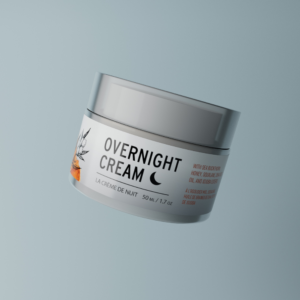
Unlike daytime moisturizers, which often include SPF and are designed for protection, overnight creams are formulated to support regeneration. These creams are typically richer and more emollient. They penetrate deeper layers of the skin, delivering targeted nutrients when your skin is most responsive.
Benefits of Adding an Overnight Cream to Your Routine
Deep Hydration
Night creams contain ingredients like hyaluronic acid, ceramides, and glycerin, which help bind water to the skin. This helps combat trans-epidermal water loss, a natural occurrence during sleep that can leave skin dehydrated and tight by morning.
Enhancing the Skin Barrier
A damaged skin barrier leads to increased sensitivity, redness, and dryness. Many overnight creams include ingredients that help strengthen the barrier, such as niacinamide, peptides, and fatty acids. A robust barrier improves moisture retention and protects against irritation.
Encouraging Cell Turnover
Active ingredients like retinol, glycolic acid, and lactic acid are often found in overnight products. These components encourage the shedding of dead skin cells, revealing a smoother texture and more even skin tone over time. Using these ingredients at night reduces sun sensitivity, making them safer and more effective.
Choosing the Right Overnight Cream
Match the Cream to Your Skin Type
- Oily or Acne-Prone Skin
Choose a non-comedogenic overnight cream with lightweight, gel-based formulas. Look for ingredients like salicylic acid, niacinamide, or green tea extract to help manage oil production without clogging pores. - Dry Skin
Opt for thicker creams rich in ceramides, squalane, or shea butter. These provide an occlusive barrier to seal in moisture and soothe dryness. - Sensitive Skin
Use fragrance-free creams with calming agents such as chamomile, allantoin, or panthenol. Avoid strong actives like retinoids unless advised by a dermatologist. - Mature Skin
Anti-aging ingredients such as peptides, retinol, and antioxidants like vitamin C or E can help reduce fine lines and improve skin elasticity when applied overnight.
Consider Seasonal Changes
Your skin’s needs may change with the seasons. In winter, switch to more nourishing formulas to combat dryness. In summer, a lighter overnight cream may be sufficient to maintain balance without heaviness.
How to Incorporate Overnight Cream Into Your Routine
Basic Nightly Skincare Steps
- Cleanser
Start by removing makeup, dirt, and sunscreen with a gentle cleanser suited to your skin type. - Toner or Essence
Optional, but helpful in prepping the skin and providing additional hydration. - Serum
Apply any treatment serums that address your specific concerns, such as dark spots, wrinkles, or acne. - Overnight Cream
Lock everything in with an overnight cream. Apply it as the final step to allow active ingredients to penetrate while creating a protective barrier.
Layering Tips
When layering products, apply from the thinnest to the thickest consistency. This ensures each product can absorb properly and deliver its benefits effectively.
When to Expect Results from Night Cream Use
Short-Term Benefits
Within the first week, you may notice improved hydration and a smoother texture. Your skin should feel more supple and less irritated by morning.
Long-Term Improvements
Consistent use over several weeks leads to more pronounced results: reduced fine lines, improved tone, and better resilience against environmental stressors. However, the timeline may vary depending on the ingredients used and individual skin concerns.
Caring for Your Skin While You Sleep
Sleep quality itself plays a significant role in skin health. Aim for 7–9 hours of sleep per night, avoid sleeping on your face, and regularly change pillowcases to minimize irritation and contamination. Paired with a suitable overnight cream, these habits enhance the effectiveness of your nightly skincare routine.
Conclusion
The nightly skincare routine: why use an overnight cream becomes clear when you understand the skin’s nighttime repair process. Overnight creams are tailored to work in harmony with your body’s natural rhythm, delivering moisture, promoting cell turnover, and improving overall skin health. Whether you’re targeting dryness, aging, or dullness, the right overnight cream can make a visible difference.
Integrating one into your evening routine is more than just a luxury—it’s a necessary step for maintaining and improving your skin’s appearance over time.