
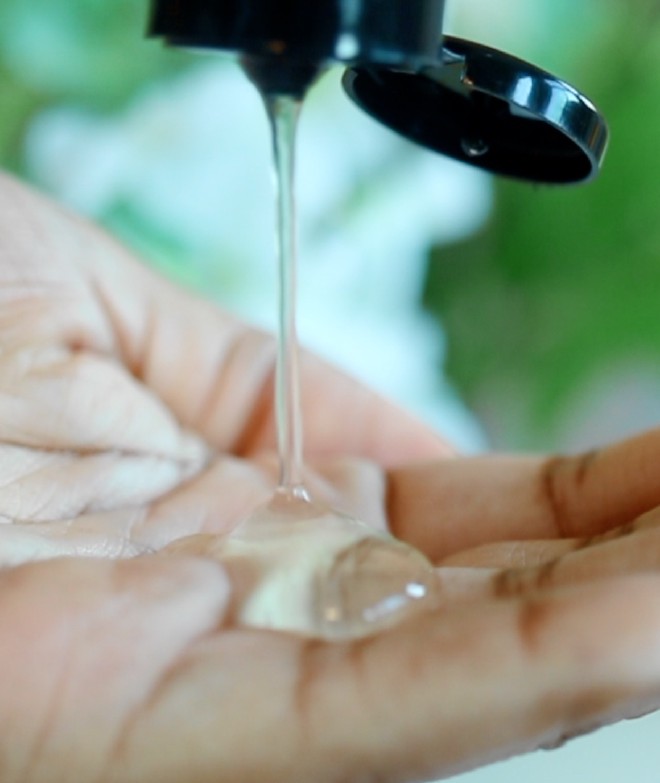
Shampoo is an important part of regular hair care because it helps remove oil, sweat, dirt, and product residue from the scalp and hair. Among the different shampoo formats available, liquid shampoo remains a common choice because it is easy to apply, distribute, and rinse.
If you have wondered, ‘What Is Liquid Shampoo, and How Does It Benefit Your Hair?’ the answer depends partly on its formulation and how well it matches your scalp and hair type. Liquid shampoos combine cleansing ingredients with water and may also contain conditioning agents, moisturising ingredients, fragrances, and other components designed for specific hair needs.
Understanding how liquid shampoo works can help you choose a suitable formula and use it correctly as part of your regular hair care routine.
What Is Liquid Shampoo?
Liquid shampoo is a water-based cleansing product formulated specifically for the scalp and hair. Its main purpose is to remove excess sebum, environmental dirt, sweat, dead skin cells, and residue left by styling products.
Most liquid shampoos contain cleansing agents known as surfactants. These ingredients help water mix with oil and dirt so they can be rinsed away more easily.
The exact formula varies between products. Some shampoos focus primarily on cleansing, while others include ingredients intended to improve softness, manageability, or moisture retention.
How Does Liquid Shampoo Work?
When shampoo is mixed with water and massaged into the scalp, its cleansing agents interact with oils and accumulated residue. Rinsing then carries much of this material away from the scalp and hair.
Foam can help spread shampoo across the scalp, but the amount of lather does not necessarily indicate how effectively a shampoo cleans. The formulation and correct application are more important than the amount of foam produced.
What Are the Benefits of Liquid Shampoo?
Liquid shampoo offers several practical benefits when it is selected according to individual hair and scalp requirements.
One of its main advantages is convenient application. Its consistency makes it easy to spread across wet hair and massage into the scalp. It can also be measured according to hair length and density.
Removes Excess Oil and Dirt
The scalp naturally produces sebum, an oil that helps protect the skin and hair. However, excess oil can combine with sweat, dust, and product residue, leaving the hair feeling heavy or greasy.
Regular shampooing helps remove this buildup. How often you need to wash your hair depends on factors such as scalp oil production, hair texture, lifestyle, and the products you use.
Helps Remove Styling Product Buildup
Hair sprays, gels, creams, serums, and other styling products may gradually accumulate on the hair and scalp.
A suitable liquid shampoo can help remove this residue during washing. People who regularly use styling products may need a different cleansing routine from those who use few or no additional hair products.
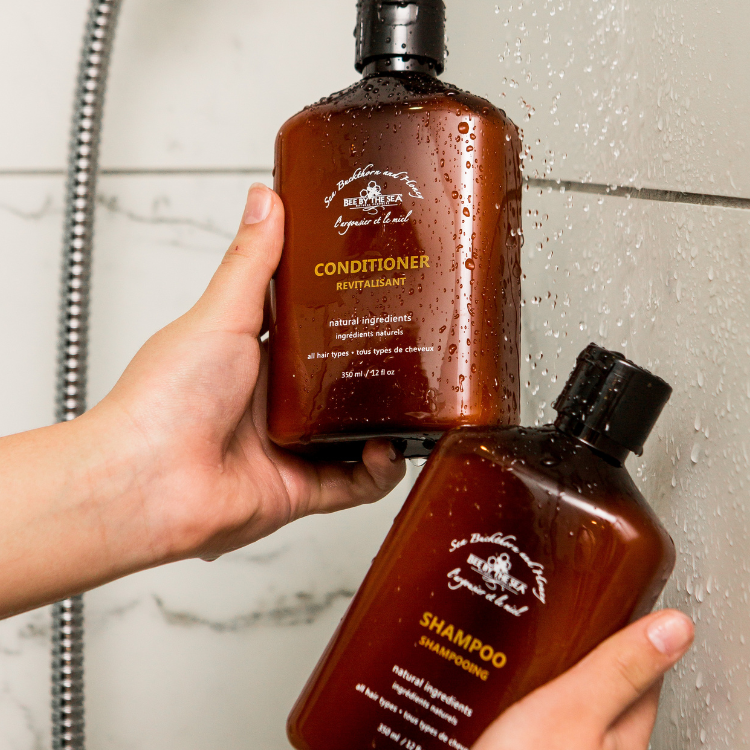
Different Liquid Shampoos for Different Hair Types
Not every liquid shampoo is appropriate for every person. Hair texture, scalp condition, oil production, chemical treatments, and styling habits should all be considered.
Shampoo for Oily Hair
People with an oily scalp may prefer a shampoo designed to remove excess sebum without leaving substantial conditioning residue near the roots.
Washing frequency also matters. Some people with oily scalps may need to shampoo more frequently than those with dry or textured hair.
Shampoo for Dry Hair
Dry hair generally benefits from gentler cleansing formulas that contain conditioning or moisturising ingredients.
Over-cleansing may leave already dry hair feeling rough or difficult to manage. Concentrating shampoo primarily on the scalp rather than repeatedly rubbing the lengths and ends can help reduce unnecessary cleansing of drier sections.
Shampoo for Colour-Treated Hair
Colour-treated or chemically processed hair may require formulas designed for treated hair. These shampoos generally aim to cleanse while taking the condition of processed hair into account.
Following the care recommendations associated with a specific hair treatment can also help maintain its appearance.
Ingredients to Consider in Liquid Shampoo
Reading the ingredient list can provide useful information about a shampoo’s formulation.
Surfactants are responsible for much of the cleansing action. Conditioning agents may help improve manageability, while ingredients such as glycerin can support moisture retention in certain formulations.
Some shampoos also contain botanical extracts, proteins, silicones, oils, or fragrance. The presence of a particular ingredient does not automatically mean that a shampoo will suit everyone. The complete formulation and individual response are more important.
Consider Your Scalp as Well as Your Hair
Shampoo is applied directly to the scalp, so scalp needs should be considered alongside hair type.
If a product repeatedly causes noticeable irritation, itching, dryness, or discomfort, discontinue use and consider discussing persistent scalp concerns with a dermatologist or other qualified healthcare professional.
How to Use Liquid Shampoo Properly
Start by thoroughly wetting your hair with water. Apply an appropriate amount of shampoo and concentrate it mainly on the scalp.
Massage gently with your fingertips rather than scratching with your nails. As you rinse, the shampoo will travel through the lengths of the hair, which is often sufficient for routine cleansing.
Rinse thoroughly to remove shampoo residue. Conditioner can then be applied where needed, usually focusing on the mid-lengths and ends rather than the scalp unless the product instructions recommend otherwise.
Avoid Using More Shampoo Than Necessary
Using a large quantity does not always result in cleaner hair. The amount required depends on the shampoo formulation, hair length, thickness, and level of buildup.
Following the manufacturer’s instructions is a practical starting point.
How Often Should You Use Liquid Shampoo?
There is no single washing schedule that works for everyone.
People with oily scalps, frequent exercise routines, or regular styling product use may wash more often. Those with dry, curly, or textured hair may prefer less frequent shampooing.
Pay attention to how your scalp and hair respond and adjust the routine when necessary.
Final Thoughts
Understanding What Is Liquid Shampoo and How Does It Benefit Your Hair? can make it easier to build a practical hair care routine. Liquid shampoo primarily cleans the scalp and hair by removing excess oil, dirt, sweat, and product buildup.
The right choice depends on your scalp condition, hair texture, treatments, and daily habits. By selecting an appropriate formula, using a suitable amount, and washing according to your individual needs, liquid shampoo can support regular scalp hygiene while helping hair remain clean and manageable.