
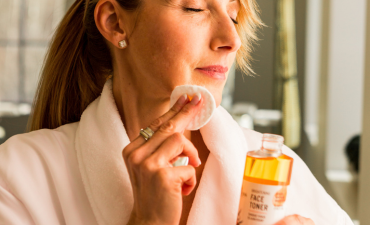
A toner is one of the most useful steps in a skincare routine, but many people are unsure about how and when to apply it. Some use it only after cleansing, while others layer it with serums, moisturizers, and sunscreen. When used correctly, toner can help prepare the skin for the next steps and support better product absorption.
Understanding How to layer a toner for Face in your skincare routine can help you get better results from your daily skincare products. The right method depends on your skin type, the toner formula, and the other products you use. A toner should not feel harsh or drying. Instead, it should support your skin’s needs and fit smoothly into your routine.
What Is a Face Toner?
A face toner is a lightweight liquid skincare product used after cleansing. It helps remove any remaining dirt, sweat, or cleanser residue from the skin. Depending on the formula, it may also hydrate, refresh, soothe, or gently exfoliate the skin.
Earlier, many toners were alcohol-based and often made the skin feel dry. Today, many toners are made with hydrating, calming, and skin-supporting ingredients. Some are designed for dry skin, while others are made for oily, combination, sensitive, or acne-prone skin.
Why Toner Matters in a Skincare Routine
Toner works as a bridge between cleansing and treatment products. After washing your face, your skin may feel clean but slightly dry or unbalanced. A toner can help restore comfort and prepare the skin for serums and moisturisers.
A well-formulated toner may help:
- Refresh the skin after cleansing
- Add a light layer of hydration
- Support smoother product application
- Calm the skin
- Help manage excess oil
- Prepare the skin for serums and moisturisers
However, toner is not a replacement for cleansing, moisturising, or sun protection. It is a supporting step that can improve the overall flow of your skincare routine.
When Should You Apply Toner?
Toner should usually be applied after cleansing and before serum or moisturiser. This is because toner has a thin texture and is meant to be used on clean skin. The general skincare order is:
Cleanser → Toner → Serum → Moisturiser → Sunscreen
At night, sunscreen is not needed, so the routine can end with moisturiser or a night cream. If you use treatment products such as retinol, exfoliating acids, or acne treatments, apply them after toner unless the product instructions say otherwise.
How to Layer a Toner for Face in Your Skincare Routine
To layer toner correctly, start with a clean face. After cleansing, gently pat your skin with a towel. Your skin can be slightly damp, but it should not be dripping wet. Then apply toner using your palms or a cotton pad.
Step 1: Cleanse Your Face
Begin with a gentle cleanser suitable for your skin type. Cleansing removes dirt, oil, sunscreen, makeup, and pollution from the skin surface. Avoid using very harsh cleansers, as they can make the skin feel tight or uncomfortable.
Step 2: Apply Toner Gently
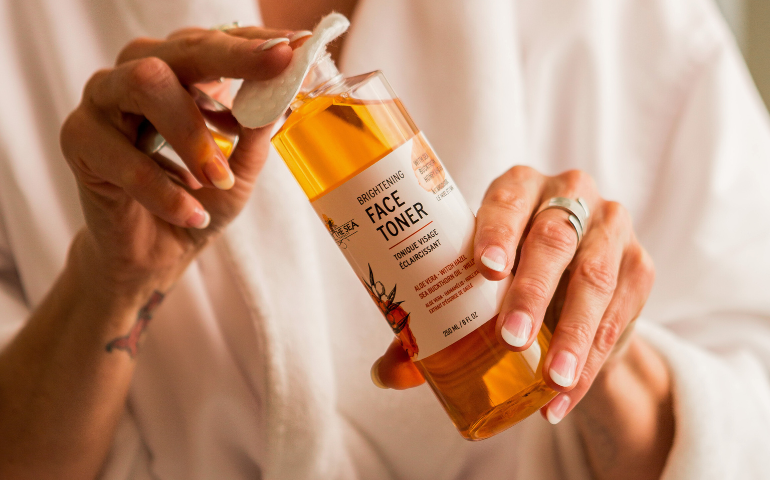
Pour a small amount of toner onto your palm or a cotton pad. If you use your hands, press the toner gently into your face. If you use a cotton pad, swipe it lightly across the skin without rubbing hard.
Focus on areas that need attention, such as the forehead, nose, and chin if you have oily skin. For dry or sensitive skin, pressing toner with your palms may feel more comfortable.
Step 3: Let It Absorb
Allow the toner to absorb for a few seconds before applying the next product. You do not need to wait for a long time. The skin can still feel slightly damp when you apply serum or moisturiser. This can help seal in hydration.
Step 4: Apply Serum
After toner, apply your serum. Choose a serum based on your skin concern. For example, hydrating serums may support dry skin, while niacinamide-based serums may help with oil balance and uneven tone.
Step 5: Lock It With Moisturiser
Moisturiser helps seal the previous layers and supports the skin barrier. Even oily skin needs moisturiser, but the texture can vary. Gel-based moisturisers may suit oily skin, while cream-based formulas may suit dry skin.
Step 6: Use Sunscreen in the Morning
If you are following a morning routine, always finish with sunscreen. Toner and serum can support skin health, but sunscreen helps protect the skin from sun exposure.
Can You Apply Multiple Layers of Toner?
Yes, you can apply more than one layer of toner, especially if it is a hydrating toner. This method is often used by people with dry or dehydrated skin. Apply one thin layer, let it absorb slightly, and then apply another layer if needed.
However, avoid layering strong exfoliating toners multiple times. Toners with acids such as glycolic acid, lactic acid, or salicylic acid should be used carefully. Overuse can cause dryness, irritation, or sensitivity.
Choosing the Right Toner for Your Skin Type
The right toner depends on your skin needs. For dry skin, choose a hydrating toner with ingredients such as glycerin, hyaluronic acid, or aloe vera. For oily skin, a lightweight toner with niacinamide or green tea may be useful. For sensitive skin, choose alcohol-free and fragrance-free formulas.
For acne-prone skin, toners with salicylic acid may help, but they should not be overused. Start slowly and observe how your skin responds.
Common Mistakes to Avoid
One common mistake is using a toner that feels harsh or causes burning. A slight fresh feeling is normal, but strong stinging is not ideal. Another mistake is skipping moisturiser after toner. Toner alone may not provide enough hydration for the skin.
Also, avoid using too many active products in one routine. For example, combining exfoliating toner, retinol, and strong acne treatments may irritate the skin. Keep your routine simple and consistent.
Morning and Night Toner Routine
In the morning, toner can be used after cleansing and before serum, moisturiser, and sunscreen. At night, toner can be used after cleansing and before treatment products or moisturiser.
If you use an exfoliating toner, it may be better to use it at night and only a few times a week. Hydrating toners can usually be used daily, depending on your skin tolerance.
Conclusion
Learning how to layer a toner for your face in your skincare routine can help you use your skincare products in the right order. Toner should be applied after cleansing and before serum or moisturiser. It can refresh the skin, add light hydration, and prepare the face for the next steps.
The key is to choose a toner that suits your skin type and use it gently. A good routine does not need to be complicated. With the right toner, proper layering, and consistent use, your skincare routine can feel more balanced and effective.