

Face wash is one of the most commonly used skincare products in a daily routine. It helps clean the face by removing dirt, excess oil, sweat, pollution, and product buildup from the skin surface. A clean face supports better skin hygiene and helps prepare the skin for moisturizers, sunscreen, or other skincare products.
Many people use soap on their face, but facial skin is usually more delicate than the skin on the body. A face wash is generally designed with ingredients that suit facial skin better than regular body soap. Choosing the right face wash can help maintain a fresh, clean, and balanced skin feel without making the skin too dry or uncomfortable.
In this guide, we will understand What face wash is. Explore Types, Benefits, and Selection Tips in a simple and practical way so you can make a better skincare choice.
What is Face Wash?
Face wash is a cleansing product made specifically for the face. Its main purpose is to remove impurities from the skin. These impurities may include dust, oil, sweat, pollution particles, sunscreen, light makeup, and dead skin cell buildup.
Most face washes come in gel, cream, foam, or liquid form. They are usually applied to wet skin, gently massaged for a few seconds, and then rinsed off with water. A good face wash should clean the skin without leaving it feeling overly tight, rough, or irritated.
Face wash is usually used once or twice a day, depending on skin type, weather, lifestyle, and exposure to dirt or pollution. For example, people with oily skin may prefer washing twice daily, while people with dry or sensitive skin may need a milder routine.
Why is Face Wash Important in Skincare?
The skin naturally produces oil, also called sebum. While sebum helps protect the skin, too much oil can attract dirt and make the skin look greasy. Sweat, pollution, and daily exposure to the environment can also settle on the skin.
If the face is not cleaned properly, pores may become clogged, which can contribute to blackheads, whiteheads, dullness, or breakouts. Face wash helps reduce this buildup and keeps the skin feeling clean.
It also improves the effectiveness of other skincare products. When the skin is clean, moisturizers, serums, and sunscreen can be applied more evenly.
Common Types of Face Wash
Different skin types need different cleansing formulas. Understanding the common types of face wash can help you select one that matches your skin needs.
Gel Face Wash
Gel face wash has a lightweight texture and is commonly preferred by people with oily or combination skin. It can help remove excess oil and leave the skin feeling fresh. Some gel cleansers may also contain ingredients that support acne-prone skin.
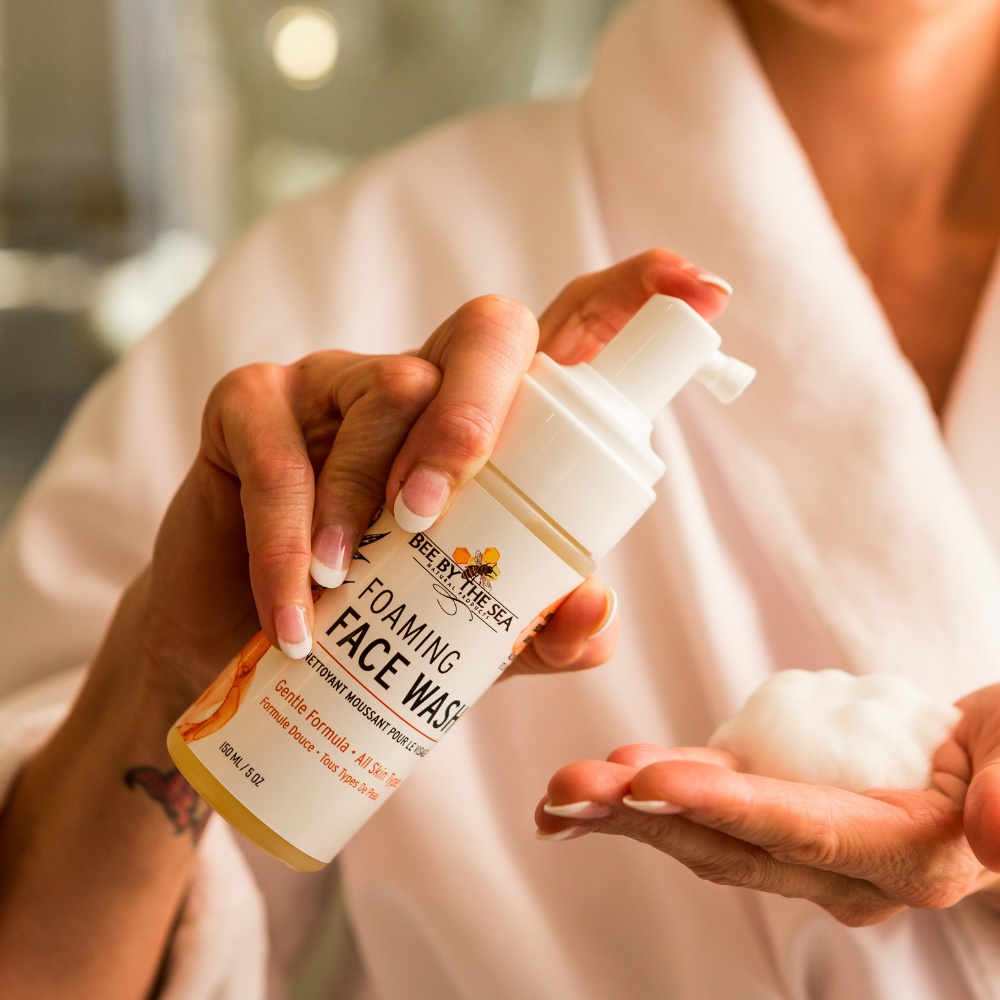
Foam Face Wash
Foam face wash creates a lather when applied to wet skin. It is often used by people who want a deep cleansing feel. However, some foaming cleansers may feel drying, especially for dry or sensitive skin. It is better to choose a gentle formula if your skin feels tight after washing.
Cream Face Wash
Cream face wash has a softer, richer texture. It is usually suitable for dry, normal, or sensitive skin. It cleans the face while helping the skin feel comfortable. People with dry skin often prefer cream-based cleansers because they are less likely to strip natural oils.
Exfoliating Face Wash
Exfoliating face wash contains mild particles or chemical exfoliating ingredients that help remove dead skin cells. It may help improve skin texture and reduce dullness. However, it should not be used too frequently, as over-exfoliation can cause dryness or irritation.
Face Wash for Acne-Prone Skin
Some face washes are made for acne-prone skin and may include ingredients such as salicylic acid, tea tree extract, or other oil-control components. These cleansers may help reduce excess oil and keep pores clean. However, people with persistent acne should consider professional skincare advice.
Benefits of Using Face Wash
Using the right face wash regularly can support better skin hygiene and appearance.
Removes Dirt and Pollution
Face wash helps remove daily dirt, dust, and pollution that settle on the skin. This is especially useful for people who travel often or spend time outdoors.
Controls Excess Oil
For oily skin, face wash can help reduce greasiness and make the skin feel cleaner. A suitable cleanser can manage oil without making the skin too dry.
Helps Prevent Clogged Pores
When oil, sweat, and dead skin cells build up, pores may become clogged. Cleansing the face helps reduce this buildup and keeps the skin surface clearer.
Supports Fresh-Looking Skin
A clean face often looks more refreshed. Regular cleansing can help reduce dullness caused by sweat, oil, and environmental impurities.
Prepares Skin for Other Products
Face wash prepares the skin for the next steps in skincare. Moisturizer, sunscreen, or treatment products can work better when applied to clean skin.
How to Choose the Right Face Wash
Selecting the right face wash depends mainly on your skin type and daily needs.
For Oily Skin
Choose a gel or foaming face wash that helps remove excess oil. Look for non-comedogenic formulas that do not clog pores. Avoid very harsh cleansers, as they can make the skin produce more oil.
For Dry Skin
A cream-based or hydrating face wash may be more suitable. Look for ingredients such as glycerin, aloe vera, or ceramides. Avoid cleansers that leave the skin feeling tight or flaky.
For Sensitive Skin
Use a mild, fragrance-free face wash. Sensitive skin can react to strong fragrance, harsh exfoliants, or alcohol-based formulas. A gentle cleanser is usually a safer choice.
For Combination Skin
Combination skin has both oily and dry areas. A mild gel cleanser can work well because it cleans the skin without being too heavy or too drying.
For Acne-Prone Skin
Choose a face wash made for acne-prone skin, but avoid over-cleansing. Washing too often can irritate the skin and worsen dryness or redness.
How to Use Face Wash Properly
Using face wash correctly is as important as choosing the right product. Start by wetting your face with normal or lukewarm water. Take a small amount of face wash and gently massage it over your face using circular motions. Avoid rubbing too hard, especially around the eyes. Rinse thoroughly and pat your face dry with a clean towel.
After cleansing, apply a suitable moisturizer. During the day, follow with sunscreen to protect your skin from sun exposure.
Common Mistakes to Avoid
Many people wash their face too often, thinking it will keep the skin cleaner. However, over-cleansing can disturb the skin barrier and cause dryness. Another common mistake is using body soap on the face, which may be too harsh for facial skin.
Using hot water is also not ideal, as it can make the skin feel dry. It is better to use lukewarm or normal water. Also, avoid changing products too frequently. Give your skin time to adjust before deciding whether a face wash suits you.
Conclusion
Face wash is a basic but important part of skincare. It helps remove dirt, oil, sweat, and pollution from the face while supporting a clean and fresh skin feel. However, the best results come from choosing a face wash that matches your skin type.
Whether you have oily, dry, sensitive, combination, or acne-prone skin, the right cleanser can make your skincare routine more comfortable and effective. A simple routine with proper cleansing, moisturizing, and sun protection can help maintain healthier-looking skin over time.