

Face masks can be a useful addition to a regular skincare routine when selected according to skin type and used correctly. Among the many combinations available, clay and honey are commonly used together because they offer different skincare properties. Clay can help remove excess surface oil and impurities, while honey can help support moisture and leave the skin feeling soft.
This Clay & Honey Detox Mask Guide for Your Skincare Routine explains how this type of mask works, how to apply it properly, how often it may be used, and what precautions to consider. Understanding these factors can help you include a clay and honey mask in your routine without unnecessarily drying or irritating your skin.
What Is a Clay and Honey Detox Mask?
A clay and honey mask combines mineral-based clay with honey to create a facial treatment that can help cleanse the skin while supporting moisture.
Different types of clay may be used in facial masks, including kaolin and bentonite. Clay generally absorbs oil from the skin’s surface, which can make it useful for people who experience excess oil or shine.
Honey, on the other hand, is a humectant, meaning it helps attract and retain moisture. Combining these ingredients can help balance the drying effect that some clay masks may have.
What Does a Clay Mask Do for the Skin?
Clay masks primarily work by absorbing excess sebum and removing surface debris. When the mask is rinsed away, accumulated oil, dirt, and other material on the skin’s surface are removed with it.
People with oily or combination skin may find clay particularly useful around areas such as the forehead, nose, and chin. However, clay does not permanently reduce oil production or replace daily cleansing.
Why Is Honey Added to a Clay Mask?
Honey can provide moisture while improving the texture and spreadability of a clay mask. Its humectant properties help draw moisture toward the skin, which may reduce the tight feeling sometimes associated with clay-based products.
Honey also contains naturally occurring compounds that have been studied for their antimicrobial and soothing properties. However, a cosmetic honey mask should not be treated as a substitute for medical treatment for acne, infections, or other skin conditions.
Can Clay and Honey Work Together?
Clay and honey can complement each other when formulated appropriately. Clay focuses primarily on absorbing excess oil, while honey helps maintain moisture.
This combination may be particularly useful for people who want the cleansing effect of a clay mask but find traditional clay-only formulas too drying.
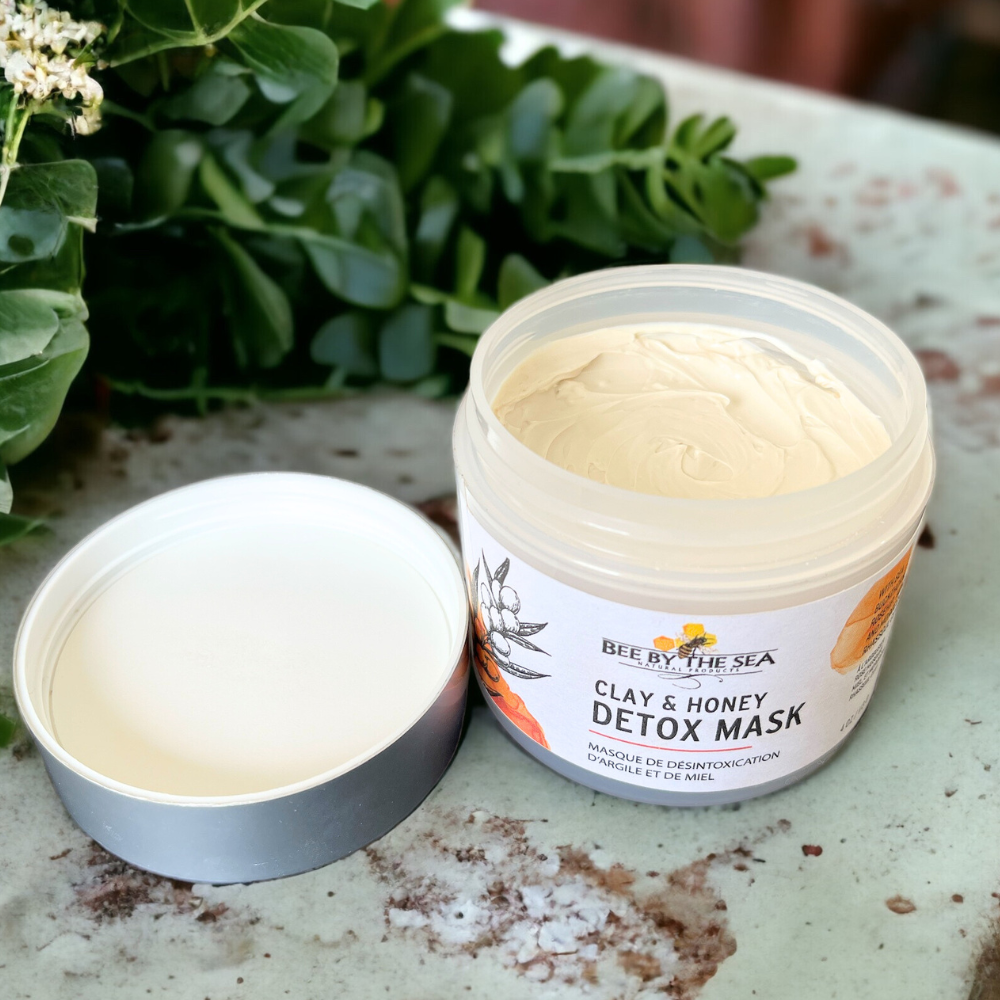
How to Use a Clay and Honey Detox Mask
Proper application can help you use a face mask without placing unnecessary stress on the skin.
Begin by cleansing your face with a gentle cleanser. This removes makeup, sunscreen, excess oil, and surface dirt before applying the mask.
Pat your skin dry and apply an even layer of the mask, avoiding the immediate eye area and lips. Follow the recommended application time provided with the product rather than leaving the mask on for an extended period.
Should You Let a Clay Mask Dry Completely?
A clay mask does not necessarily need to become completely dry and cracked before removal. Allowing clay to remain on the skin for too long may cause excessive dryness, tightness, or irritation.
Once the recommended time has passed, rinse the mask away gently using lukewarm water. Avoid aggressive scrubbing while removing it.
After rinsing, pat your face dry with a clean towel.
What Should You Apply After the Mask?
After using a clay and honey mask, focus on hydration.
A gentle moisturiser can help support the skin barrier and reduce dryness after cleansing and masking. Depending on your routine, you may also use a hydrating serum before moisturising.
If you use the mask during the daytime, finish your routine with a broad-spectrum sunscreen. Sunscreen remains an important part of daily skincare regardless of whether a face mask is used.
How Often Should You Use a Clay and Honey Mask?
Frequency depends on your skin type, the product formulation, and the other products in your skincare routine.
People with oily skin may tolerate clay masks more frequently than those with dry or sensitive skin. For many people, once or twice a week may be sufficient, although the directions provided with the specific product should take priority.
Avoid Overusing Clay Masks
Using a clay mask too frequently can remove more surface oil than necessary. This may leave the skin feeling dry, tight, or uncomfortable.
If you already use exfoliating acids, retinoids, benzoyl peroxide, or other potentially irritating skincare ingredients, consider using them at different times from your clay mask.
Who Should Be Careful With Clay and Honey Masks?
Not every skincare product is appropriate for every person.
People with very dry, sensitive, irritated, or compromised skin should be cautious when introducing clay-based masks. Anyone with a known allergy to honey, bee-derived ingredients, or another ingredient in the formula should avoid products containing those substances.
Patch testing a new skincare product on a small area can help identify possible irritation before applying it across the entire face.
If you experience persistent redness, swelling, burning, itching, or discomfort, rinse the product off and discontinue use.
How to Include the Mask in Your Skincare Routine
A face mask should complement the basic steps of skincare rather than replace them.
Daily cleansing, moisturising, and sun protection generally form the foundation of a skincare routine. A clay and honey mask can then be used occasionally when you want additional cleansing or oil management.
Try to avoid introducing several new products at the same time. Adding products individually makes it easier to determine how your skin responds.
Final Thoughts
The Clay & Honey Detox Mask Guide for Your Skincare Routine provides a practical way to understand where this type of product may fit into regular skincare. Clay can help absorb excess surface oil, while honey can contribute moisture and help counter some of the dryness associated with clay.
For effective use, apply the mask to clean skin, follow the recommended application time, rinse gently, and moisturise afterward. Most importantly, consider your individual skin type and avoid overuse. A clay and honey mask can be a useful supplementary step when it is incorporated thoughtfully into a simple, consistent skincare routine.