
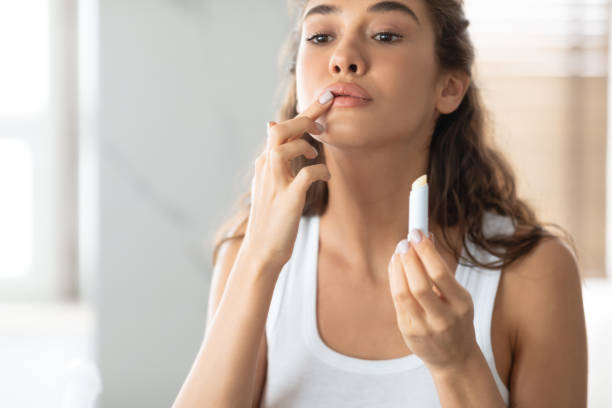
Lips are one of the most delicate areas of the face, yet they are often overlooked in daily sun protection routines. Unlike other skin areas, lips do not contain oil glands, making them more vulnerable to dryness, chapping, and long-term sun damage. Over time, unprotected sun exposure can lead to discomfort, premature aging, and even serious conditions like actinic cheilitis or skin cancer.
This guide covers why lip protection is important, how sun damage occurs, and practical ways to keep your lips healthy and safe under the sun.
Why Lips Are Vulnerable to Sun Damage
Lips have a unique structure that makes them more sensitive to sunlight:
- Thinner Skin: The skin on the lips is far thinner than on the rest of the body, which allows UV rays to penetrate more easily.
- Lack of Melanin: Melanin is the pigment that provides some natural protection against UV damage. Lips contain very little melanin, leaving them more exposed to harm.
- No Oil Glands: Without oil glands, lips cannot naturally moisturize themselves, increasing the risk of dryness and cracking under the sun.
The Effects of Sun Damage on Lips
Consistent exposure to sunlight without protection can cause visible and long-term effects. Some common issues include:
1. Chapping and Dryness
UV rays can dehydrate the skin on your lips, leaving them cracked, flaky, and sore.
2. Sunburn
Just like other skin areas, lips can burn. Sunburned lips may appear red, swollen, and sensitive to touch.
3. Premature Aging
Chronic sun exposure can cause fine lines, loss of volume, and a dull appearance over time.
4. Actinic Cheilitis
A precancerous condition often caused by prolonged UV exposure, leading to persistent dryness, scaling, or discoloration of the lips.
5. Increased Skin Cancer Risk
The lower lip, in particular, is at higher risk of developing squamous cell carcinoma due to sun exposure.

How to Protect Your Lips from Sun Damage
- Use a Lip Balm with SPF
Choose a broad-spectrum lip balm with SPF 30 or higher to shield against both UVA and UVB rays. Reapply every two hours, or more frequently if eating, drinking, or swimming.
Tip: Look for products labeled water-resistant for outdoor activities.
- Wear a Wide-Brimmed Hat
Physical barriers are effective in blocking direct sunlight. A wide-brimmed hat can shade not only your lips but also your face and neck.
- Avoid Peak Sun Hours
UV rays are strongest between 10 a.m. and 4 p.m. Limiting exposure during these hours reduces the risk of damage.
- Stay Hydrated
Drinking water throughout the day keeps your body and lips hydrated, preventing dryness that can make lips more vulnerable.
- Exfoliate Gently
Regular, gentle exfoliation helps remove dead skin cells, allowing SPF products to adhere better. Avoid harsh scrubs that can cause irritation.
- Apply SPF Before Lipstick
If you wear lipstick, apply a protective lip balm with SPF underneath. Some tinted lip balms also offer sun protection for convenience.
Myths About Lip Sun Protection
Myth 1: Lipstick Alone Protects Against the Sun
While darker, opaque lipsticks may offer minimal protection, most lipsticks without SPF are not sufficient for sun safety.
Myth 2: Only Fair Skin Needs Lip Sun Protection
People of all skin tones can experience sun damage on their lips due to low melanin levels in this area.
Myth 3: Sun Protection Is Only for Summer
UV rays are present year-round, even on cloudy days or in winter, so lip SPF should be a daily habit.
Caring for Sunburned Lips
If your lips do get sunburned, prompt care can speed recovery:
- Cool Compress: Apply a clean, cool cloth to soothe discomfort.
- Moisturize with SPF Balm: Hydration helps repair the skin while also preventing further sun damage.
- Avoid Picking: Let peeling skin shed naturally to prevent scarring.
- Stay Out of the Sun: Allow lips to heal before prolonged exposure again.
Lifestyle Habits That Support Lip Health
- Balanced Diet: Foods rich in vitamins C and E can help repair and maintain healthy skin tissue.
- Avoid Smoking: Smoking accelerates lip aging and can increase cancer risk.
- Regular Lip Checks: Monitor for persistent dryness, sores, or discoloration, and seek professional advice if anything unusual appears.
When to Seek Medical Attention
If you notice any persistent sores, scaling patches, or unusual changes in lip color or texture, consult a dermatologist. Early detection of actinic cheilitis or skin cancer greatly improves treatment outcomes.
Conclusion
Taking steps to protect your lips from sun damage is essential for maintaining their health, appearance, and comfort. Daily use of SPF lip balm, combined with other protective measures like wearing hats and avoiding peak sun hours, can significantly reduce the risk of sunburn, premature aging, and serious conditions. By making sun protection for your lips part of your everyday routine, you safeguard both your smile and your overall skin health.