

Dry skin is one of the most common skincare concerns, and it can affect people across different ages and climates. From flakiness and tightness to dullness and irritation, dry skin not only looks tired but also feels uncomfortable. While moisturizers and creams are often the first solution, many people are now turning to nourishing face oils for deeper hydration and long-term results.
Understanding Dry Skin
Before looking at solutions, it’s important to understand what causes dry skin.
- Lack of Natural Oils: The skin produces sebum to keep itself hydrated. When sebum production is low, the skin loses moisture quickly.
- Environmental Factors: Cold weather, low humidity, and exposure to harsh winds can strip the skin of its protective barrier.
- Over-Cleansing: Using harsh cleansers or washing too often can weaken the natural lipid layer.
- Aging: As we age, the skin naturally loses collagen and elasticity, which reduces its ability to retain moisture.
These factors lead to rough texture, itchiness, and visible fine lines. This is where face oils come in.
What Makes Nourishing Face Oil Different?
Unlike lightweight lotions, face oils are concentrated with essential fatty acids, vitamins, and antioxidants. They mimic the skin’s natural oils, creating a protective layer that locks in hydration while allowing the skin to breathe.
Key qualities of nourishing face oils include:
- Rich in Nutrients: They are packed with vitamins such as A, C, and E.
- Barrier Protection: They strengthen the skin’s natural barrier against external damage.
- Deep Hydration: They penetrate into the skin layers for lasting moisture.
- Soothing Properties: Many oils reduce redness and irritation.
By addressing the root causes of dryness, they provide results that creams alone often cannot.
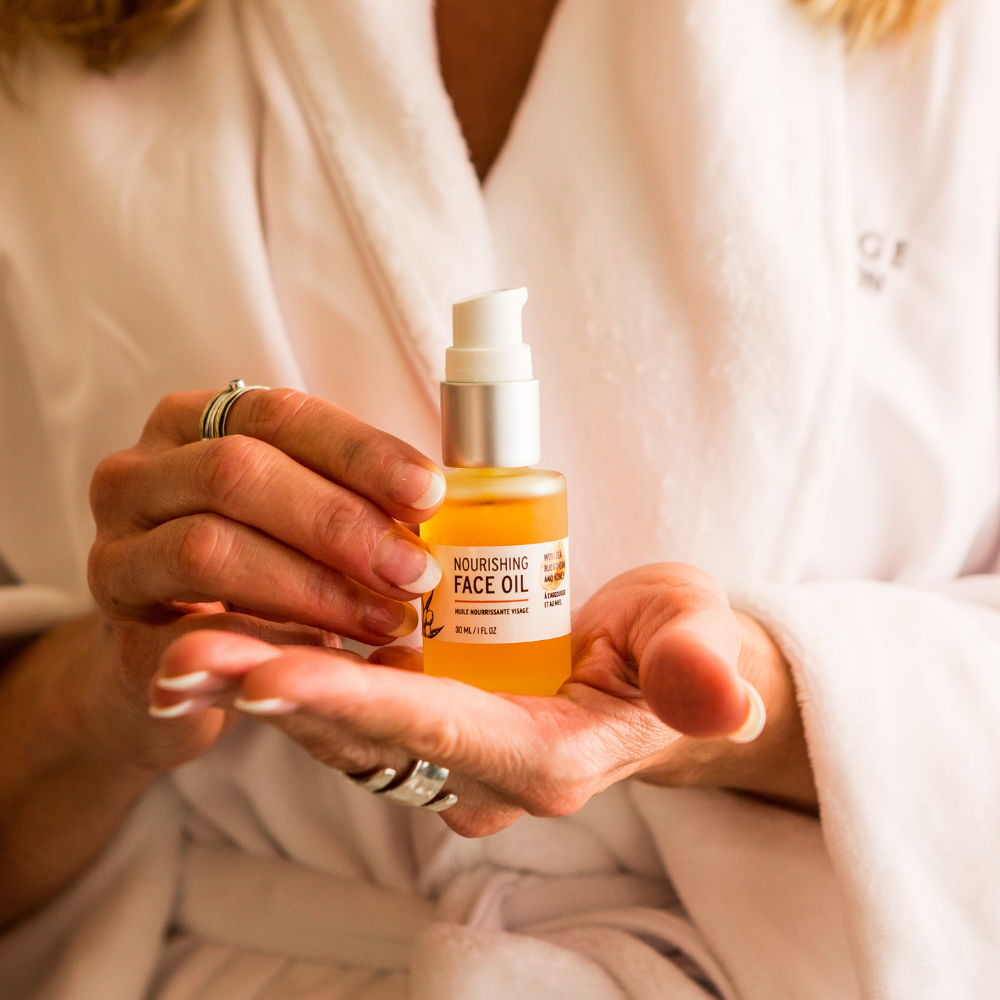
How Nourishing Face Oil Transforms Dry Skin
- Restores Hydration Balance
The biggest challenge of dry skin is its inability to hold onto water. Nourishing face oils contain fatty acids such as omega-3 and omega-6 that reinforce the skin barrier, sealing in hydration. This prevents transepidermal water loss, making the skin look plumper and feel softer.
- Improves Elasticity
Dehydrated skin often loses elasticity, leading to fine lines and sagging. Natural oils such as argan, jojoba, and rosehip are rich in antioxidants that boost collagen production. Over time, the skin regains flexibility and appears firmer.
- Smooths Rough Texture
Dry skin often develops rough patches. By delivering nutrients directly to the surface, nourishing oils soften these areas. With regular use, the skin feels smoother and more even.
- Reduces Irritation and Redness
Many nourishing oils contain anti-inflammatory compounds that calm irritation. Chamomile, marula, and calendula oils are known for soothing sensitive skin, reducing redness, and restoring comfort.
- Creates a Protective Barrier
Daily exposure to pollution, UV rays, and environmental stressors worsens dryness. Face oils create a lightweight protective layer that shields the skin while still allowing it to breathe.
Choosing the Right Face Oil
Not all face oils are the same. To experience how nourishing face oil transforms dry skin, it’s essential to choose the right type for your skin needs.
- Jojoba Oil: Closely resembles natural sebum, excellent for restoring balance.
- Argan Oil: Rich in vitamin E, great for softening rough patches.
- Rosehip Oil: Known for brightening and reducing fine lines.
- Marula Oil: Lightweight, fast-absorbing, and soothing for sensitive skin.
- Avocado Oil: Deeply hydrating, ideal for very dry or mature skin.
Common Myths About Face Oils
Myth 1: Oils Make Skin Oily
High-quality oils balance natural sebum production rather than increasing greasiness.
Myth 2: Oils Clog Pores
Non-comedogenic oils like jojoba and rosehip are lightweight and won’t block pores.
Myth 3: Creams Are Enough for Dry Skin
While creams provide surface hydration, oils penetrate deeper, offering more lasting results.
Long-Term Benefits of Using Face Oil
Regular use of nourishing face oil can transform dry skin not just temporarily, but for the long run.
- Skin remains soft and smooth throughout seasonal changes.
- Fine lines and wrinkles become less visible.
- Redness and sensitivity reduce with time.
- Overall complexion looks radiant and healthy.
Building a Routine Around Face Oils
To truly see how nourishing face oil transforms dry skin, consistency is key. A simple routine might look like this:
- Cleanser – Use a gentle, hydrating cleanser.
- Toner – Add hydration with a mild toner.
- Serum (Optional) – Target specific skin concerns.
- Moisturizer – Provide a hydration base.
- Nourishing Face Oil – Seal everything in for lasting results.
This layering method ensures your skin gets hydration, treatment, and protection in one balanced routine.
Seasonal Use of Face Oils
Dry skin often worsens in colder months, but even in summer, dehydration can occur due to sun exposure and air conditioning. Face oils can be adapted for all seasons:
- Winter: Use heavier oils like avocado or almond for deep hydration.
- Summer: Switch to lighter oils like jojoba or squalane for breathable moisture.
Final Thoughts
Dry skin requires more than just surface hydration. By reinforcing the skin’s natural barrier, boosting elasticity, and providing long-lasting moisture, nourishing face oils offer a complete solution.
When used consistently, they not only relieve discomfort but also create a healthier, more radiant complexion. This is why more people are discovering how nourishing face oil transforms dry skin into smooth, supple, and resilient skin.