

Cold weather can be harsh on the skin. Low temperatures, dry winds, and indoor heating often strip away natural moisture, leaving the face feeling tight, flaky, and irritated. During winter, regular moisturizers may not be enough to maintain skin comfort and balance. This is where a nourishing face oil for cold weather skin protection becomes an essential part of a winter skincare routine.
Face oils help strengthen the skin barrier, retain hydration, and provide lasting comfort when environmental conditions are challenging. Understanding how they work and how to use them correctly can make a noticeable difference in skin health during colder months.
Why Cold Weather Affects Facial Skin
Winter weather affects the skin in several ways. Cold air holds less humidity, which increases moisture evaporation from the skin. Wind exposure further weakens the skin barrier, while indoor heating dries the air even more.
Common Winter Skin Concerns
- Dryness and rough texture
- Redness and irritation
- Flaking and patchy areas
- Increased sensitivity
These issues occur because the skin’s natural oils are reduced, making it harder to protect itself. Using a nourishing face oil helps restore balance and protect the skin from environmental stress.
What Is a Nourishing Face Oil?
A nourishing face oil is a skincare product made from plant-based or naturally derived oils that support hydration and barrier repair. Unlike heavy creams, face oils work by sealing in moisture and providing essential fatty acids that the skin needs during cold weather.
How Face Oils Support Skin Health
- Reduce moisture loss
- Improve skin softness and elasticity
- Strengthen the skin’s protective barrier
- Calm irritation caused by dryness
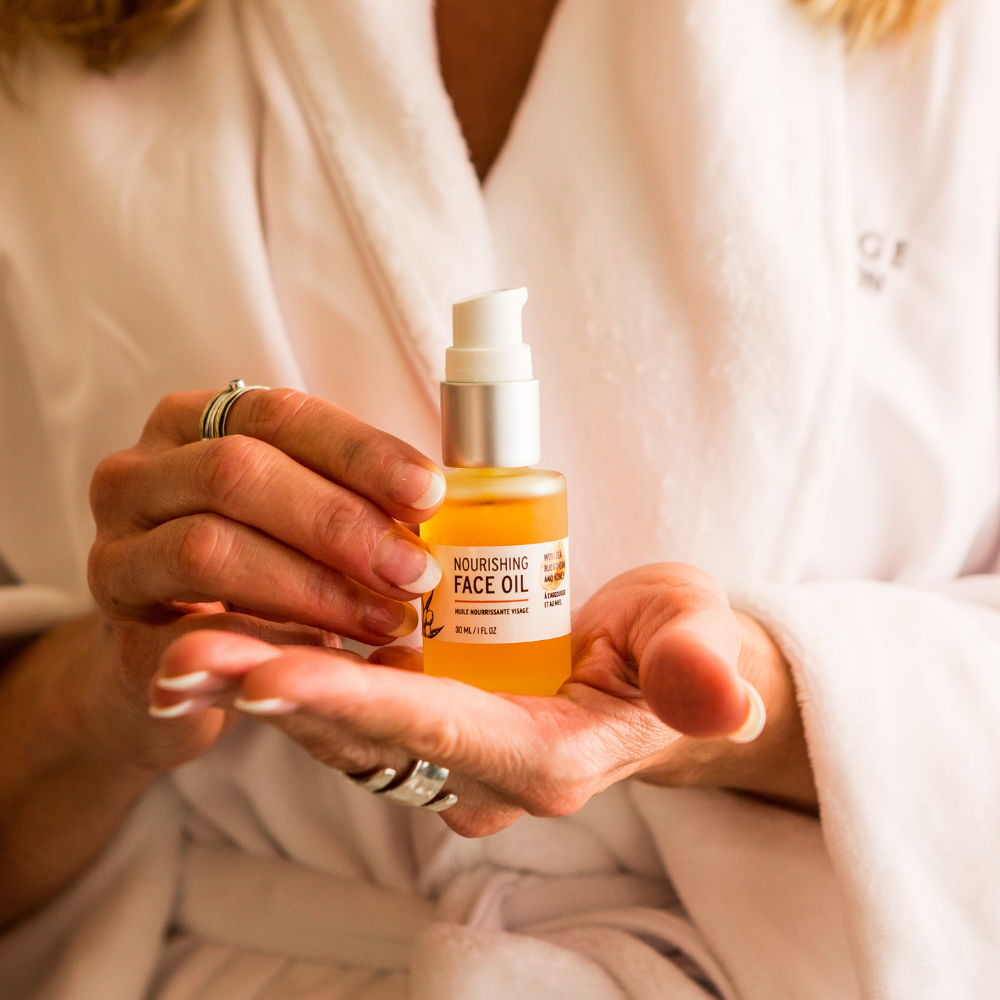
A nourishing face oil for cold weather skin protection is especially beneficial when used consistently throughout winter.
Benefits of Using Face Oil in Winter
Face oils offer several advantages over lighter skincare products during cold months.
Long-Lasting Hydration
Face oils form a protective layer on the skin that slows down water loss. This helps maintain hydration for longer periods, especially in dry indoor environments.
Improved Skin Barrier
Cold weather weakens the skin barrier, making it more prone to irritation. Nourishing oils help repair and reinforce this barrier, improving overall skin resilience.
Reduced Flakiness and Tightness
By replenishing lost lipids, face oils smooth rough patches and reduce the tight, uncomfortable feeling common in winter.
Suitable for Most Skin Types
When chosen correctly, face oils can benefit dry, normal, and even combination skin during colder seasons.
Key Ingredients to Look For
Not all face oils are the same. Choosing the right ingredients ensures better protection and nourishment.
Plant-Based Oils
- Jojoba oil supports barrier balance
- Almond oil helps soften dry skin
- Argan oil provides essential fatty acids
Antioxidant-Rich Oils
These help protect the skin from environmental stress and maintain a healthy appearance.
Lightweight Oils
For daily use, lightweight oils absorb well and do not feel heavy, making them suitable for daytime application.
A well-formulated nourishing face oil for cold weather skin protection combines hydration, nourishment, and comfort without clogging pores.
How to Use Face Oil Correctly in Winter
Using face oil properly ensures maximum benefits.
Step-by-Step Application
- Cleanse the face gently to remove impurities
- Apply a hydrating serum or toner if used
- Warm 2–3 drops of face oil between palms
- Press gently onto the skin, focusing on dry areas
When to Apply
- Morning: Mix a drop with moisturizer for added protection
- Night: Apply after moisturizer to lock in hydration
Consistency is key when using a nourishing face oil during winter months.
Face Oil vs Moisturizer in Cold Weather
Many people wonder whether face oil can replace a moisturizer. In winter, the best approach is often to use both.
How They Work Together
- Moisturizers add water to the skin
- Face oils seal that moisture in
Layering a moisturizer with a nourishing face oil for cold weather skin protection provides better results than using either alone.
Choosing the Right Face Oil for Your Skin
Skin type and climate conditions should guide product selection.
For Dry Skin
Richer oils provide deeper nourishment and help prevent severe dryness.
For Combination Skin
Lightweight oils balance hydration without feeling heavy.
For Sensitive Skin
Simple formulations with minimal ingredients reduce the risk of irritation.
Patch testing is always recommended before adding a new product to your routine.
Conclusion
Winter skincare requires extra attention, and face oils play an important role in protecting the skin from cold weather damage. A nourishing face oil for cold weather skin protection helps maintain hydration, strengthen the skin barrier, and reduce dryness caused by harsh environmental conditions.
By choosing the right ingredients and using face oil correctly, you can keep your skin comfortable, balanced, and healthy throughout the colder months. Adding a nourishing face oil to your routine is a practical step toward better winter skin care.