

Winter brings a host of challenges for our skin. Cold air, indoor heating, and lower humidity levels can strip the skin of its natural moisture, leading to dryness, irritation, and even premature aging. One of the most effective ways to combat these seasonal skin issues is through a nourishing face oil for winter dryness and skin repair. These oils not only provide deep hydration but also help restore the skin’s natural barrier, leaving it healthy and radiant.
Understanding Winter Skin Challenges
During winter, the skin is exposed to environmental stressors that can compromise its health. Dry air and fluctuating temperatures cause the skin’s outer layer, the epidermis, to lose moisture rapidly. This can result in tightness, flakiness, and dullness. Additionally, harsh winds and prolonged exposure to heated indoor environments can exacerbate sensitivity, making the skin prone to irritation and redness.
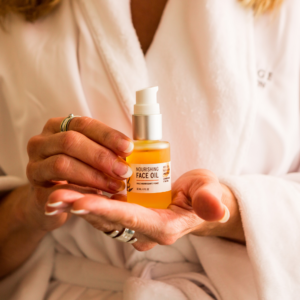
The key to maintaining skin health during winter is to replenish moisture and strengthen the skin barrier. A nourishing face oil for winter dryness and skin repair can be a crucial part of this routine. Unlike heavy creams that only sit on the skin’s surface, face oils penetrate deeply, providing essential nutrients and locking in hydration.
Benefits of Using a Nourishing Face Oil
- Deep Hydration
Face oils contain fatty acids that help replenish the skin’s natural oils, which may be depleted in winter. Regular use ensures that the skin remains supple, soft, and hydrated throughout the day. Oils like jojoba, argan, and rosehip are particularly effective because their molecular structure closely resembles the skin’s own sebum, allowing for better absorption.
- Skin Repair and Protection
Winter can damage the skin’s protective barrier, leading to dryness, redness, and sensitivity. A nourishing face oil works to repair this barrier, reducing moisture loss and enhancing resilience against environmental stressors. Ingredients rich in antioxidants, such as vitamin E, help protect the skin from free radicals, supporting overall skin health.
- Enhanced Radiance
Dullness is a common winter concern due to the lack of natural hydration. Regular application of a nourishing face oil improves skin texture and tone, leaving a natural glow. Oils with light-reflecting properties or those rich in essential fatty acids can give the skin a visibly healthier appearance.
- Suitable for Various Skin Types
Contrary to popular belief, oils are not only for dry skin. Many lightweight oils, such as squalane or grapeseed oil, are suitable for oily or combination skin. They balance sebum production while providing necessary moisture, making them a versatile addition to any winter skincare routine.
How to Choose the Right Face Oil
Selecting the right oil depends on your skin type and specific concerns:
- Dry Skin: Opt for richer oils like avocado, marula, or rosehip, which provide intense hydration and barrier repair.
- Sensitive Skin: Choose soothing oils like chamomile, calendula, or jojoba, which calm irritation and reduce redness.
- Oily/Combination Skin: Lightweight oils like squalane or grapeseed oil help maintain hydration without clogging pores.
It’s also important to check for purity and avoid products with synthetic fragrances or additives, which can exacerbate winter dryness.
How to Incorporate Face Oil into Your Winter Routine
To maximize benefits, apply a nourishing face oil after cleansing and toning but before or along with your moisturizer. This layering ensures that the oil locks in hydration and enhances the efficacy of other skincare products.
- Morning Routine: Apply a few drops to clean skin before makeup or SPF to protect against environmental stressors.
- Night Routine: Massage the oil gently into the skin before bedtime to allow overnight repair and rejuvenation.
Consistency is key. Regular use of a nourishing face oil for winter dryness and skin repair ensures long-term hydration and helps prevent seasonal skin issues from worsening.
Additional Tips for Winter Skin Care
- Humidify Your Environment: Using a humidifier can prevent indoor heating from drying out your skin.
- Avoid Hot Showers: Hot water strips natural oils; lukewarm water is gentler.
- Exfoliate Moderately: Removing dead skin cells improves oil absorption but avoid over-exfoliating in winter.
- Hydrate Internally: Drinking adequate water supports overall skin health from within.
Conclusion
Winter dryness and skin damage are common challenges, but they can be effectively managed with the right skincare approach. A nourishing face oil for winter dryness and skin repair offers deep hydration, barrier repair, and a healthy glow. By choosing an oil suited to your skin type and integrating it into a consistent routine, you can enjoy soft, resilient skin even during the harshest winter months.
Investing in a high-quality face oil is not just about comfort it’s about supporting your skin’s long-term health and vitality. With proper care, winter can become a season where your skin remains nourished, protected, and radiant.