
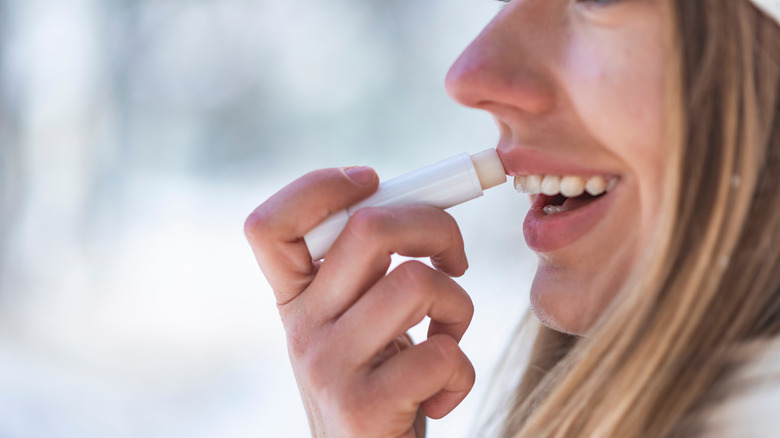
Lip care is an essential part of daily skincare, yet it is often overlooked. Many people experience dry, chapped, or cracked lips due to weather changes, dehydration, or exposure to environmental factors. Understanding What Lip Balm Is What You Need to Know can help you choose the right product and maintain healthy lips throughout the year.
Lip balm is a topical product designed to moisturize, protect, and soothe the lips. It forms a protective barrier that helps prevent moisture loss while improving the texture and appearance of the lips.
What is lip balm?
Lip balm is a wax-like or ointment-based product applied directly to the lips. Unlike the rest of the skin on your body, lips do not have oil glands. This means they cannot naturally produce moisture, making them more prone to dryness.
Most lip balms contain a combination of:
- Emollients to soften and smooth lips
- Occlusives to lock in moisture
- Humectants to attract hydration
By understanding What is Lip Balm: What You Need to Know, you can better appreciate how these ingredients work together to protect delicate lip skin.
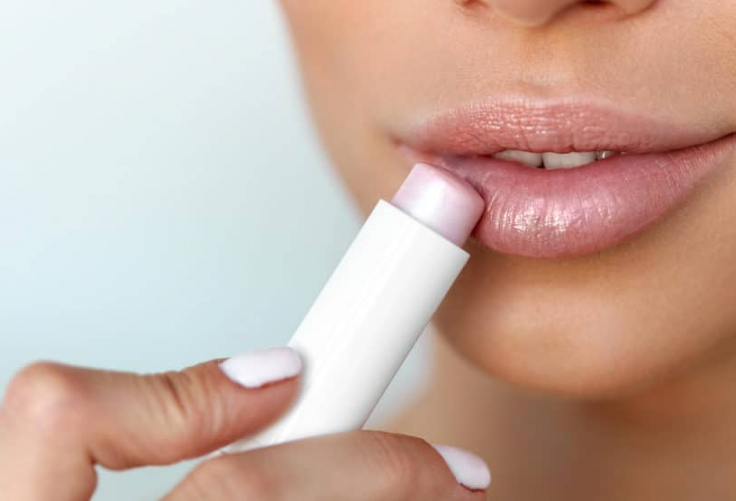
Why Are Lips Prone to Dryness?
Lips are more sensitive than other areas of the face for several reasons:
Lack of Oil Glands
Since lips do not produce natural oils, they depend entirely on external moisture.
Thin Skin Layer
The skin on the lips is thinner compared to other facial areas, making it more vulnerable to environmental stress.
Environmental Exposure
Cold weather, wind, sun exposure, and indoor air conditioning can quickly dry out lips.
Lip balm acts as a protective shield against these factors while restoring hydration.
Types of Lip Balms
There are different types of lip balms designed for specific needs:
Basic Moisturizing Lip Balm
Designed for daily hydration and maintenance.
Medicated Lip Balm
Contains soothing ingredients for severely cracked or damaged lips.
Tinted Lip Balm
Provides light color along with moisture.
SPF Lip Balm
Offers sun protection in addition to hydration.
Selecting the right type depends on your lifestyle and lip condition.
Benefits of Using Lip Balm
Understanding What is Lip Balm: What You Need to Know includes recognizing its key benefits:
- Prevents dryness and cracking
- Promotes smoother lip texture
- Protects against environmental damage
- Enhances overall lip appearance
- Provides comfort during harsh weather
Regular use can significantly reduce discomfort caused by chapped lips.
How to Use Lip Balm Properly
Applying lip balm correctly ensures maximum effectiveness.
- Start with clean, dry lips.
- Apply a thin, even layer.
- Reapply as needed, especially after eating or drinking.
- Use before bedtime for overnight hydration.
Overuse is generally not harmful, but frequent application may indicate dehydration or irritation from certain ingredients.
When Should You Use Lip Balm?
Lip balm can be used:
- During winter to prevent chapping
- In summer for sun protection
- Before applying lipstick
- At night as part of skincare routine
- During travel or outdoor activities
Consistent use maintains softness and prevents long-term damage.
Are There Any Side Effects?
While lip balm is generally safe, some people may experience sensitivity to fragrances, flavoring agents, or certain preservatives. If irritation occurs, discontinue use and choose a fragrance-free, hypoallergenic option.
Understanding What is Lip Balm: What You Need to Know helps you make informed choices and avoid ingredients that may not suit your skin.
Final Thoughts
Lip balm is more than just a cosmetic product. It plays a crucial role in protecting one of the most delicate areas of the face. By understanding What is Lip Balm: What You Need to Know, you can choose a product that suits your needs and maintain healthy, hydrated lips year-round.
Proper lip care does not require complicated routines. A simple, high-quality lip balm applied consistently can make a noticeable difference. Whether you prefer a basic moisturizing formula or one with added sun protection, selecting the right lip balm ensures comfort, protection, and improved lip health over time.