
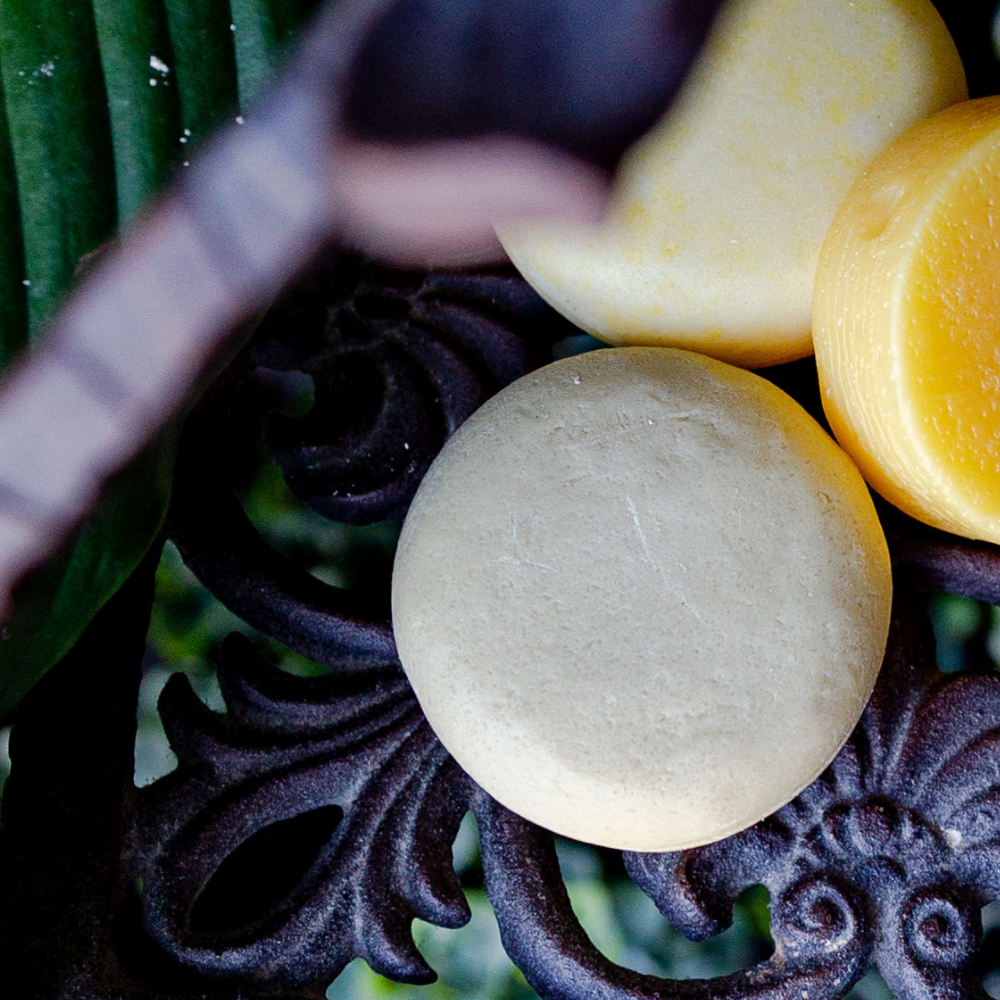
The beauty industry is undergoing a shift toward more sustainable practices, and haircare is no exception. Among the most significant developments is the rise of shampoo bars. Once considered a niche product, they have now become a practical and widely accepted alternative to traditional liquid shampoos.
Shampoo Bars the ultimate eco-friendly haircare trends are gaining popularity for their environmental benefits, concentrated formulas, and long-lasting performance. This article explores what makes shampoo bars a responsible choice, how they work, and how to transition smoothly from liquid shampoo.
What Are Shampoo Bars?
Shampoo bars are solid hair cleansers formulated with gentle surfactants, natural oils, plant-based extracts, and nourishing ingredients. Unlike traditional liquid shampoos packaged in plastic bottles, these bars are compact and often wrapped in recyclable or biodegradable materials.
They perform the same cleansing function as liquid shampoo but without excess water content. This concentrated format makes them highly efficient and environmentally conscious.
Why Shampoo Bars Are Environmentally Responsible
One of the main reasons consumers are switching to shampoo bars is their reduced environmental footprint.
Reduced Plastic Waste
Traditional shampoo bottles contribute significantly to global plastic waste. Many of these containers end up in landfills or oceans. Shampoo bars eliminate the need for plastic packaging, supporting a reduction in single-use plastic consumption.
Lower Carbon Emissions
Liquid shampoos are composed mostly of water, increasing shipping weight and transportation emissions. Shampoo bars are lightweight and compact, which reduces fuel consumption during distribution.
Minimal Water Usage in Production
Because shampoo bars are concentrated and do not require large quantities of added water, their production process typically consumes fewer resources.
These factors collectively make Shampoo Bars: The Ultimate Eco-Friendly Haircare Trend a meaningful step toward sustainable living.
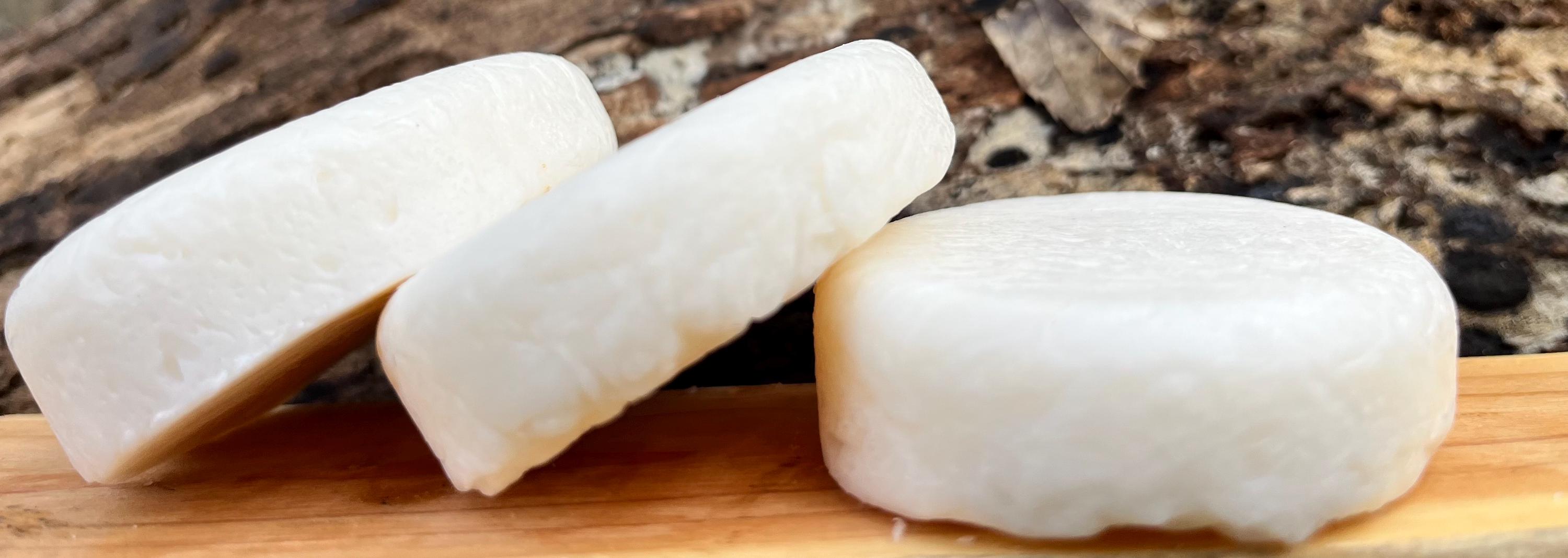
Key Benefits of Using Shampoo Bars
Beyond sustainability, shampoo bars offer several practical advantages.
Long-Lasting Formula
A single shampoo bar can last as long as two to three bottles of liquid shampoo, depending on usage. This durability makes them cost-effective over time.
Travel-Friendly Design
Shampoo bars are solid, compact, and spill-proof. They are ideal for travel and comply with airline liquid restrictions.
Suitable for Various Hair Types
Modern shampoo bars are available for dry, oily, curly, damaged, and color-treated hair. Formulations now include moisturizing oils like coconut oil, argan oil, and shea butter to address specific hair concerns.
Fewer Preservatives
Since they do not contain added water, shampoo bars typically require fewer synthetic preservatives compared to liquid shampoos.
Ingredients Commonly Found in Shampoo Bars
Understanding ingredients helps in selecting the right product.
- Gentle Surfactants: Such as sodium cocoyl isethionate, derived from coconut oil, which creates a mild lather.
- Natural Oils: Coconut oil, olive oil, or jojoba oil provide hydration.
- Botanical Extracts: Aloe vera and chamomile soothe the scalp.
- Essential Oils: Add fragrance and scalp benefits.
- Plant-Based Butters: Shea or cocoa butter help condition and soften hair.
It is advisable to choose sulfate-free and silicone-free options for a balanced cleansing experience.
How to Use a Shampoo Bar Effectively
Transitioning to a shampoo bar requires slight adjustments in application technique.
Step 1: Wet Hair Thoroughly
Ensure your hair is fully saturated before applying the bar.
Step 2: Create Lather
Rub the shampoo bar between your hands to create foam, or gently glide it directly over your scalp.
Step 3: Massage and Rinse
Massage the lather into your scalp and hair as you would with liquid shampoo. Rinse thoroughly.
Step 4: Store Properly
Keep the bar in a dry area between uses. A soap dish with drainage extends its lifespan.
During the initial switch, some users may experience an adjustment period as the scalp balances natural oil production.
Common Misconceptions About Shampoo Bars
Despite growing popularity, misconceptions remain.
“They Do Not Lather Well”
High-quality shampoo bars produce a rich lather comparable to liquid shampoos.
“They Leave Hair Dry”
Dryness usually results from choosing the wrong formulation. Selecting a bar suited to your hair type prevents this issue.
“They Are Difficult to Use”
After a few washes, most users find the process straightforward and convenient.
Are Shampoo Bars Suitable for All Hair Types?
Yes, provided you choose the correct formulation. Individuals with oily hair may prefer clarifying ingredients like tea tree oil. Those with dry or curly hair benefit from moisturizing oils and conditioning agents.
People with sensitive scalps should look for fragrance-free or hypoallergenic options.
Making the Switch to Sustainable Haircare
Switching to Shampoo Bars: The ultimate eco-friendly haircare trend is a simple way to reduce environmental impact without compromising hair health. The transition supports responsible consumption while maintaining effective cleansing performance.
To ensure success:
- Select a bar formulated for your hair type.
- Store it properly to extend its life.
- Allow a short adaptation period for your scalp.
Conclusion
Shampoo bars represent a practical solution to modern sustainability concerns. Their concentrated formulas, reduced packaging waste, and long-lasting nature make them a reliable alternative to traditional liquid shampoos.
As consumers continue to seek environmentally responsible choices, Shampoo Bars: The Ultimate Eco-Friendly Haircare Trend are proving that effective haircare and sustainability can coexist. By making small changes in daily routines, individuals contribute to reducing plastic waste and supporting more mindful consumption habits.