
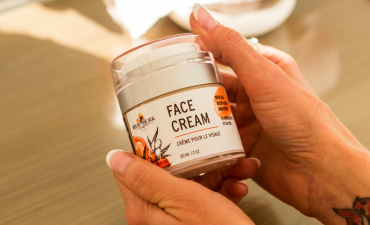
Selecting a face cream may appear simple, but the variety of products available can make the decision challenging. Each formulation is designed to address specific skin conditions such as dryness, oiliness, sensitivity, or aging. Using the wrong product may lead to irritation, clogged pores, or ineffective results.
This Guide to Choosing the Best Face Cream for Your Skin Type explains how to identify your skin type, understand product ingredients, and select a cream that supports your skin’s needs. With the right information, it becomes easier to choose products that maintain skin health and hydration.
Understanding Different Skin Types
The first step in choosing a face cream is identifying your skin type. Most skincare products are formulated to address one or more of the following categories.
Dry Skin
Dry skin often feels tight and may appear flaky or rough. This skin type requires creams that provide deep hydration and help maintain moisture levels throughout the day.
Look for ingredients such as:
- Hyaluronic acid
- Ceramides
- Shea butter
- Glycerin
These ingredients help attract and retain moisture while strengthening the skin barrier.
Oily Skin
Oily skin tends to produce excess sebum, which can lead to a shiny appearance and clogged pores. Lightweight, non-comedogenic creams are typically recommended.
Ingredients that work well for oily skin include:
- Niacinamide
- Salicylic acid
- Aloe vera
- Gel-based moisturizers
These ingredients support hydration without adding excess oil.
Combination Skin
Combination skin includes areas that are oily and others that are dry. The forehead, nose, and chin may produce oil, while cheeks may feel dry.
People with this skin type usually benefit from balanced formulas that hydrate dry areas without increasing oil production.
Sensitive Skin
Sensitive skin can react easily to certain ingredients, fragrances, or environmental factors. Redness, itching, or irritation are common symptoms.
Creams designed for sensitive skin often contain soothing ingredients such as:
- Chamomile extract
- Oat extract
- Aloe vera
- Panthenol
These ingredients help calm the skin and reduce irritation.

Why Choosing the Right Face Cream Matters
A suitable face cream supports the skin barrier and helps maintain hydration. It also protects against environmental stressors such as pollution, sun exposure, and temperature changes.
Using the correct product can help with:
- Maintaining proper moisture balance
- Improving skin texture
- Supporting elasticity
- Reducing irritation and dryness
On the other hand, using products that do not match your skin type may lead to breakouts, dryness, or discomfort.
Key Ingredients to Consider
When following a Guide to Choosing the Best Face Cream for Your Skin Type, reviewing the ingredient list is essential. Certain ingredients provide targeted benefits depending on your skin concerns.
Hydrating Ingredients
Hydrating compounds help the skin retain water and maintain smoothness. Examples include:
- Hyaluronic acid
- Glycerin
- Aloe vera
These ingredients are suitable for most skin types.
Barrier-Strengthening Ingredients
Some ingredients strengthen the skin barrier and prevent moisture loss.
Common examples include:
- Ceramides
- Fatty acids
- Cholesterol-based compounds
These are especially helpful for dry or sensitive skin.
Skin Renewal Ingredients
Certain ingredients support skin renewal and improve overall appearance.
Examples include:
- Retinol
- Vitamin C
- Peptides
These are typically used to support skin texture and elasticity.
How to Test a Face Cream Before Regular Use
Testing a product before incorporating it into your routine helps prevent unwanted reactions.
Patch Testing
Apply a small amount of cream to an area such as the inside of the wrist or behind the ear. Wait 24 hours to observe any reactions.
Start with Small Quantities
When trying a new product, begin with a small amount and gradually increase usage.
Observe Skin Response
Pay attention to changes in texture, redness, or breakouts during the first few days of use.
Common Mistakes When Choosing Face Creams
Many people choose skincare products based on packaging or marketing claims rather than skin compatibility. Some common mistakes include:
- Ignoring skin type
- Using heavy creams on oily skin
- Switching products frequently
- Overlooking ingredient lists
Understanding your skin’s needs helps prevent these issues and supports better skincare choices.
Seasonal Considerations for Face Creams
Skin requirements may change with weather conditions. During colder months, thicker creams may be helpful to maintain moisture. In warmer seasons, lightweight formulas may be more comfortable and prevent clogged pores.
Adjusting skincare routines according to seasonal conditions helps maintain consistent hydration and skin balance.
Final Thoughts
Choosing a face cream is an important part of maintaining healthy skin. By understanding your skin type, reviewing ingredient lists, and testing products carefully, you can select a formulation that supports long-term skin health.
This Guide to Choosing the Best Face Cream for Your Skin Type highlights the importance of matching skincare products to individual skin needs. With careful selection and consistent use, face creams can help maintain hydration, protect the skin barrier, and improve overall skin comfort.