
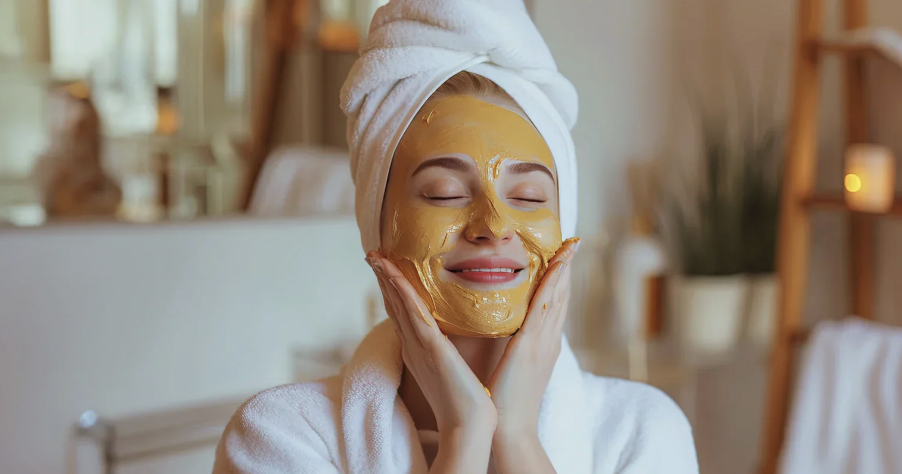
Detoxifying clay masks have become a reliable solution for maintaining healthy, clear skin without relying on expensive treatments. With the right ingredients and approach, you can create effective clay masks at home tailored to your skin type. This guide covers everything you need to know from benefits and types of clay to step-by-step recipes and safety tips.
What Are Detoxifying Clay Masks?
Clay masks are skincare treatments made from natural clay minerals that help draw out impurities, excess oil, and toxins from the skin. They are widely used for deep cleansing and improving skin texture.
How Clay Works on the Skin
Clay has absorbent properties that bind to dirt, oil, and bacteria. When applied, it penetrates pores and removes buildup, leaving the skin refreshed and balanced.
Benefits of DIY Detoxifying Clay Masks
Creating clay masks at home allows better control over ingredients and customization. Here are the key benefits:
Deep Cleansing
Clay masks help remove dirt and oil trapped in pores, reducing the chances of acne and blackheads.
Oil Control
They regulate excess sebum production, making them suitable for oily and combination skin.
Improved Skin Texture
Regular use can make the skin smoother and more even-toned.
Cost-Effective Skincare
DIY clay masks are more affordable compared to store-bought products while offering similar results.
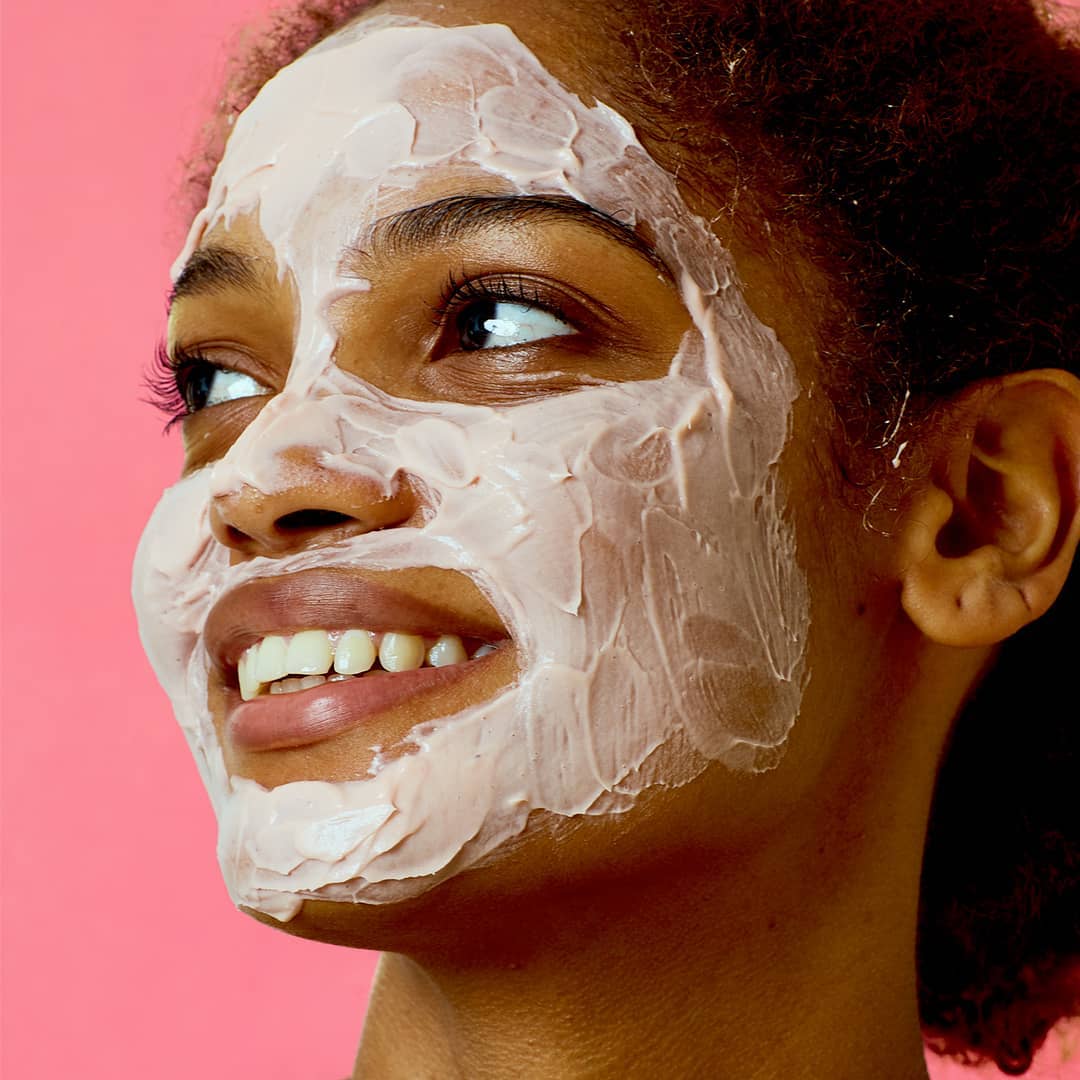
Types of Clay Used in DIY Masks
Different types of clay offer specific benefits. Choosing the right one is important for optimal results.
Bentonite Clay
- Known for strong detoxifying properties
- Suitable for oily and acne-prone skin
- Helps unclog pores and reduce breakouts
Kaolin Clay
- Gentle and mild
- Ideal for sensitive or dry skin
- Provides light cleansing without over-drying
French Green Clay
- Rich in minerals
- Helps tighten pores and improve circulation
- Best for oily skin types
Rhassoul Clay
- Improves skin elasticity
- Suitable for all skin types
- Helps reduce dryness while cleansing
How to Choose the Right Clay for Your Skin Type
Selecting the right clay ensures better results and prevents irritation.
For Oily Skin
Choose Bentonite or French Green Clay for strong oil absorption.
For Dry Skin
Opt for Kaolin or Rhassoul Clay to avoid excessive dryness.
For Sensitive Skin
Use Kaolin Clay with soothing ingredients like aloe vera.
For Combination Skin
Mix clays or apply different clays to different areas (multi-masking).
DIY Clay Mask Recipes
Here are simple recipes you can prepare at home using natural ingredients.
Basic Detox Clay Mask
Ingredients:
- 2 tablespoons Bentonite or Kaolin clay
- 1–2 tablespoons water or rose water
Steps:
- Mix clay and liquid in a non-metal bowl
- Stir until smooth
- Apply evenly on the face
- Leave for 10–15 minutes
- Rinse with lukewarm water
Clay Mask for Acne-Prone Skin
Ingredients:
- 2 tablespoons Bentonite clay
- 1 tablespoon apple cider vinegar
- 1 tablespoon water
Benefits:
Helps reduce acne-causing bacteria and unclogs pores.
Hydrating Clay Mask for Dry Skin
Ingredients:
- 2 tablespoons Kaolin clay
- 1 tablespoon honey
- 1 tablespoon yogurt
Benefits:
Adds moisture while gently cleansing the skin.
Brightening Clay Mask
Ingredients:
- 2 tablespoons French green clay
- 1 tablespoon aloe vera gel
- A few drops of lemon juice
Benefits:
Improves skin tone and adds a natural glow.

How to Apply Clay Masks Correctly
Proper application enhances effectiveness and reduces side effects.
Step-by-Step Application
- Cleanse your face thoroughly
- Apply a thin, even layer of the mask
- Avoid the eye and lip areas
- Do not let the mask fully crack or dry out completely
- Rinse gently with lukewarm water
- Follow with a moisturizer
Safety Tips for DIY Clay Masks
Patch Test First
Always test the mask on a small area before applying it to your face.
Use Fresh Ingredients
Avoid using expired or contaminated ingredients.
Moisturize After Use
Clay masks can dry out the skin, so follow up with a hydrating product.
How Often Should You Use Clay Masks?
The frequency depends on your skin type:
- Oily skin: 2–3 times per week
- Dry skin: Once a week
- Sensitive skin: Once every 10–14 days
Consistency is important, but overuse should be avoided.
Final Thoughts
The Ultimate Guide to DIY Detoxifying Clay Masks at Home provides a structured approach to improving your skincare routine using natural ingredients. With the right type of clay and proper application, you can achieve clearer, healthier skin without complex treatments. Focus on consistency, choose ingredients based on your skin type, and follow safe practices to get the most out of your DIY clay masks.