
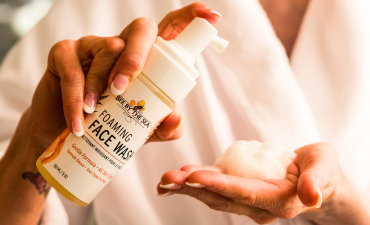
Cleansing is the foundation of any effective skincare routine. Among the many cleanser formats available today, foaming face washes remain one of the most widely used options. Their light texture, ease of use, and ability to remove daily impurities make them suitable for a broad range of skin concerns. This article offers a clear and practical overview, helping readers understand how foaming cleansers work and whether they are the right choice for their skincare needs.
What Is a Foaming Face Wash?
A foaming face wash is a water-based cleanser that transforms into a light foam when dispensed or lathered with water. The foam is created using gentle surfactants that lift dirt, excess oil, sunscreen residue, and environmental pollutants from the skin’s surface.
Unlike heavy cream or oil cleansers, foaming formulas are designed to rinse away cleanly without leaving residue behind. This makes them especially popular for daily use, particularly in warm or humid climates where skin tends to accumulate oil more quickly.
How Foaming Cleansers Work on the Skin
The Role of Surfactants
Surfactants are cleansing agents that bind to oil and debris, allowing them to be washed away with water. In a foaming cleanser, these surfactants are balanced to create foam while minimizing irritation.
Why Foam Matters
Foam helps distribute the cleanser evenly across the face, ensuring that hard-to-reach areas such as the sides of the nose and hairline are thoroughly cleansed. The airy texture also encourages gentle massaging, reducing the risk of over-scrubbing.
Benefits of Using a Foaming Face Wash
Deep Yet Gentle Cleansing
Foaming cleansers are effective at removing excess oil and impurities without harsh rubbing. When properly formulated, they cleanse thoroughly while respecting the skin barrier.
Suitable for Daily Use
Most foaming face washes are designed for morning and evening cleansing. Their lightweight nature makes them comfortable for frequent use without feeling heavy on the skin.
Refreshing Skin Feel
After rinsing, the skin often feels clean, fresh, and balanced. This sensation is especially appreciated by those who dislike leftover residue from richer cleansers.

Foaming Face Wash for Different Skin Types
For Oily Skin
Foaming cleansers are often recommended for oily and acne-prone skin due to their ability to remove excess sebum. Regular use can help reduce shine and keep pores clear without stripping the skin.
For Dry Skin
Those with dry skin can still benefit from foaming face washes, provided the formula includes hydrating ingredients such as glycerin or hyaluronic acid. A mild, sulfate-free foam can cleanse without causing tightness.
For Combination Skin
Combination skin often requires balance. Foaming cleansers work well by targeting oilier areas while remaining gentle enough for drier zones when used correctly.
For Sensitive Skin
Sensitive skin types should look for fragrance-free foaming cleansers with calming ingredients. A soft foam minimizes friction, which can help reduce redness and discomfort.
How to Use a Foaming Face Wash Correctly
Step-by-Step Application
- Wet the face with lukewarm water.
- Dispense a small amount of foaming cleanser into your palm.
- Gently massage the foam onto the skin using circular motions.
- Focus on areas prone to oil buildup, avoiding harsh pressure.
- Rinse thoroughly and pat dry with a clean towel.
Frequency of Use
Most people can use a foaming face wash twice daily. However, those with very dry or sensitive skin may prefer once-daily use, typically in the evening.
Ingredients to Look For in a Quality Foaming Cleanser
Mild Cleansing Agents
Gentle surfactants help cleanse effectively without damaging the skin barrier. These are especially important for long-term skin health.
Hydrating Components
Ingredients such as glycerin and panthenol help maintain moisture levels, preventing dryness after cleansing.
Skin-Soothing Additions
Formulas that include calming ingredients can help support sensitive or reactive skin while maintaining cleanliness.
Common Myths About Foaming Face Wash
Myth 1: Foaming Cleansers Are Always Drying
Not all foaming face washes are harsh. Modern formulations are designed to balance cleansing power with skin comfort.
Myth 2: Foam Means Strong Chemicals
Foam does not automatically indicate aggressive ingredients. The effectiveness depends on formulation, not foam alone.
Is a Foaming Face Wash Right for You?
Choosing the right cleanser depends on understanding your skin’s needs. This Foaming Face Wash for All Skin Types Explained guide highlights that with the right formulation, foaming cleansers can suit nearly everyone. The key lies in selecting a product that aligns with your skin type and using it correctly as part of a consistent routine.
Final Thoughts
A foaming face wash offers a practical and effective way to cleanse the skin without unnecessary complexity. Its lightweight texture, ease of application, and adaptability across skin types make it a reliable choice for daily skincare. By focusing on gentle ingredients and proper usage, a foaming cleanser can support clean, balanced, and comfortable skin over time.