

Summer can affect your skin in many ways. Heat, humidity, sweat, sun exposure, and pollution can make the skin feel oily, sticky, dull, or irritated. Many people start changing their skincare routine during this season, but one common question is: “Do I need to change my face wash for summer or just the moisturizer?”depends on your skin type, the products you currently use, and how your skin behaves in summer. In some cases, changing only the moisturizer may be enough. In other cases, your face wash may also need a seasonal update.
Why Summer Skincare Needs a Different Approach
During summer, your skin produces more sweat and sebum. Sebum is the natural oil produced by the skin. When sweat, oil, sunscreen, and dust mix, they can clog pores and make the skin feel greasy.
This does not mean you need harsh skincare products. In fact, using strong cleansers or skipping moisturizer can damage the skin barrier. A summer skincare routine should focus on gentle cleansing, lightweight hydration, sun protection, and oil control.
Should You Change Your Face Wash in Summer?
You may need to change your face wash in summer if your current cleanser feels too heavy, leaves residue, or does not remove sweat and oil properly. However, changing face wash is not always necessary.
When You Should Change Your Face Wash
Consider switching your face wash if:
- Your skin feels greasy soon after washing
- You get more clogged pores or breakouts
- Your cleanser leaves a creamy or oily layer
- Your skin feels dull due to sweat and pollution buildup
- You use sunscreen daily and need better cleansing
For oily or acne-prone skin, a gel-based or foaming face wash may work better in summer. Ingredients like salicylic acid can help manage excess oil and clogged pores, but they should not be overused.
For dry or sensitive skin, avoid harsh foaming cleansers. A gentle, non-stripping cleanser is better because summer heat can still cause irritation and dehydration.
Should You Change Your Moisturizer in Summer?
In many cases, changing your moisturizer is more important than changing your face wash. A thick cream that works well in winter may feel heavy during summer. It can make the skin look oily and uncomfortable.
When You Should Change Your Moisturizer
You may need a lighter moisturizer if:
- Your skin feels sticky after application
- Your face becomes oily quickly
- Your moisturizer feels heavy under sunscreen
- You notice clogged pores
- Your skin sweats more after applying cream
For summer, gel-based, water-based, or lightweight lotion moisturizers are usually better. Look for non-comedogenic formulas if you have oily or acne-prone skin. These are less likely to clog pores.
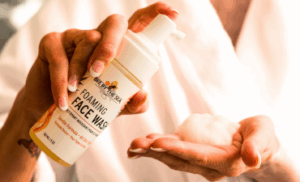
Face Wash vs Moisturizer: Which One Matters More in Summer?
If your face wash already cleans well without making your skin dry, you may not need to change it. In that case, switching to a lightweight moisturizer may be enough.
However, if your skin feels oily, congested, or unclean even after washing, your face wash may also need to be changed. The key is to observe your skin instead of changing products only because the season changed.
A simple rule is:
- If your skin feels clean but sticky after moisturizer, change the moisturizer.
- If your skin feels oily or dirty even after cleansing, change the face wash.
- If your skin feels dry, tight, or irritated, avoid harsh products and focus on barrier-friendly skincare.
Summer Face Wash Tips Based on Skin Type
Oily Skin
Oily skin may need a gel or mild foaming cleanser. Washing twice a day is usually enough. Avoid washing too many times because it can trigger more oil production.
Dry Skin
Dry skin still needs a gentle cleanser in summer. Avoid strong cleansers that make the skin feel tight. A hydrating face wash can help maintain comfort.
Combination Skin
Combination skin may feel oily in the T-zone and dry on the cheeks. A mild gel cleanser can help balance the skin without making it too dry.
Sensitive Skin
Sensitive skin should avoid fragrance-heavy or exfoliating cleansers unless recommended by a dermatologist. Choose a mild, soothing face wash.
Summer Moisturizer Tips Based on Skin Type
Oily Skin
Use a lightweight gel moisturizer. Ingredients like hyaluronic acid or niacinamide may help hydrate the skin without heaviness.
Dry Skin
Dry skin may still need a cream, but it should be lighter than a winter cream. A lotion-based moisturizer can work well.
Acne-Prone Skin
Choose a non-comedogenic moisturizer. Do not skip moisturizer, as dryness can irritate the skin and affect acne management.
Normal Skin
A lightweight moisturizer is usually enough for daily summer use. Apply it before sunscreen.

Common Summer Skincare Mistakes to Avoid
One common mistake is washing the face too often. This can remove natural oils and make the skin feel irritated. Another mistake is skipping moisturizer because the skin feels oily. Oily skin can still be dehydrated.
Using sunscreen without proper cleansing at the end of the day can also clog pores. If you wear sunscreen, cleanse your face properly every evening. You may use double cleansing if you wear heavy sunscreen or makeup, but keep it gentle.
Final Thoughts
You do not always need to change both your face wash and moisturizer in summer. Start by checking how your skin feels during the day. If your moisturizer feels heavy, switch to a lighter one first. If your cleanser is not removing sweat, oil, or sunscreen properly, then consider changing your face wash as well.
A good summer skincare routine should be simple, gentle, and suitable for your skin type. The goal is not to use more products, but to use the right ones for the weather and your skin’s needs.