
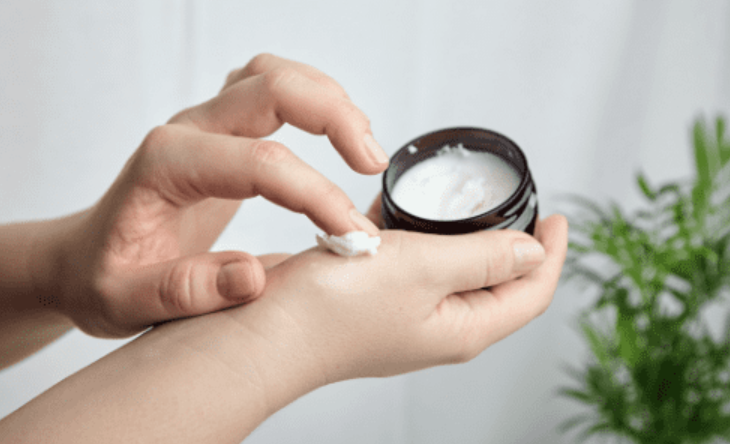
Dry skin can feel tight, rough, itchy, and uncomfortable, especially during colder months or in dry weather. Many people use body lotions for daily moisturizing, but sometimes lotion may not be enough for very dry or flaky skin. This is where body butter becomes useful. It is thicker, richer, and more nourishing than regular body lotion, making it a popular choice for people who need deeper skin hydration.
If you have ever wondered, What Is Body Butter and How Does It Help Dry Skin?, the answer lies in its rich texture and skin-softening ingredients. Body butter is usually made with natural oils and plant-based butters that help lock moisture into the skin and support the skin barrier.
What Is Body Butter?
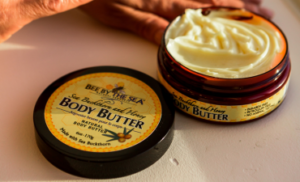
Body butter is a thick moisturizing cream made with ingredients such as shea butter, cocoa butter, mango butter, coconut oil, almond oil, or other nourishing oils. Unlike lightweight lotions, body butter has a dense texture and is designed to provide long-lasting moisture.
It is commonly used on areas that become very dry, such as elbows, knees, heels, hands, and legs. Because of its rich consistency, body butter forms a protective layer on the skin, helping reduce moisture loss.
Body butter is especially suitable for people with dry, rough, or dull-looking skin. It can also be helpful after shaving, after bathing, or during winter when the skin tends to lose moisture faster.
How Is Body Butter Different from Body Lotion?
Body lotion and body butter both help moisturise the skin, but they are not the same.
Texture and Thickness
Body lotion is usually lighter and contains more water. It spreads easily and absorbs quickly, making it suitable for normal or slightly dry skin.
Body butter is thicker and creamier. It usually contains more oils and butters, which makes it better for areas that need extra nourishment.
Moisture Level
Lotions are useful for daily hydration, while body butter provides deeper and longer-lasting moisture. For people with very dry skin, body butter may feel more effective because it helps seal moisture into the skin.
Best Usage
Body lotion is ideal for daytime use or humid weather. Body butter is better for night-time use, winter care, or very dry areas of the body.
How Does Body Butter Help Dry Skin?
Body butter helps dry skin in several ways. Its rich ingredients work together to soften, protect, and nourish the skin.
- Locks Moisture Into the Skin
Dry skin often happens when the skin loses moisture quickly. Body butter creates a protective layer on the skin surface, which helps reduce water loss. This makes the skin feel softer and more comfortable for longer.
- Supports the Skin Barrier
The skin barrier protects the body from dryness, pollution, and external irritants. When the barrier becomes weak, the skin may feel rough, flaky, or sensitive. Ingredients like shea butter, cocoa butter, and natural oils help support the skin barrier by providing essential fatty acids.
- Softens Rough Areas
Elbows, knees, heels, and hands often become rough because these areas face more friction and dryness. Applying body butter regularly can help soften these areas and improve skin texture over time.
- Reduces Flaky Skin
Flaky skin is a common sign of dryness. Body butter helps smooth the skin surface by providing intense moisture. When used consistently, it can reduce the appearance of dry patches and flakes.
- Provides Long-Lasting Comfort
Because body butter is thicker than lotion, it stays on the skin for a longer time. This makes it helpful for people who experience dryness soon after applying regular moisturiser.
Common Ingredients in Body Butter
A good body butter usually contains nourishing ingredients that help moisturise and protect the skin.
Shea Butter
Shea butter is one of the most common ingredients in body butter. It is rich in fatty acids and helps soften dry, rough skin.
Cocoa Butter
Cocoa butter has a smooth texture and is known for its moisturising properties. It helps improve skin softness and gives body butter a rich feel.
Mango Butter
Mango butter is lighter than shea or cocoa butter but still provides good hydration. It is often used in body butters made for smoother application.
Coconut Oil
Coconut oil helps moisturise the skin and gives body butter a soft texture. However, people with acne-prone skin may prefer to avoid using it on areas that break out easily.
Almond Oil
Almond oil is often added for extra nourishment. It helps improve skin softness and is commonly used in products for dry skin.
How to Use Body Butter Correctly
Using body butter the right way can improve its effectiveness.
Apply After a Bath
The best time to apply body butter is after a bath or shower, when the skin is slightly damp. This helps lock in moisture and keeps the skin hydrated for longer.
Use a Small Amount
Body butter is rich, so a small amount is usually enough. Take a little product, warm it between your palms, and massage it gently into the skin.
Focus on Dry Areas
Apply extra body butter on elbows, knees, feet, hands, and other dry patches. These areas often need more moisture than the rest of the body.
Use at Night
If the texture feels heavy during the day, use body butter before bedtime. This allows the product to work overnight while your skin rests.
Who Should Use Body Butter?
Body butter is suitable for many skin types, but it is especially useful for people with dry or very dry skin.
It may be a good choice for:
- People with rough or flaky skin
- Those who live in cold or dry climates
- People with dry hands, feet, elbows, or knees
- Anyone who wants long-lasting body moisturisation
- People who find regular lotion too light
However, if your skin is oily or acne-prone, avoid applying heavy body butter on areas such as the chest or back, as it may feel greasy or clog pores for some people.
Can Body Butter Be Used Every Day?
Yes, body butter can be used every day, especially if your skin is dry. Daily use can help maintain softness and reduce dryness. For normal skin, using it a few times a week may be enough.
If you are using body butter for the first time, start with a small amount. Check how your skin feels and adjust usage based on your skin’s needs.
Tips for Choosing the Right Body Butter
When buying body butter, check the ingredient list carefully. Choose products with moisturising ingredients such as shea butter, cocoa butter, mango butter, almond oil, or jojoba oil.
Avoid products with too much artificial fragrance if your skin is sensitive. Fragrance can sometimes irritate dry or delicate skin. A simple formula with nourishing ingredients is often a better choice.
Also, consider your climate. In winter or dry weather, a richer body butter may work well. In humid weather, a lighter formula may feel more comfortable.
Conclusion
Body butter is a rich moisturiser designed to deeply nourish dry skin. It is thicker than body lotion and helps lock moisture into the skin, soften rough areas, and support the skin barrier. For people dealing with dryness, flakiness, or rough patches, body butter can be a useful addition to a daily skincare routine.
Understanding What Is Body Butter and How Does It Help Dry Skin? can help you choose the right product for your needs. When used correctly, especially after bathing or before bed, body butter can keep the skin soft, smooth, and comfortable for longer.