

A good skincare routine does not always need many products. What matters most is using the right products in the right order. One product that often creates confusion is toner. Some people skip it because they do not understand its purpose, while others use it incorrectly and do not see any visible benefit.
Toner can support healthy-looking skin when used properly. It helps remove leftover dirt after cleansing, prepares the skin for the next steps, and may provide hydration depending on the formula. However, the result depends on your skin type, product choice, and application method. This guide explains how to use toner for the face the right way for glowing skin in a simple and practical way.
What Is a Face Toner?
A face toner is a lightweight liquid skincare product applied after cleansing and before serum or moisturizer. Earlier, toners were mostly used to remove excess oil and tighten the skin. Many older formulas contained strong alcohol-based ingredients, which often made the skin feel dry.
Today, toners are available in different types. Some are hydrating, some help with oil control, and some support gentle exfoliation. A toner may include ingredients such as rose water, green tea, hyaluronic acid, niacinamide, glycolic acid, or salicylic acid. The right toner can make the skin feel refreshed and balanced without causing dryness.
Why Should You Use Toner?
Toner is not compulsory for everyone, but it can improve your routine when chosen correctly. After washing your face, small traces of cleanser, sweat, oil, or impurities may still remain on the skin. Toner helps clear this residue and gives the skin a fresh base.
It can also help maintain skin hydration. A hydrating toner adds a light layer of moisture, which can make the skin feel softer. For oily or acne-prone skin, a toner with suitable ingredients may help manage excess sebum and reduce the appearance of clogged pores. For dull skin, a gentle exfoliating toner may support smoother skin texture over time.
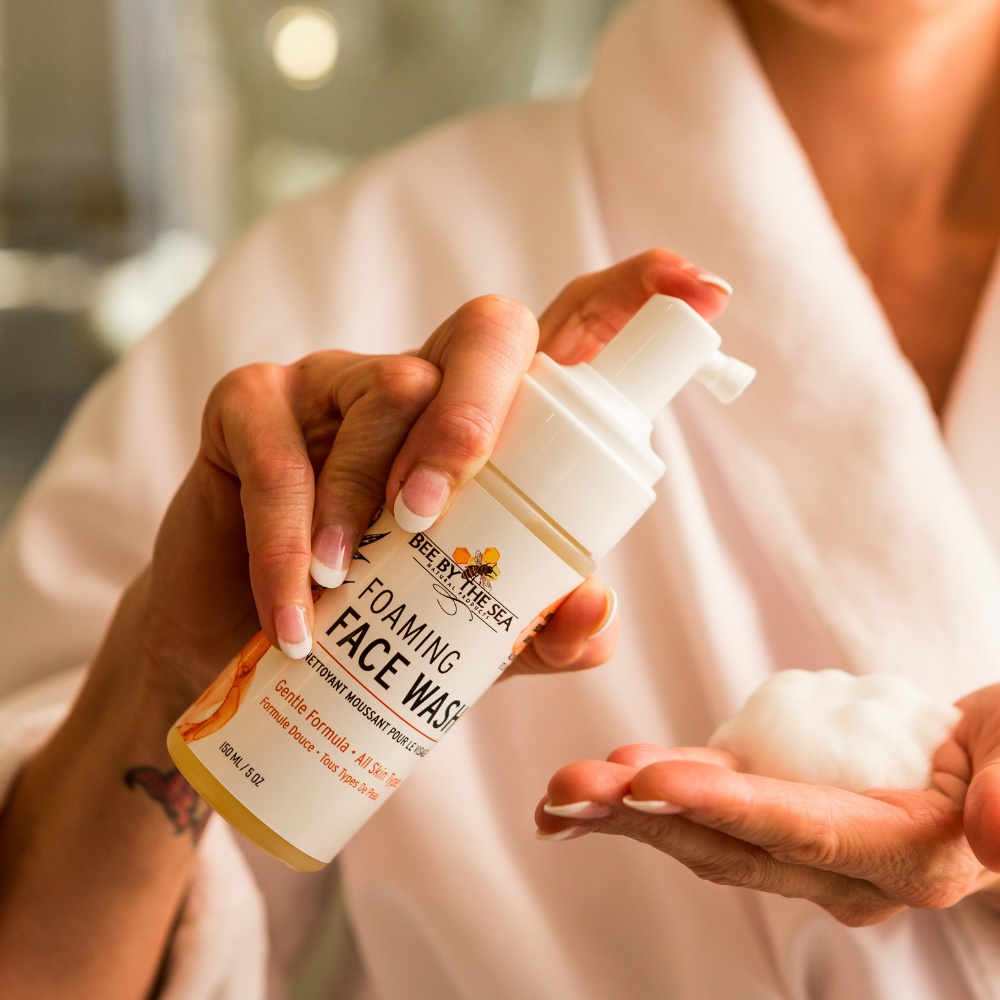
How to Use Toner for Face the Right Way
Using toner correctly is simple, but timing and quantity matter. It should be applied after cleansing and before applying serum, moisturiser, or sunscreen.
Step 1: Cleanse Your Face First
Start with a gentle cleanser suitable for your skin type. Cleansing removes surface dirt, oil, sweat, and makeup. Avoid using harsh cleansers that leave your skin feeling tight, as this can affect your skin barrier. Pat your face dry with a clean towel, but do not rub the skin harshly.
Step 2: Apply Toner on Slightly Damp or Dry Skin
You can apply toner when your skin is slightly damp or completely dry, depending on the toner type. Hydrating toners often work well on slightly damp skin, while exfoliating toners are generally better on dry skin. Always check the product instructions before applying.
Step 3: Use Cotton Pad or Hands
There are two common ways to apply toner. You can pour a small amount onto a cotton pad and gently swipe it across your face. This method is useful if you want to remove leftover residue after cleansing.
You can also take a few drops in your palms and gently press the toner into your skin. This method works well for hydrating toners because it reduces product wastage and feels gentle on the skin.
Step 4: Avoid the Eye Area
The skin around the eyes is delicate. Avoid applying toner too close to the eyes, especially if the toner contains exfoliating acids, fragrance, or strong active ingredients. If the product enters your eyes, rinse with water immediately.
Step 5: Follow With Serum or Moisturiser
Do not stop your skincare routine after toner. Follow it with a serum or moisturiser to lock in hydration. During the daytime, always finish with sunscreen. Toner prepares the skin, but moisturiser and sunscreen are important for protection and skin comfort.
When Should You Use Toner?
Most people can use toner once or twice a day, depending on the formula. A hydrating toner can usually be used in the morning and evening. However, exfoliating toners with acids should be used less frequently, especially if your skin is sensitive.
If you are new to toner, start by using it once a day or a few times a week. Watch how your skin responds. If you notice dryness, redness, burning, or peeling, reduce usage or stop using the product.
How to Choose Toner Based on Skin Type
Choosing the wrong toner can lead to irritation or dryness. Your toner should match your skin needs.
For Oily Skin
Look for lightweight toners with ingredients like niacinamide, green tea, or salicylic acid. These may help manage oil and keep the skin feeling fresh. Avoid very drying formulas, as they can make the skin produce more oil.
For Dry Skin
Choose hydrating toners with ingredients like hyaluronic acid, glycerin, aloe vera, or rose water. Avoid alcohol-heavy toners because they can make dryness worse.
For Sensitive Skin
Use fragrance-free and alcohol-free toners. Look for calming ingredients such as aloe vera, centella asiatica, or chamomile. Patch testing is important before applying a new toner to your full face.
For Acne-Prone Skin
A toner with salicylic acid or niacinamide may be useful, but it should not be too harsh. Avoid using multiple acne products at the same time, as this can irritate the skin.
Common Mistakes to Avoid While Using Toner
One common mistake is using too much toner. A small amount is enough. Applying more product does not mean better results. Another mistake is using toner too often, especially exfoliating toner. Overuse can damage the skin barrier.
Many people also choose toner only because it feels cooling or smells pleasant. Fragrance may irritate some skin types, so ingredient quality matters more than scent. Also, toner should not replace cleansing, moisturising, or sunscreen. It is only one step in a complete skincare routine.
Can Toner Help in Getting Glowing Skin?
Toner alone cannot transform the skin overnight. However, it can support glowing skin when used as part of a consistent routine. A hydrating toner can make the skin look fresher, while a gentle exfoliating toner may improve uneven texture over time.
For best results, pair toner with a mild cleanser, a suitable moisturizer, daily sunscreen, enough water intake, and a balanced diet. Healthy-looking skin depends on both skincare habits and lifestyle.
Conclusion
Toner can be a useful step in your skincare routine when selected and applied correctly. The right toner can help refresh the skin, support hydration, and prepare your face for the next skincare products. The key is to choose a formula based on your skin type and avoid overusing strong ingredients.
If your goal is smoother and naturally glowing skin, learn how your skin reacts and keep your routine simple. Using toner the right way, along with cleansing, moisturizing, and sunscreen, can help your skin look balanced, fresh, and well cared for.