
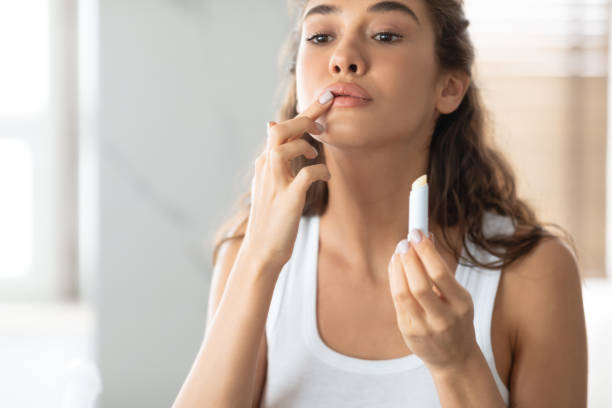
Lips are more delicate than the skin on most other parts of the body. They have a thinner outer layer and do not produce natural oil in the same way as other skin areas. This makes them more likely to become dry, cracked, or irritated, especially during weather changes, sun exposure, dehydration, or regular use of drying lip products.
A good lip balm helps protect the lips, reduce dryness, and support daily lip care. However, choosing the right product can be confusing because there are many options available, including tinted lip balms, SPF lip balms, medicated balms, organic formulas, and overnight lip treatments. This Lip Balm Guide: Benefits, Types, and How to Choose the Right One explains how lip balm works, what types are available, and what to check before buying one.
What Is Lip Balm?
Lip balm is a skincare product designed to moisturize, protect, and soothe the lips. It usually comes in stick, tube, jar, or squeeze-pack form. Most lip balms contain ingredients that help lock in moisture and create a protective layer over the lips.
Lip balm is not only for people with dry lips. It can also be used as part of a daily lip care routine to prevent dryness before it starts. Regular use can keep the lips soft, comfortable, and protected from external factors such as wind, sun, cold air, and indoor air conditioning.
Benefits of Using Lip Balm
Helps Prevent Dry and Chapped Lips
The main benefit of lip balm is moisture protection. Dry lips can become flaky, rough, and painful if not cared for properly. Lip balm helps reduce water loss from the lips and provides a smooth barrier that keeps them hydrated for longer.
Protects Lips from Weather Changes
Cold weather, hot sun, dry air, and strong wind can all affect lip health. Applying lip balm before stepping outside can help protect the lips from these conditions. During winter, lip balm can reduce cracking, while in summer, an SPF lip balm can help protect against sun damage.
Supports Healing of Cracked Lips
When lips are already cracked or irritated, a suitable lip balm can help soothe discomfort. Ingredients such as shea butter, cocoa butter, petrolatum, beeswax, and certain plant oils can support the healing process by keeping the area protected.
Improves Lip Texture
Regular use of lip balm can make the lips feel smoother and softer. It also helps reduce the appearance of flakes, which can make lipstick or tint application look more even.
Adds Light Colour or Shine
Some lip balms come with a slight tint or glossy finish. These are useful for people who want both lip care and a natural-looking colour in one product.

Common Types of Lip Balm
Moisturising Lip Balm
This is the most common type of lip balm. It is made to hydrate and soften the lips. It may contain ingredients such as shea butter, cocoa butter, coconut oil, almond oil, beeswax, or petrolatum. It is suitable for everyday use.
SPF Lip Balm
SPF lip balm protects the lips from sun exposure. Many people apply sunscreen on the face but forget the lips. Since lips can also be affected by UV rays, SPF lip balm is useful for daytime use, especially when outdoors.
Tinted Lip Balm
Tinted lip balm provides moisture along with light colour. It is a good option for daily wear when you want a simple look without using lipstick. However, people with sensitive lips should check the ingredient list before using tinted products.
Medicated Lip Balm
Medicated lip balms are made for very dry, cracked, or irritated lips. They may contain soothing ingredients or active components that help manage discomfort. These should be used as directed, especially if the product contains strong active ingredients.
Organic or Natural Lip Balm
Organic or natural lip balms often use plant-based oils, waxes, and butters. They may be suitable for people who prefer simple ingredient formulas. However, “natural” does not always mean irritation-free, so patch testing is useful if you have sensitive skin.
Overnight Lip Balm
Overnight lip balms are usually thicker than regular balms. They are designed to stay on the lips for longer and provide deep moisture while sleeping. These are helpful for people who wake up with dry lips.
How to Choose the Right Lip Balm
Check Your Main Lip Concern
Before buying a lip balm, identify your need. If your lips are dry, choose a moisturising balm. If you spend time outdoors, choose an SPF lip balm. If you want light colour, a tinted balm may be suitable. If your lips are cracked, a thicker or medicated formula may work better.
Look for Moisturising Ingredients
Good lip balm ingredients include shea butter, cocoa butter, beeswax, lanolin, petrolatum, ceramides, and natural oils. These ingredients help soften the lips and protect them from moisture loss.
Avoid Irritating Ingredients
Some ingredients may make sensitive lips worse. Strong fragrance, menthol, camphor, artificial flavouring, and certain essential oils may cause irritation for some people. If your lips burn or sting after applying a balm, it may not be the right product for you.
Choose SPF for Daytime Use
For daytime, especially during outdoor activities, choose a lip balm with SPF. This helps protect the lips from sun exposure and may prevent dryness caused by UV damage.
Pick the Right Texture
Some people prefer lightweight balms, while others need thicker formulas. Stick balms are easy to carry, tube balms are convenient, and jar balms are often thicker. Choose the format that fits your routine.
Consider Your Skin Sensitivity
If you have sensitive skin, choose a fragrance-free and simple formula. Avoid lip balms with too many colourants or flavouring agents. A basic moisturising balm is often better for daily use.
How to Use Lip Balm Correctly
Apply lip balm whenever your lips feel dry, but avoid over-applying every few minutes. Use it before going outdoors, before applying matte lipstick, and before sleeping if your lips are very dry. Drink enough water and avoid licking your lips, as saliva can make dryness worse.
For best results, gently remove flakes with a soft cloth instead of peeling them. Then apply a hydrating balm to protect the lips.
Conclusion
Lip balm is a simple but important part of daily skincare. It helps protect the lips from dryness, weather changes, sun exposure, and irritation. The right choice depends on your lip concern, daily routine, skin sensitivity, and preferred texture.
A moisturizing lip balm is suitable for everyday care, while SPF lip balm is better for daytime protection. Tinted balms are useful for light color, and overnight balms are helpful for deeper moisture. By checking the ingredients and choosing a formula that matches your needs, you can keep your lips soft, smooth, and comfortable throughout the year.