
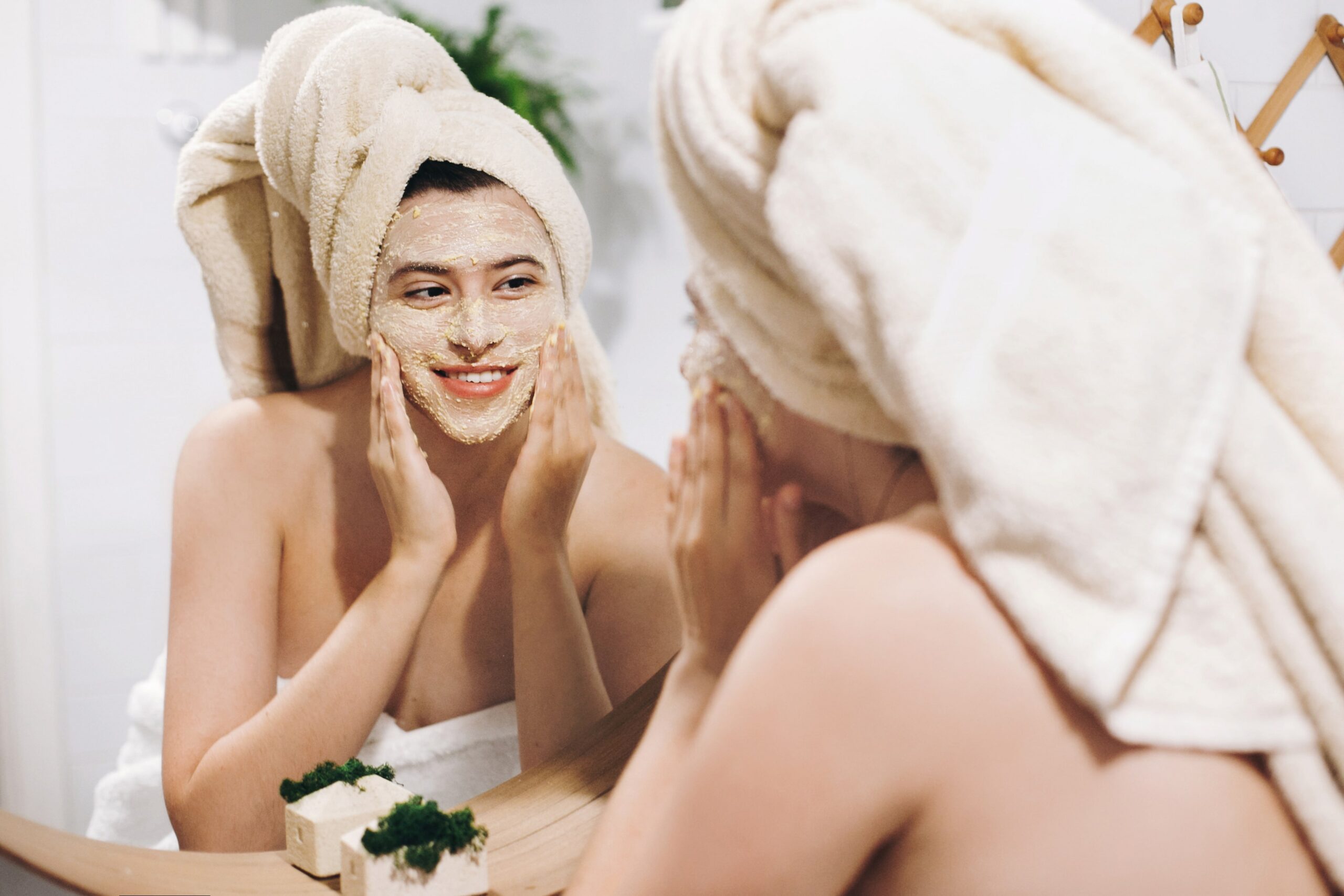
Exfoliation is an important part of a skincare routine because it helps remove dead skin cells from the surface of the skin. When dead skin builds up, the skin may look dull, rough, or dry. A sugar scrub is one of the commonly used physical exfoliators because sugar granules help polish the skin gently when used correctly.
But many people use scrubs too harshly or too often, which can lead to dryness, redness, or irritation. So, What Is the Best Way to Exfoliate with Sugar Scrub? The best method is to apply it on damp skin, massage gently in circular motions, rinse well, and follow with a moisturiser. It is also important to choose the right scrub, avoid overuse, and pay attention to your skin type.
What Is a Sugar Scrub?
A sugar scrub is a skincare product made with sugar granules and a moisturising base such as oil, cream, or gel. The sugar particles help remove dead skin cells, while the base helps reduce dryness during exfoliation.
Sugar scrubs are commonly used on areas such as the arms, legs, elbows, knees, feet, and hands. Some gentle sugar scrubs may also be used on the face, but facial skin is more delicate, so it requires extra care. A body scrub should not always be used on the face because the granules may be too rough.
Benefits of Exfoliating with Sugar Scrub
Using a sugar scrub properly can support smoother and cleaner-looking skin. It can help improve skin texture by removing flaky skin from the surface. This may also allow moisturisers to absorb better after use.
Sugar scrub exfoliation can be useful before shaving because it helps clear away dry skin and may reduce roughness. It can also make dry areas such as elbows, knees, and heels feel softer. However, the benefits depend on using the scrub gently and not over-exfoliating.
How to Exfoliate with Sugar Scrub Properly
The right technique matters more than how much scrub you use. A sugar scrub should never be rubbed aggressively into the skin. Gentle pressure is enough to exfoliate the surface.
Step 1: Start with Damp Skin
Use a sugar scrub after wetting your skin with lukewarm water. Damp skin helps the scrub spread more easily and reduces friction. Avoid very hot water because it can dry out the skin.
Step 2: Take a Small Amount of Scrub
Take a small amount of sugar scrub in your hand. You do not need too much product. A thin layer is usually enough for each area.
Step 3: Massage Gently in Circular Motions
Apply the scrub using light circular motions. Do not press too hard. Focus on rougher areas such as elbows, knees, heels, and ankles. For softer areas, use less pressure.
Step 4: Rinse Thoroughly
Rinse the scrub off with lukewarm water. Make sure no granules remain on the skin. Pat the skin dry with a towel instead of rubbing it.
Step 5: Apply Moisturiser
After exfoliation, always apply a moisturiser. This helps keep the skin soft and supports the skin barrier. If you exfoliate during the day, apply sunscreen on exposed areas before going outside.
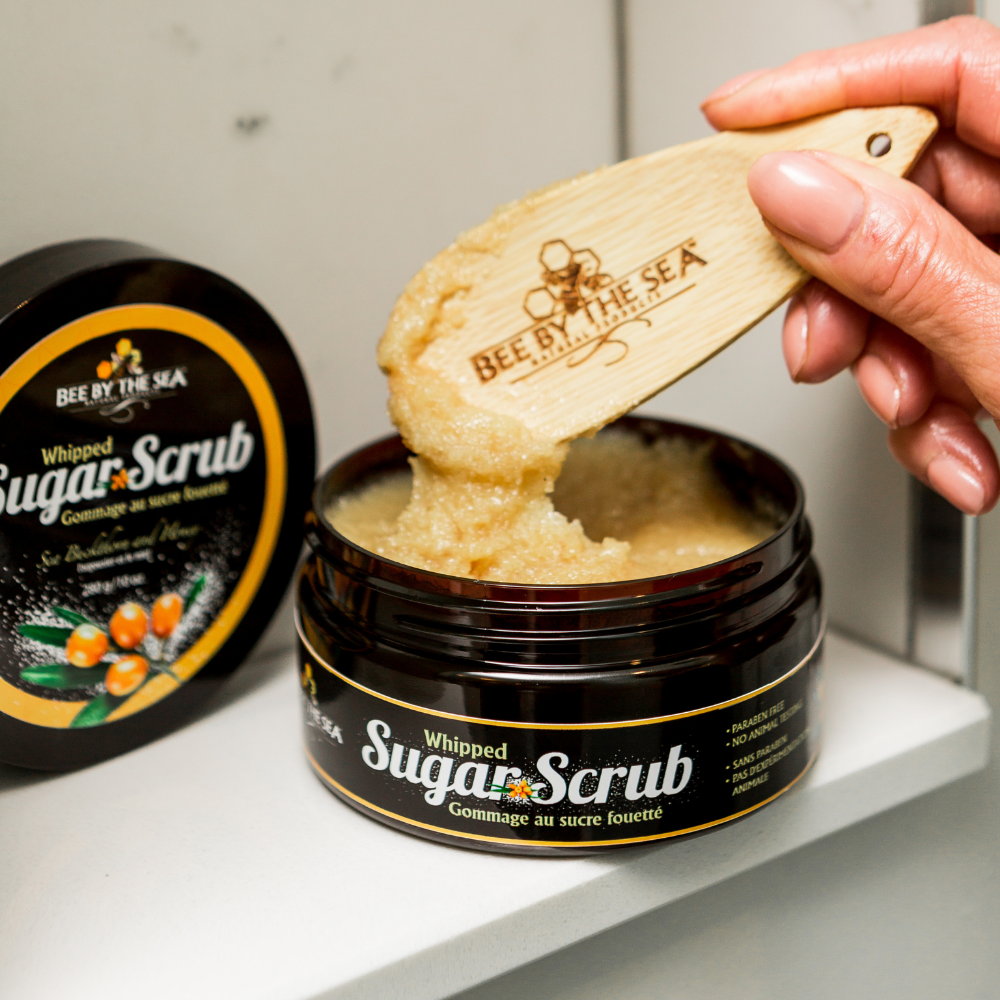
How Often Should You Use a Sugar Scrub?
Most people can use a sugar scrub one to two times a week. Using it daily is not recommended because frequent exfoliation can disturb the skin barrier and cause dryness or irritation.
People with sensitive or dry skin should start with once a week. Those with oily or thicker body skin may be able to use it twice a week. If the skin feels tight, itchy, red, or sore after scrubbing, reduce usage or stop using the product.
Can Sugar Scrub Be Used on the Face?
A sugar scrub can be used on the face only if it is made specifically for facial skin and has fine, gentle particles. Facial skin is thinner and more sensitive than body skin, so rough scrubs can cause micro-tears, irritation, or dryness.
Avoid using body sugar scrubs on the face. Also, do not use sugar scrub on active acne, cuts, sunburn, rashes, or irritated skin. If your skin is sensitive, chemical exfoliants recommended by a skincare professional may be a better option.
Best Areas to Use Sugar Scrub
Sugar scrubs are usually better suited for the body than the face. Common areas include:
Arms and Legs
Sugar scrub can help remove dry, rough skin and make the skin feel smoother.
Elbows and Knees
These areas often become darker or rougher due to dryness and friction. Gentle exfoliation can help improve texture.
Feet and Heels
Sugar scrub can soften dry feet, but very cracked heels may need a foot cream or professional care.
Hands
Using a sugar scrub on hands can help remove dryness, especially if followed by a good hand cream.
Mistakes to Avoid While Using Sugar Scrub
Do not scrub too hard. Strong pressure can irritate the skin instead of improving it. Also, avoid using sugar scrub every day, as over-exfoliation may make the skin dry and sensitive.
Do not apply scrub on broken skin, cuts, burns, rashes, or freshly waxed areas. Avoid exfoliating immediately after shaving if your skin feels sensitive. Also, do not mix too many exfoliating products in the same routine, such as scrubs, acids, and retinol, unless advised by a professional.
How to Choose the Right Sugar Scrub
Choose a sugar scrub based on your skin type and the area where you plan to use it. For dry skin, a scrub with moisturising ingredients such as oils or butter may be suitable. For sensitive skin, choose a mild scrub with fine particles and avoid strong fragrance.
For body use, slightly larger granules may be acceptable if used gently. For facial use, only choose a product clearly made for the face. Always do a patch test before using a new scrub, especially if your skin reacts easily.
Conclusion
The best way to exfoliate with a sugar scrub is to use it gently on damp skin, massage in circular motions, rinse properly, and apply moisturizer afterward. It should be used only one to two times a week, depending on your skin type.
Sugar scrub can help improve skin texture and remove surface dryness when used correctly. However, overuse or harsh scrubbing can damage the skin barrier. Choose the right scrub, avoid sensitive or broken areas, and keep your skincare routine simple for better results.