
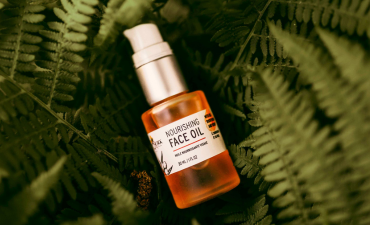
Summer skincare often focuses on lightweight products, oil control, hydration, and sun protection. Because of this, many people avoid face oils during hot and humid weather. The common concern is that face oil may feel heavy, make the skin greasy, or clog pores. However, when used correctly, face oil can still have a place in a summer skincare routine.
The question many people ask is, Can face oil be part of a summer skincare routine? The answer depends on your skin type, the type of oil used, the quantity applied, and how it fits with the rest of your skincare products. Face oil is not always necessary for everyone, but it can help support the skin barrier, reduce dryness, and seal in hydration when applied in the right way.
Understanding Face Oil in Skincare
Face oil is a skincare product made with plant-based oils, botanical oils, or oil blends designed for facial use. Unlike water-based serums or gel moisturizers, face oils mainly help soften the skin and reduce moisture loss from the surface.
A face oil does not replace sunscreen, cleanser, or water-based hydration. Instead, it works as a supportive product that can help maintain skin comfort. In summer, the goal is not to overload the skin but to use face oil in a controlled and suitable way.
Why People Avoid Face Oil in Summer
Many people avoid face oils during summer because the skin already feels oily or sweaty. Heat and humidity can increase shine, and heavier skincare products may feel uncomfortable. For oily or acne-prone skin, there is also a concern that applying oil may lead to clogged pores or breakouts.
These concerns are valid, especially if the wrong type of oil is used or too much product is applied. Thick oils, heavy layering, and poor cleansing can make the skin feel congested. However, lightweight and non-comedogenic face oils may work well for certain skin types, even in warmer months.
Can Face Oil Be Used in Hot Weather?
Yes, face oil can be used in hot weather, but it should be used carefully. During summer, less product is usually better. A few drops are often enough for the entire face. The oil should be applied after lightweight hydration and before sunscreen in the morning, or as the last step of the nighttime routine.
For daytime use, the texture should be light and quick-absorbing. For nighttime use, face oil can be used to support dry or tired skin after sun exposure, cleansing, or air conditioning.
Benefits of Face Oil in a Summer Skincare Routine
Helps Seal in Hydration
Summer heat can cause sweating, while air conditioning can make the skin feel dry. Face oil can help reduce water loss from the skin’s surface when applied over a hydrating serum or lightweight moisturizer. This can keep the skin feeling softer and more comfortable.
Supports the Skin Barrier
The skin barrier helps protect the skin from dryness, irritation, and environmental stress. Sun exposure, frequent cleansing, and harsh exfoliation can weaken this barrier. A suitable face oil may help support the barrier by improving surface softness and reducing dryness.
Adds Comfort to Dry Skin
People with dry or combination skin may still experience tightness in summer, especially after washing the face or spending time in air-conditioned spaces. A small amount of face oil can help reduce this discomfort without needing a heavy cream.
Can Improve Skin Texture
When used consistently and in the right quantity, face oil may help the skin feel smoother. It can soften rough areas and add a healthy-looking finish without making the skin appear overly greasy.\
Choosing the Right Face Oil for Summer
Look for Lightweight Oils
In summer, lightweight oils are usually easier to tolerate. Oils that absorb quickly and do not leave a thick layer are better suited for humid weather. Heavy oils may feel sticky and uncomfortable, especially during the day.
Check for Non-Comedogenic Options
If you have oily or acne-prone skin, choose oils that are less likely to clog pores. Product labels may mention non-comedogenic, lightweight, or suitable for acne-prone skin. It is also useful to patch test before applying the product to the full face.
Avoid Strong Fragrance
Fragrance may irritate sensitive skin, especially in hot weather when sweating is common. A simple face oil with fewer unnecessary additives may be better for sensitive or reactive skin.
Consider Your Skin Type
Dry skin may benefit from face oil more often, while oily skin may need it only occasionally. Combination skin can use oil only on dry areas, such as the cheeks, instead of applying it all over the face.
How to Apply Face Oil in Summer
Use Only a Few Drops
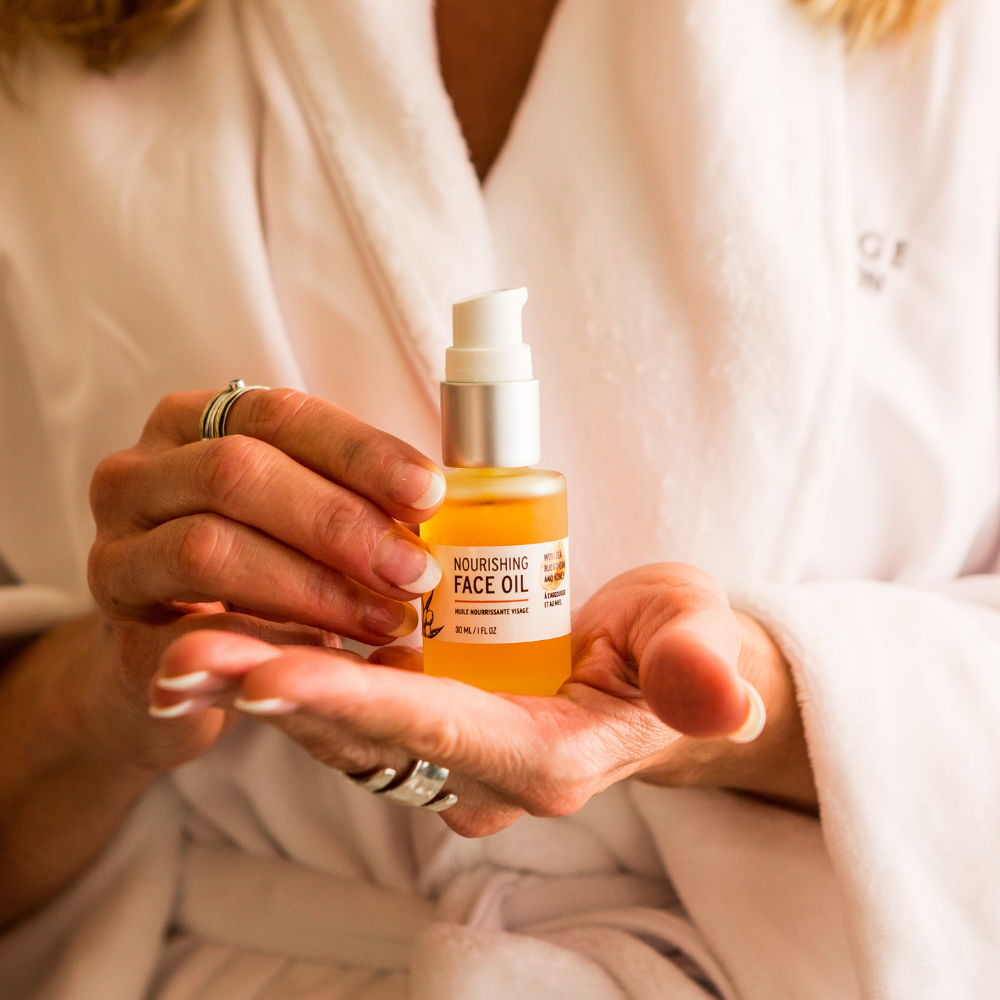
A common mistake is applying too much face oil. In summer, two to three drops are usually enough. Warm the oil between your palms and gently press it onto the skin instead of rubbing heavily.
Apply It at the Right Step
Face oil should usually be applied after water-based products. For example, after cleansing, you can apply a hydrating serum or lightweight moisturizer, then apply a small amount of oil. In the morning, sunscreen should still be the final step.
Use It More at Night
If face oil feels too heavy during the day, use it at night. Nighttime use allows the skin to benefit from the oil without discomfort from heat, sweat, or outdoor exposure.
Avoid Layering Too Many Products
A simple summer skincare routine works better for most people. Cleanser, lightweight moisturizer, sunscreen, and occasional face oil may be enough. Too many layers can make the skin feel greasy and may increase the chances of clogged pores.
Who Should Be Careful with Face Oil?
People with very oily skin, active acne, clogged pores, or frequent breakouts should be careful with face oil. This does not mean they can never use it, but they should choose the product carefully and start with a small amount.
Sensitive skin types should also patch test first. If redness, itching, burning, or breakouts appear, stop using the product. Anyone with a medical skin condition should consult a dermatologist before adding new products to their routine.
Face Oil and Sunscreen
Face oil should never replace sunscreen. Sunscreen is an essential part of a summer skincare routine because it helps protect the skin from harmful UV exposure. If using face oil in the morning, apply it before sunscreen and allow it to settle. Then apply a broad-spectrum sunscreen as the final step.
Using too much oil under sunscreen may affect how the sunscreen feels on the skin. For this reason, daytime oil application should be minimal.
Conclusion
Face oil can be part of a summer skincare routine when used in the right way. The key is to choose a lightweight product, apply only a few drops, and avoid heavy layering. It can be especially useful for dry, combination, or dehydrated skin that needs extra comfort during hot weather.
For oily or acne-prone skin, face oil should be used carefully and only if the product suits the skin. A balanced summer routine should focus on cleansing, hydration, sun protection, and minimal product use. When added thoughtfully, face oil can support the skin without making it feel heavy or greasy.