
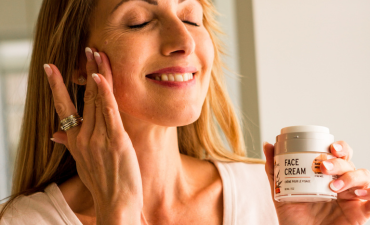
Summer can change the way your skin behaves. Heat, sweat, humidity, pollution, and sun exposure can make the skin feel oily, dull, sticky, or dehydrated. A face cream that works well in winter may feel heavy during summer. That is why choosing the right product becomes important for keeping the skin comfortable, fresh, and balanced.
Many people skip face cream in summer because they think their skin already feels oily. However, oiliness and hydration are not the same. Even oily skin can become dehydrated when exposed to heat, air conditioning, and frequent washing. The right summer face cream should provide lightweight hydration without clogging pores or making the skin greasy.
Why Face Cream Matters During Summer
A face cream helps support the skin barrier. The skin barrier protects the face from dryness, irritation, pollutants, and external stress. During summer, the skin may lose water through sweating and sun exposure. If the skin barrier becomes weak, the face may feel tight, rough, sensitive, or uneven.
Using a suitable face cream can help maintain moisture balance. It can also reduce dryness caused by cleansing, sun exposure, and indoor cooling. The key is to choose a formula that suits the season instead of using a heavy cream meant for colder months.
Choose Face Cream Based on Your Skin Type
Every skin type needs a different level of hydration. Before buying a face cream, it is important to understand how your skin behaves during summer.
For Oily Skin
Oily skin produces excess sebum, especially in hot weather. A thick cream may make the face feel greasy and may increase the chance of clogged pores. For oily skin, a lightweight gel-based or water-based cream is usually a better option.
Look for labels such as non-comedogenic, oil-free, or lightweight. Ingredients like hyaluronic acid, niacinamide, and aloe vera can help hydrate the skin without adding heaviness.
For Dry Skin
Dry skin may feel rough, tight, or flaky even in summer. This skin type needs a cream that gives enough moisture without feeling sticky. A light cream with ceramides, glycerin, squalane, or hyaluronic acid can help improve comfort.
Avoid very heavy creams during the day if they feel uncomfortable in heat. Instead, use a balanced formula in the morning and a richer cream at night if needed.
For Combination Skin
Combination skin can be oily in the T-zone and dry on the cheeks. A light lotion or gel-cream can work well for this skin type. You can also apply a smaller amount on oily areas and a little more on dry areas.
The goal is to balance hydration without making the forehead, nose, and chin look too shiny.
For Sensitive Skin
Sensitive skin may react quickly to heat, fragrance, alcohol, or harsh ingredients. Choose a face cream with a simple ingredient list. Fragrance-free and alcohol-free formulas are usually safer choices.
Soothing ingredients like aloe vera, panthenol, oat extract, and ceramides may help calm the skin. Always do a patch test before using a new product on the full face.
Look for Lightweight Texture
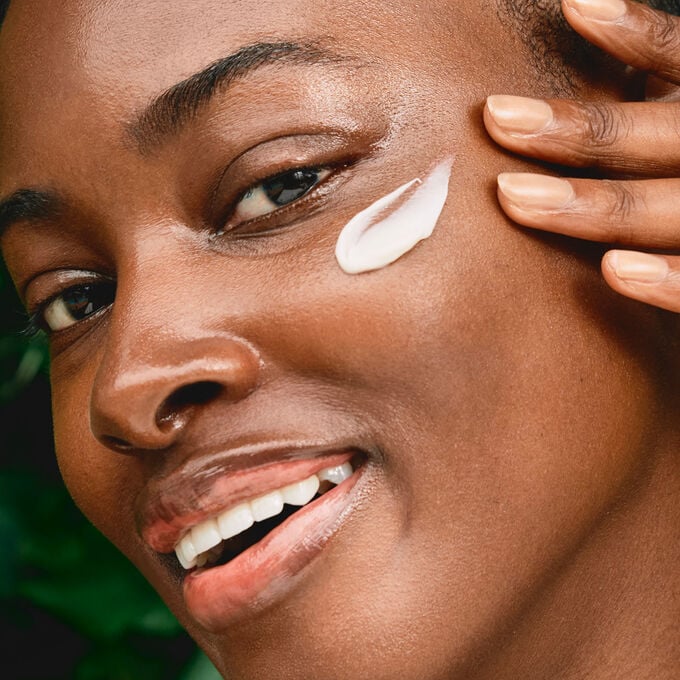
Texture plays an important role in summer skincare. Heavy creams may feel uncomfortable in hot and humid weather. Lightweight formulas absorb faster and leave less residue on the skin.
Gel creams, lotions, and water-based moisturisers are commonly preferred in summer. They provide hydration while keeping the skin breathable. A good summer face cream should feel comfortable after application and should not leave a thick layer on the face.
Check the Ingredient List Carefully
The ingredients in a face cream can decide how well it works for your skin. Instead of choosing a product only by packaging or claims, check what it contains.
Ingredients That Help in Summer
Hyaluronic acid helps attract water to the skin and keeps it hydrated. Glycerin supports moisture retention. Niacinamide can help with excess oil, uneven tone, and skin barrier support. Aloe vera and panthenol can help soothe the skin.
Ceramides are useful for maintaining the skin barrier, especially if your skin feels dry or irritated. These ingredients are suitable for many skin types when used in the right formula.
Ingredients to Be Careful With
Avoid face creams that feel too greasy or contain heavy oils if your skin is oily or acne-prone. Strong fragrance may irritate sensitive skin, especially in summer. Some alcohol-based formulas may feel cooling at first but can make the skin dry over time.
If you are prone to breakouts, check for non-comedogenic formulas and avoid creams that clog pores.
Do Not Replace Sunscreen with Face Cream
A face cream is not a replacement for sunscreen unless it clearly provides broad-spectrum sun protection and has an appropriate SPF. Even then, many people do not apply enough product to get proper protection.
For daytime summer skincare, use a face cream first and then apply sunscreen. Sunscreen helps protect the skin from UV rays, tanning, sunburn, and premature ageing signs. If your face cream contains SPF, it can be helpful, but a separate sunscreen is often better for reliable protection.
Match the Cream with Your Daily Routine
Your summer face cream should fit easily into your routine. In the morning, choose a lightweight cream that layers well under sunscreen. It should not pill, feel sticky, or make the skin look overly shiny.
At night, you can use a slightly more nourishing cream if your skin feels dry after cleansing. If you use active ingredients like retinol, exfoliating acids, or acne treatments, a barrier-supporting cream can help reduce dryness and irritation.
Test Before Regular Use
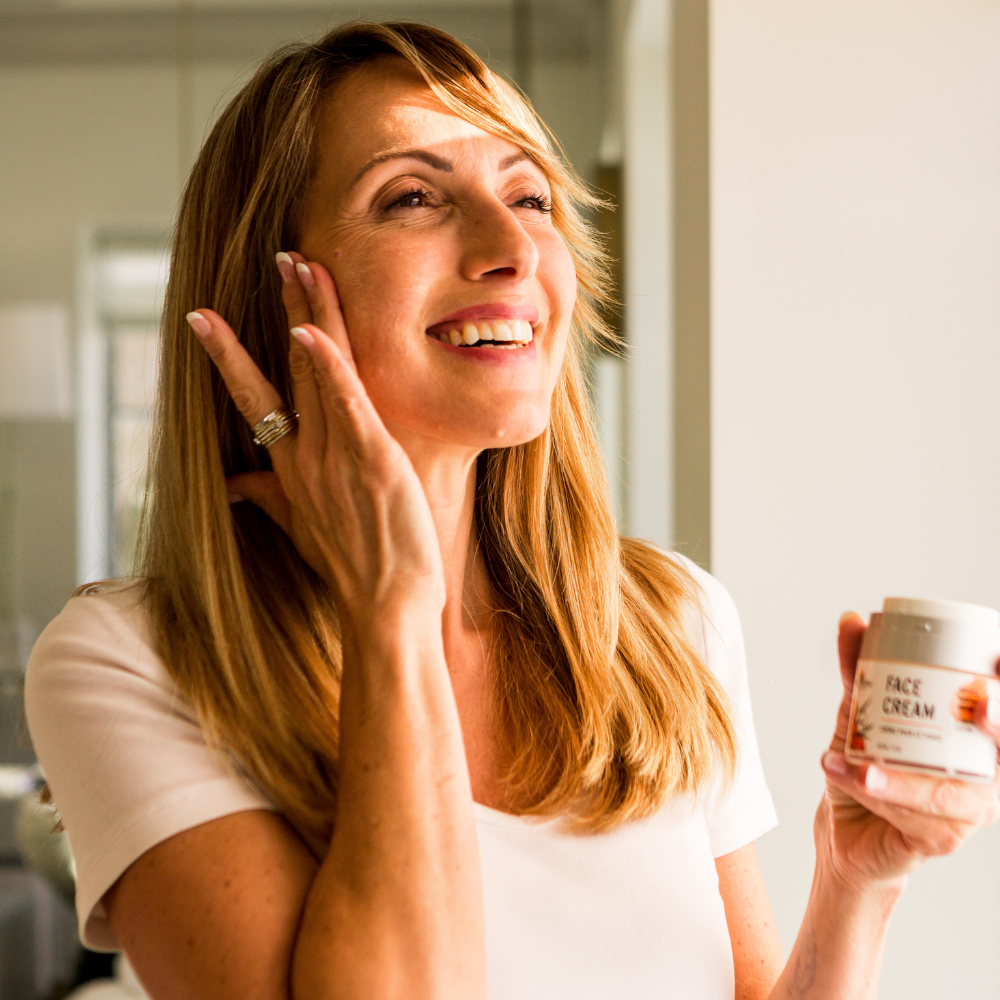
Before using a new face cream daily, test it on a small area of your skin. Apply it near the jawline or behind the ear for a day or two. If there is no redness, itching, burning, or breakout, you can start using it on the face.
Introduce only one new product at a time. This helps you understand whether the cream suits your skin or causes any reaction.
Common Mistakes to Avoid
One common mistake is using the same heavy winter cream during summer. Another is skipping moisturiser completely because the skin feels oily. Using too much product can also make the face sticky and uncomfortable.
Avoid choosing a face cream only because it is popular. What works for one person may not work for another. Skin type, weather, lifestyle, and sensitivity should all be considered before selecting a product.
Final Thoughts
Choosing the right face cream for summer is about balance. The product should hydrate the skin, feel light, support the skin barrier, and suit your skin type. Oily skin may need a gel-based cream, dry skin may need a light but nourishing formula, and sensitive skin may need a simple fragrance-free option.
When thinking about how to pick a face cream for summer skincare, focus on texture, ingredients, skin type, and comfort. A well-chosen face cream can keep your skin hydrated and fresh without making it greasy during hot weather.