
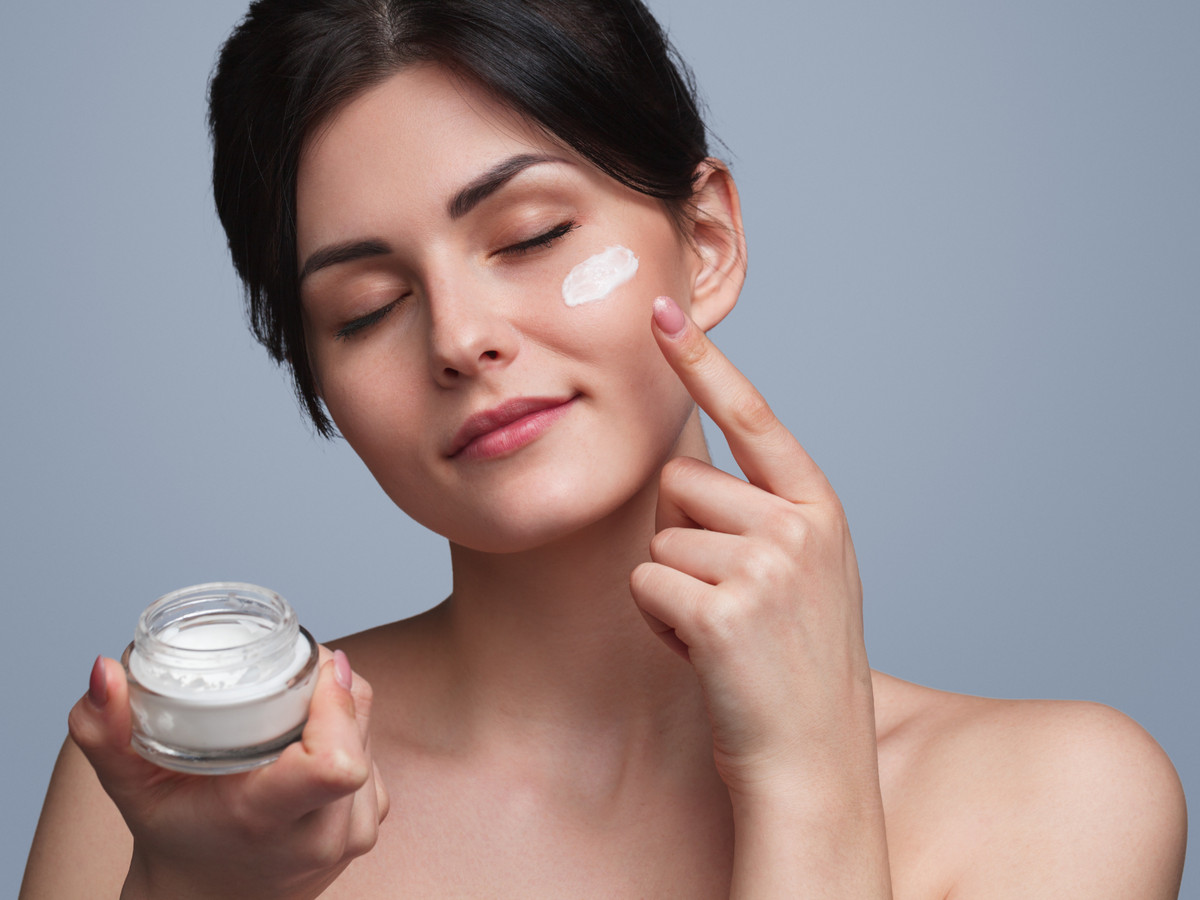
Night creams are formulated to support the skin while it rests and repairs overnight. During sleep, the skin naturally carries out renewal processes, making nighttime an appropriate period to use products designed for hydration, barrier support, and targeted skincare concerns.
Choosing the Best Night Cream for Glowing Skin: Dermatologist Recommended requires more than selecting a product based on packaging or popularity. The right formula should suit your skin type, address your main concerns, and contain ingredients that can be used consistently without causing irritation.
This guide explains how night creams work, which ingredients to look for, and how to choose a suitable product for a balanced and healthy-looking complexion.
What Is a Night Cream?
A night cream is a moisturising skincare product designed for use before bedtime. It is usually richer than a daytime moisturiser and may contain ingredients that support hydration, skin renewal, uneven tone, dryness, or early signs of ageing.
Unlike day creams, night creams generally do not contain sunscreen. They may also include active ingredients that are better suited for evening use because they can increase sensitivity to sunlight.
A well-formulated night cream can help reduce overnight moisture loss and support the skin’s natural barrier. However, results depend on the formula, regular use, and compatibility with the user’s skin type.
How Night Creams Support Glowing Skin
Glowing skin is often associated with adequate hydration, smooth texture, balanced tone, and a healthy skin barrier. Night creams may support these factors by providing moisture and delivering suitable active ingredients.
They Help Maintain Hydration
The skin can lose moisture overnight, especially in dry weather, air-conditioned rooms, or when the skin barrier is weakened. Ingredients such as glycerin, hyaluronic acid, ceramides, and squalane may help attract or retain moisture.
Well-hydrated skin usually appears smoother and less dull because light reflects more evenly from its surface.
They Support the Skin Barrier
The skin barrier protects against moisture loss and environmental irritants. When it becomes damaged, the skin may feel dry, rough, sensitive, or uncomfortable.
Night creams containing ceramides, fatty acids, cholesterol, panthenol, or niacinamide may help strengthen the barrier and improve skin comfort over time.
They Can Improve Texture and Uneven Tone
Certain night creams contain ingredients that support gentle exfoliation or cell turnover. These may help improve rough texture, dullness, post-acne marks, or uneven tone when used correctly.
Retinoids, lactic acid, glycolic acid, and azelaic acid are examples of ingredients commonly found in targeted nighttime products. Since these ingredients can cause irritation, they should be introduced gradually.
Ingredients to Look for in a Night Cream
The ingredients you choose should depend on your skin type and primary concern. A longer ingredient list does not always mean better results.
Hyaluronic Acid and Glycerin
Hyaluronic acid and glycerin are humectants that attract water to the skin. They are suitable for most skin types and can be especially helpful for dehydrated or tight-feeling skin.
For better moisture retention, humectants are often combined with emollients or occlusive ingredients.
Ceramides
Ceramides are naturally present in the skin barrier. Products containing ceramides may help reduce moisture loss and support dry, sensitive, or compromised skin.
They are generally considered suitable for regular use and can be paired with many other skincare ingredients.
Niacinamide
Niacinamide is a form of vitamin B3 that may support barrier function, improve uneven tone, and regulate excess oil. It is commonly included in night creams for combination, oily, or pigmentation-prone skin.
Higher concentrations are not always necessary. Moderate-strength formulas may be better tolerated by sensitive skin.
Retinol
Retinol is often used to improve fine lines, uneven texture, and pigmentation. It supports skin cell turnover and collagen-related processes, but it can also cause dryness, peeling, or irritation.
Beginners should start with a low-strength formula two or three nights per week. Retinol should not usually be introduced alongside multiple strong exfoliating products.
Peptides
Peptides are short chains of amino acids used in skincare products designed to support skin firmness and overall texture. They are often included in anti-ageing night creams and are generally well tolerated.
How to Choose a Night Cream for Your Skin Type
Selecting the right texture and ingredient combination is important for comfort and consistent use.
For Dry Skin
Dry skin may benefit from a richer cream containing ceramides, shea butter, squalane, glycerin, or hyaluronic acid. Look for fragrance-free formulas if the skin is also sensitive.
Avoid relying only on lightweight gel products, as they may not provide enough moisture retention for very dry skin.
For Oily or Acne-Prone Skin
Choose a lightweight, non-comedogenic night cream that does not feel greasy. Ingredients such as niacinamide, hyaluronic acid, or ceramides may provide hydration without making the skin feel heavy.
People using acne treatments should avoid adding too many active ingredients at once, as this can increase irritation.
For Sensitive Skin
Sensitive skin usually benefits from simple formulas with fewer active ingredients. Ceramides, panthenol, glycerin, colloidal oatmeal, and centella may help support comfort.
Fragrance, essential oils, and strong exfoliating ingredients may be unsuitable for easily irritated skin.
For Mature Skin
Mature skin may require a combination of hydration and targeted ingredients. Retinol, peptides, ceramides, antioxidants, and hyaluronic acid are commonly used in night creams for dryness, fine lines, and uneven texture.
The product should still be chosen according to tolerance rather than age alone.
How to Apply Night Cream Correctly
Cleanse the face with a gentle cleanser and pat the skin dry. Apply any prescribed treatment or lightweight serum first, followed by the night cream.
Use a small amount and spread it evenly across the face and neck. Applying excessive product will not necessarily improve results and may increase heaviness or irritation.
When using retinol or exfoliating acids, begin slowly and monitor the skin for dryness, redness, or discomfort. Sunscreen should be applied every morning because some nighttime ingredients can make the skin more sensitive to sunlight.
Common Mistakes to Avoid
One common mistake is choosing a product solely because it is described as suitable for glowing skin. Product claims should be reviewed alongside the ingredient list, skin type, and individual concerns.
Using several active ingredients in the same routine can also damage the skin barrier. Introduce one active product at a time and allow the skin to adjust.
Do not expect immediate changes. Hydration may improve quickly, but visible improvements in tone, texture, or fine lines can take several weeks of consistent use.
Conclusion
The right night cream should provide suitable hydration, support the skin barrier, and address specific concerns without causing persistent irritation. When searching for the best night cream for glowing skin, dermatologist-recommended, focus on proven ingredients, suitable texture, and compatibility with your existing routine.
People with persistent acne, pigmentation, eczema, or severe sensitivity should consult a dermatologist before introducing active ingredients. A simple and consistent nighttime routine is often more effective than using multiple products without a clear purpose.