

Summer can be challenging for the skin. Higher temperatures, humidity, sweat, excess oil and repeated sun exposure may leave the face looking greasy, tired or congested. People with oily and combination skin may notice clogged pores and frequent breakouts, while those with normal or dry skin may experience dehydration caused by heat and air conditioning.
A balanced summer skincare routine should cleanse the skin without stripping it, maintain hydration and protect the face from sun exposure. Adding a clay mask can also help manage excess oil and surface impurities. This is why the phrase “Summer Skincare Weapon? It’s A Cooling Clay Mask” reflects a practical approach to seasonal skincare rather than a complicated routine.
A cooling clay mask can offer a refreshing experience while helping the skin feel cleaner and less oily. However, it should be selected and used according to skin type to prevent dryness or irritation.
Why Does Skin Need Extra Care During Summer?
During summer, the skin may produce more sebum in response to heat and humidity. Sebum is the natural oil that protects the skin, but excessive production can make the face appear shiny and may contribute to blocked pores.
Sweat can also mix with oil, dirt, sunscreen and environmental particles. When these substances remain on the skin for long periods, they may increase congestion and discomfort.
Frequent face washing is not always the solution. Using strong cleansers several times a day may remove too much natural oil and weaken the skin barrier. In response, the skin may produce even more oil.
A summer skincare routine should therefore focus on gentle cleansing, lightweight hydration, sun protection and occasional deep cleansing.
What Is a Cooling Clay Mask?
A cooling clay mask is a skincare product formulated with mineral-based clays and ingredients that create a fresh or soothing sensation. Common clays include kaolin, bentonite and French green clay.
Clay works by absorbing excess surface oil and helping remove impurities from the skin. Depending on the formulation, a cooling clay mask may also contain ingredients such as aloe vera, cucumber extract, green tea, niacinamide or menthol.
The cooling effect can make the product feel refreshing, particularly after a hot day. However, the cooling sensation itself does not necessarily indicate stronger cleansing or better results. The overall formula, ingredient concentration and suitability for the skin type are more important.
Kaolin Clay
Kaolin is generally considered a milder clay. It helps absorb excess oil without being as drying as some stronger clay types. It may be suitable for normal, combination and mildly oily skin.
Bentonite Clay
Bentonite clay has strong oil-absorbing properties. It may be useful for very oily skin, but it can feel drying when applied too frequently or left on for too long.
Soothing Ingredients
Ingredients such as aloe vera, cucumber and green tea may help reduce the tight or uncomfortable feeling that some clay masks cause. Humectants such as glycerin can also help maintain moisture.
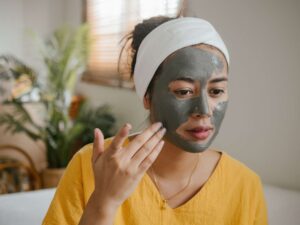
Benefits of Using a Cooling Clay Mask in Summer
A cooling clay mask may support summer skincare in several ways.
Helps Control Excess Oil
One of the primary benefits of clay is its ability to absorb excess oil from the skin’s surface. This can temporarily reduce shine and leave the face feeling cleaner.
Supports Pore Cleansing
Clay masks can help remove oil, sunscreen residue and surface impurities that collect around the pores. Although masks cannot permanently reduce pore size, cleaner pores may appear less noticeable.
Refreshes Tired-Looking Skin
The cooling sensation can feel soothing after exposure to heat. Washing away sweat and surface buildup may also make the skin appear fresher.
Improves Skincare Application
When excess oil and residue are removed, lightweight moisturisers and serums may spread more evenly. However, the mask should not be used immediately before applying strong exfoliating ingredients.
How to Use a Cooling Clay Mask Correctly
Begin by cleansing the face with a gentle cleanser. Pat the skin dry and apply a thin, even layer of the mask, avoiding the eye area and lips.
Follow the usage time mentioned on the product label. Most clay masks are left on for approximately 10 to 15 minutes. Do not wait until the mask becomes extremely dry, cracked or uncomfortable.
Rinse with lukewarm water and avoid scrubbing the skin aggressively. Follow with a hydrating serum or lightweight moisturiser to reduce dryness.
For most skin types, using a clay mask once or twice a week is sufficient. Daily use may disrupt the skin barrier.
Choosing a Mask Based on Skin Type
Oily skin may benefit from kaolin or bentonite clay combined with niacinamide or green tea. Combination skin can use the mask mainly on oily areas such as the forehead, nose and chin.
Dry or sensitive skin should look for milder clay formulas containing glycerin, aloe vera or ceramides. Fragrance, alcohol and strong cooling agents may irritate reactive skin.
People with active eczema, damaged skin, severe acne or sunburn should avoid using a clay mask without professional advice.
Common Mistakes to Avoid
Leaving the mask on until it fully cracks is a common mistake. This may remove too much moisture and cause tightness.
Another mistake is applying exfoliating acids, retinoids or scrubs immediately after masking. Combining several intensive products may lead to redness or irritation.
A clay mask should also not replace sunscreen. During summer, a broad-spectrum sunscreen remains essential for protecting the skin from ultraviolet exposure.
Conclusion
A cooling clay mask can be a useful addition to a simple summer skincare routine. It may help manage excess oil, remove surface impurities and provide a refreshing sensation after exposure to heat and humidity.
The key is to choose a suitable formula, limit usage and restore hydration after rinsing. When used alongside gentle cleansing, moisturising and regular sunscreen application, a clay mask can support cleaner, more balanced and comfortable-looking skin throughout summer.