
A proper cleansing routine is an important part of daily skincare. Throughout the day, the skin collects oil, sweat, dust, sunscreen, makeup, and environmental impurities. When these substances remain on the face for long periods, they may contribute to clogged pores, dullness, uneven texture, and occasional breakouts.
A foaming face wash is commonly used to remove these impurities while leaving the skin feeling clean and refreshed. It creates a light lather when mixed with water, helping the cleanser spread evenly across the face. However, the effectiveness of a foaming cleanser depends on its ingredients, formulation, and suitability for the user’s skin type.
The gentle benefits of foaming face wash for your skin include effective cleansing, removal of excess oil, improved skin freshness, and support for a balanced skincare routine. Choosing a mild formula and using it correctly can help cleanse the skin without causing unnecessary dryness or discomfort.
What Is a Foaming Face Wash?
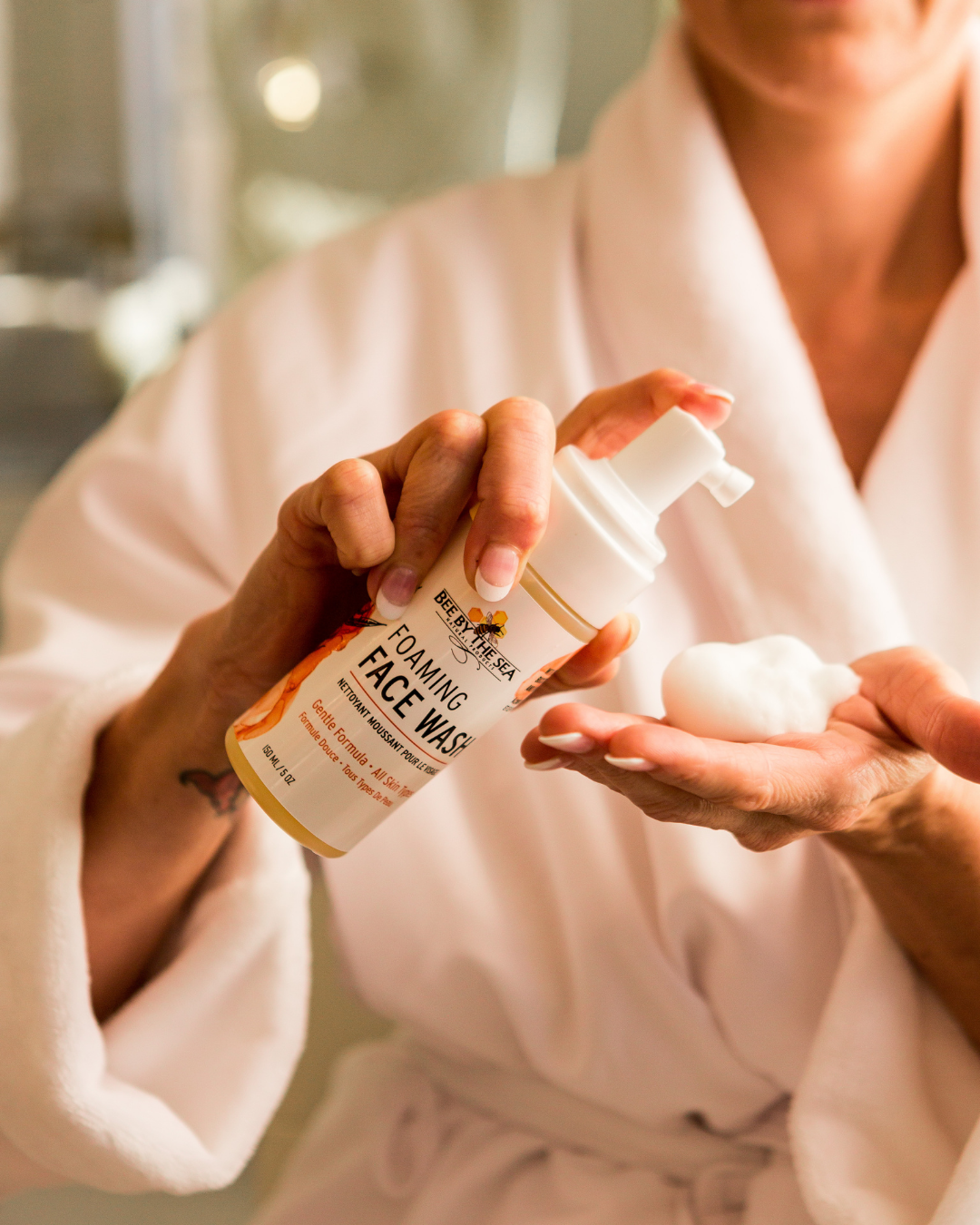
A foaming face wash is a water-based facial cleanser that produces foam or lather during use. Some products create foam when rubbed between wet hands, while others dispense foam directly through a pump bottle.
The foam helps lift dirt, oil, and surface impurities from the skin. These cleansers are often preferred by people who enjoy a fresh and thoroughly cleansed feeling after washing their face.
Foaming cleansers may contain surfactants, which are cleansing agents that allow oil and water to mix. This helps remove oily residue during rinsing. Mild surfactants are generally more suitable for regular facial cleansing than harsh cleansing agents that may weaken the skin barrier.
Key Benefits of Using a Foaming Face Wash
Removes Excess Oil
One of the main benefits of a foaming face wash is its ability to remove excess sebum from the skin’s surface. Sebum is the natural oil produced by the skin to maintain moisture and protection.
When too much oil combines with dead skin cells and impurities, it may block pores. A suitable foaming cleanser can help remove this excess oil without leaving a heavy residue.
People with oily or combination skin may find foaming cleansers particularly useful for managing shine around the forehead, nose, and chin.
Cleans Away Dirt and Impurities
Daily exposure to pollution, dust, and environmental particles can affect the appearance and condition of the skin. A foaming face wash helps loosen these impurities so they can be rinsed away.
Regular cleansing can help prevent the accumulation of debris on the skin. This may support clearer-looking pores and a smoother facial surface.
Cleansing is especially important in the evening because it removes impurities collected during the day.
Helps Remove Sunscreen and Light Makeup
Sunscreen is essential for protecting the skin from ultraviolet exposure, but it should be removed properly at the end of the day. A foaming face wash may help cleanse water-based sunscreen and light makeup from the face.
However, heavy, waterproof, or long-wearing makeup may require a separate makeup remover or oil-based cleanser before using a foaming face wash. This two-step process is commonly known as double cleansing.
Leaves the Skin Feeling Fresh
The light lather created by a foaming cleanser can provide a clean and refreshed feeling. This makes it a suitable option for morning cleansing, post-workout skincare, or evening routines.
A mild formulation should leave the skin comfortable rather than tight. If the face feels excessively dry or stretched after cleansing, the product may be too harsh for the skin type.
Supports a Consistent Skincare Routine
Cleansing prepares the skin for the next steps in a skincare routine. Removing dirt and excess oil allows products such as toners, serums, moisturisers, and treatments to be applied to clean skin.
Although cleansing does not increase the effectiveness of every product, it prevents skincare products from being layered over sweat, oil, or surface impurities.
A consistent cleansing routine may also make it easier to observe how the skin responds to different skincare products.
Is Foaming Face Wash Suitable for Every Skin Type?
Foaming face washes are often associated with oily skin, but modern formulas are available for different skin types. The suitability of a cleanser depends more on its ingredients than on the amount of foam it produces.
Oily and Combination Skin
People with oily or combination skin may benefit from a cleanser that removes excess sebum without stripping the skin. Ingredients such as salicylic acid may help cleanse pores, while niacinamide may support oil balance.
However, active ingredients should be introduced carefully to avoid irritation.
Dry Skin
People with dry skin should choose a hydrating foaming cleanser containing ingredients such as glycerin, ceramides, hyaluronic acid, or panthenol.
The cleanser should be free from harsh detergents and should not leave the skin feeling tight after rinsing.
Sensitive Skin
Sensitive skin requires a simple and gentle formula. Fragrance-free products with mild cleansing agents may reduce the possibility of discomfort.
A patch test can help determine whether a new cleanser is suitable before applying it regularly to the entire face.
How to Use a Foaming Face Wash Correctly
Begin by washing your hands to prevent transferring dirt to the face. Wet the skin with lukewarm water, as very hot water may increase dryness.
Take a small amount of cleanser and gently massage it over the face using circular motions. Avoid aggressive rubbing, especially around the eyes. Cleanse for approximately 30 to 60 seconds before rinsing thoroughly.
Pat the face dry with a clean towel instead of rubbing it. Follow with a moisturiser suited to your skin type. During the daytime, apply sunscreen after moisturising.
Most people can use a face wash twice daily. However, people with very dry or sensitive skin may prefer cleansing once in the evening and rinsing with water in the morning.
Ingredients to Look for in a Gentle Foaming Cleanser
A suitable foaming face wash may include hydrating and skin-supporting ingredients. Glycerin attracts moisture, while ceramides help maintain the skin barrier. Aloe vera and panthenol may provide a soothing effect.
People with oily or acne-prone skin may consider products containing salicylic acid, but frequent use may not suit everyone. Avoid formulas that rely heavily on strong fragrance, alcohol, or harsh detergents if the skin is sensitive.
Conclusion
A foaming face wash can be a useful part of a daily skincare routine when the formulation matches the user’s skin type. It can remove excess oil, dirt, sunscreen, sweat, and surface impurities while leaving the face feeling refreshed.
The most important factor is choosing a mild cleanser that supports the skin barrier rather than stripping away natural moisture. By using lukewarm water, avoiding excessive rubbing, and applying moisturizer after cleansing, users can gain the cleansing benefits of foam without causing unnecessary dryness.