

Facial oils have become a useful part of many skincare routines because they help support the skin’s natural moisture barrier and reduce dryness. Unlike moisturizers, which usually combine water and oil-based ingredients, facial oils mainly focus on sealing in moisture and softening the skin.
A well-formulated nourishing facial oil may be suitable for dry, normal, combination, and mature skin types. Some lightweight oils can also work for oily or acne-prone skin when selected carefully. However, the results depend on the ingredients, skin type, and method of application.
What Is a Nourishing Facial Oil?
A nourishing facial oil is a skincare product made from plant-derived oils, synthetic emollients, or a combination of both. It is designed to improve softness, support hydration, and protect the skin from moisture loss.
Common facial oil ingredients include jojoba oil, rosehip oil, squalane, argan oil, marula oil, sunflower seed oil and almond oil. Some formulas may also contain vitamin E, antioxidants, or botanical extracts.
Facial oils do not directly add water to the skin. Instead, they create a light protective layer that helps reduce the evaporation of existing moisture. For this reason, they are often most effective when applied after a hydrating serum or moisturizer.
Key Benefits of Nourishing Facial Oil
Helps Reduce Dryness
One of the main benefits of facial oil is its ability to soften dry and rough skin. Oils act as emollients, filling small gaps between skin cells and improving the overall feel of the skin.
People with flaky or tight skin may find facial oil particularly useful during winter, after cleansing or in air-conditioned environments.
Supports the Skin Barrier
The skin barrier helps protect the body from external irritants while preventing excessive moisture loss. Factors such as harsh cleansers, frequent exfoliation, low humidity and sun exposure may weaken this barrier.
Facial oils containing fatty acids and lipids can help support the skin’s protective layer. Regular use may reduce tightness and improve skin comfort.
Improves Skin Texture
Facial oil can make the skin feel smoother by reducing roughness and improving surface softness. When used consistently, it may also give the face a more even and conditioned appearance.
However, facial oils should not be treated as a replacement for products that address concerns such as pigmentation, acne or fine lines. They work best as supportive products within a complete skincare routine.
Adds a Natural-Looking Finish
A small amount of facial oil may give the skin a healthy-looking finish without relying on heavy makeup. It can also be mixed with foundation or applied to dry areas before makeup to prevent a patchy appearance.
Using too much oil may make the face look greasy, so careful application is important.
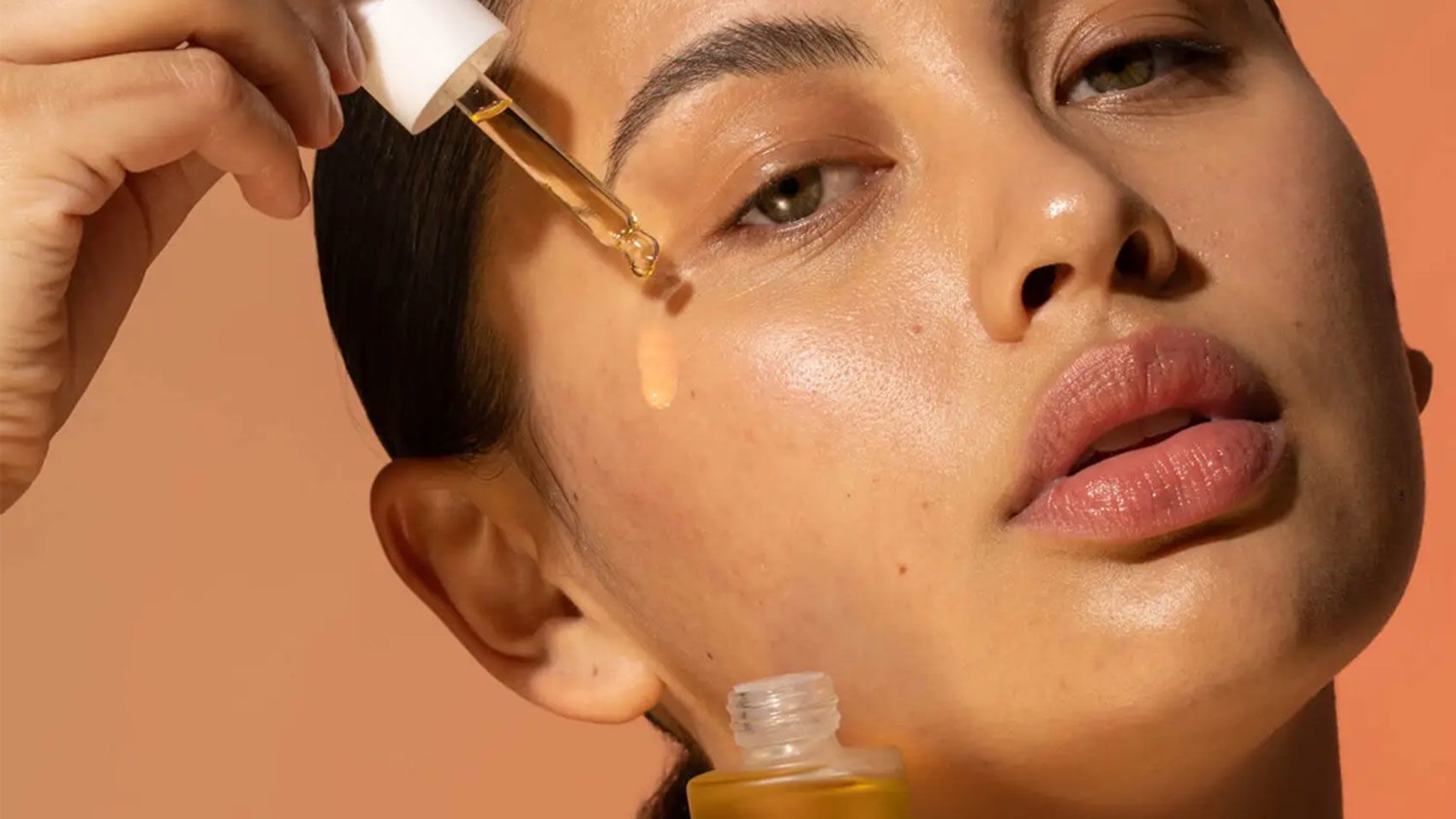
How to Use Facial Oil in a Skincare Routine
Step 1: Cleanse the Face
Begin with a gentle cleanser suitable for your skin type. Cleansing removes dirt, sunscreen, excess oil and makeup, allowing other skincare products to spread more evenly.
Avoid using very hot water, as it may increase dryness and irritation.
Step 2: Apply Water-Based Products
After cleansing, apply toner, essence or serum if these products are part of your routine. Water-based products should generally be applied before oil-based products because lighter formulas absorb more easily.
Ingredients such as hyaluronic acid, glycerin and panthenol can provide hydration before the oil is used to seal it in.
Step 3: Apply Moisturiser
For dry or dehydrated skin, apply a moisturiser before facial oil. This helps provide both water and moisturising ingredients to the skin.
Some people with normal or combination skin may use facial oil without a separate moisturiser, but this depends on the formula and individual skin needs.
Step 4: Use Two to Three Drops of Oil
Place two or three drops of oil onto clean fingertips. Rub the fingertips together gently and press the oil onto the face and neck.
Avoid rubbing aggressively. A pressing or patting motion helps distribute the product without pulling the skin.
Step 5: Use Sunscreen During the Day
Facial oil does not provide reliable sun protection unless it is specifically formulated and tested as a sunscreen. During the daytime, apply a broad-spectrum sunscreen as the final skincare step.
When Should Facial Oil Be Applied?
Facial oil can be used in the morning, evening or both, depending on skin type.
People with dry skin may prefer using it twice daily, while those with combination or oily skin may find nighttime application sufficient. During the morning, use only a small amount to avoid interfering with sunscreen or makeup.
At night, facial oil can be used as the final step to reduce overnight moisture loss.
Choosing the Right Facial Oil for Your Skin Type
Dry skin may benefit from richer oils such as argan, marula or almond oil. Normal skin may respond well to jojoba or squalane, while combination skin may prefer lightweight and fast-absorbing formulas.
Acne-prone skin requires additional care. Non-comedogenic oils such as squalane or jojoba may be more suitable, but individual reactions can vary. Patch testing is recommended before applying a new oil to the entire face.
Sensitive skin should avoid formulas containing strong fragrance, essential oils or multiple botanical extracts, as these may cause irritation.
Common Mistakes to Avoid
Using too much facial oil is a common mistake. More product does not always provide better results and may leave the skin feeling heavy.
Applying facial oil before water-based serum can also reduce the absorption of lighter products. Oils should generally be used near the end of the routine.
People should also avoid assuming that natural oils are automatically suitable for every skin type. Even plant-derived ingredients may cause irritation or blocked pores in some individuals.
Conclusion
Nourishing Facial Oil: Uses, Benefits and Skincare Instructions can help people understand how facial oils support hydration, improve softness, and protect the skin from moisture loss. The product is most effective when selected according to skin type and used in the correct order.
A few drops applied after serum or moisturizer are usually sufficient. Consistent use, patch testing, and daytime sun protection can help facial oil fit safely into a balanced skincare routine.