
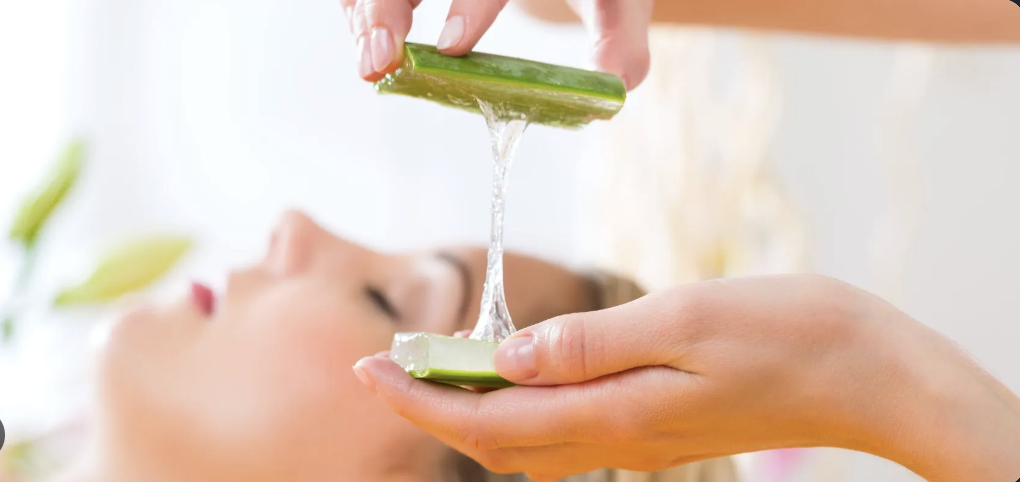
Spending time outdoors can expose the skin to strong sunlight, heat, and environmental pollutants. Prolonged sun exposure may lead to redness, dryness, uneven tone, irritation, and visible tanning. While sunscreen remains the first line of protection, after-sun skincare is equally important for calming the skin and supporting its natural recovery process.
Aloe vera is widely used in skincare because of its lightweight texture, cooling feel, and moisturizing properties. It can help soothe sun-exposed skin, reduce discomfort, and restore lost hydration. Regular use may also support a more even-looking complexion by helping the skin recover from dryness and surface damage.
What Happens to Skin After Sun Exposure?
Sunlight contains ultraviolet rays that can affect the skin when exposure is prolonged or frequent. Even when the skin does not appear visibly burned, it may feel warm, tight, dry, or sensitive after spending several hours outdoors.
Common signs of sun-exposed skin include:
- Redness or mild irritation
- Dryness and rough texture
- A warm or uncomfortable feeling
- Uneven skin tone
- Visible tanning
- Increased sensitivity
- Flaking in severely dry areas
Tanning occurs when the skin produces more melanin in response to ultraviolet exposure. It is a natural defense mechanism, but it can leave the complexion looking darker or uneven. Proper after-sun care can help reduce dryness and support gradual improvement in skin tone.
Why Aloe Vera Is Used for After-Sun Care
Aloe vera gel contains a high amount of water, making it suitable for hydrating skin that feels dry after sun exposure. Its cooling texture can provide temporary relief from heat and discomfort.
Helps Calm Sun-Exposed Skin
Fresh aloe vera gel or a well-formulated aloe-based skincare product can create a cooling sensation when applied to the skin. This may help calm mild redness, tightness and irritation caused by heat and sunlight.
Aloe vera should not be treated as a medical solution for serious sunburn. However, it may support comfort and hydration in cases of mild sun exposure.
Supports Skin Hydration
Sun exposure can weaken the skin’s moisture balance, making it feel dry and rough. Aloe vera acts as a humectant, which means it helps attract and retain moisture on the skin’s surface.
Applying aloe vera after cleansing may help the skin feel softer and less tight. It can also be followed by a moisturiser to prevent moisture loss.
Improves the Appearance of Uneven Tone
Aloe vera does not remove a tan immediately. However, its moisturising and soothing effects may support the skin’s natural renewal process. With consistent use, the skin may appear smoother and more even.
For better de-tan care, aloe vera can be combined with gentle skincare ingredients such as niacinamide, vitamin C or lactic acid. These ingredients should be introduced gradually to avoid irritation.
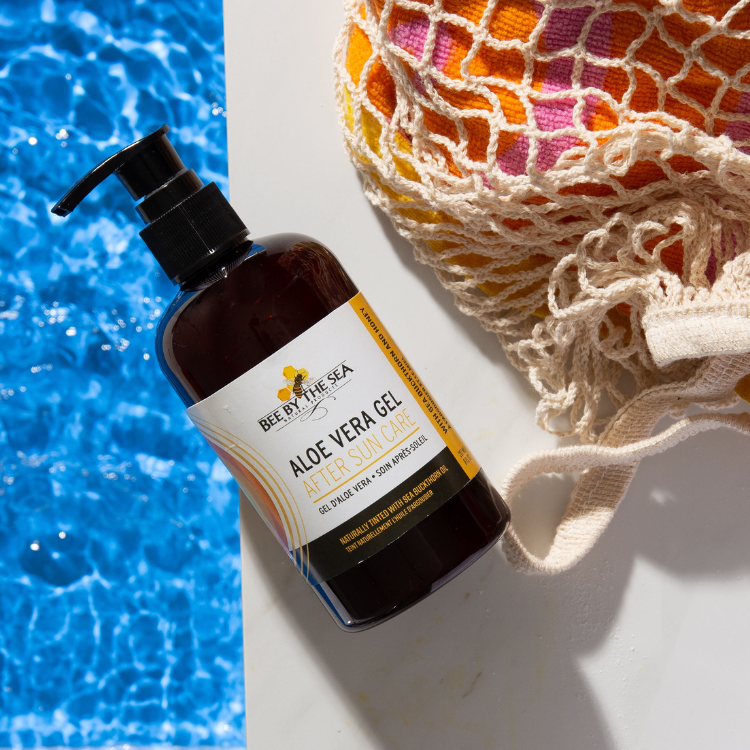
How to Use Aloe Vera After Sun Exposure
A simple routine is usually more suitable for skin that feels sensitive after sun exposure. Avoid using multiple active ingredients immediately, as this may increase irritation.
Step 1: Cleanse Gently
Wash the face or body with cool or lukewarm water. Use a mild cleanser that does not contain harsh exfoliating particles or strong fragrance. Avoid hot water, as it may worsen dryness and discomfort.
Pat the skin dry using a soft towel instead of rubbing it.
Step 2: Apply Aloe Vera Gel
Take a small amount of aloe vera gel and spread it gently over the affected areas. Apply a thin, even layer without massaging aggressively.
Choose an aloe vera product with a simple ingredient list. Products containing large amounts of alcohol, artificial colour or strong fragrance may irritate sensitive skin.
Step 3: Follow With Moisturiser
Once the aloe vera gel has absorbed, apply a fragrance-free moisturiser. Look for ingredients such as ceramides, glycerine, squalane or hyaluronic acid.
This step helps strengthen the skin barrier and reduces moisture loss.
Step 4: Reapply Sunscreen
After-sun care will not be effective if the skin continues to receive unprotected sun exposure. Apply a broad-spectrum sunscreen with at least SPF 30 every morning.
Reapply sunscreen every two to three hours when outdoors, especially after sweating or swimming.
How to Use Aloe Vera for De-Tan Skincare
A sun tan usually fades gradually as skin cells renew. Aloe vera may support this process by keeping the skin hydrated and reducing dryness.
For facial use, apply aloe vera gel once or twice daily, depending on skin tolerance. During the daytime, always follow it with sunscreen. At night, it can be used before moisturiser.
For the body, aloe vera may be applied to the arms, neck, shoulders, feet and other sun-exposed areas. Consistency is more important than using excessive quantities.
Avoid using lemon juice, baking soda or harsh scrubs for de-tanning. These home remedies can damage the skin barrier and increase sensitivity.
Can Aloe Vera Be Combined With Other Ingredients?
Aloe vera can be included alongside several common skincare ingredients. However, products should be introduced one at a time.
Suitable combinations may include:
- Aloe vera and niacinamide for uneven-looking skin
- Aloe vera and hyaluronic acid for added hydration
- Aloe vera and ceramides for barrier support
- Aloe vera and vitamin C for dull-looking skin
- Aloe vera and gentle exfoliating acids for gradual skin renewal
Avoid strong exfoliation when the skin is red, peeling or painful. Wait until the skin has fully recovered before using acids, retinoids or physical scrubs.
Precautions to Follow
Although aloe vera is generally well tolerated, it may not suit every skin type. Perform a patch test before applying it to the entire face or body.
Stop using the product if you notice itching, swelling, rashes or increased redness. Seek medical advice for severe sunburn, blistering, fever, dizziness or intense pain.
Fresh aloe vera taken directly from the plant should be cleaned properly. The yellow latex near the leaf’s outer layer may irritate the skin, so commercially prepared and tested formulations may be more convenient.
Conclusion
Aloe vera can be a practical addition to an after-sun skincare routine because it helps cool, hydrate and comfort sun-exposed skin. It may also support gradual improvement in dryness, roughness and uneven-looking tone.
For effective recovery, combine aloe vera with a gentle cleanser, moisturiser and daily broad-spectrum sunscreen. Avoid harsh de-tan remedies and allow the skin time to renew naturally. Consistent sun protection remains essential for preventing further tanning and maintaining an even-looking complexion.