
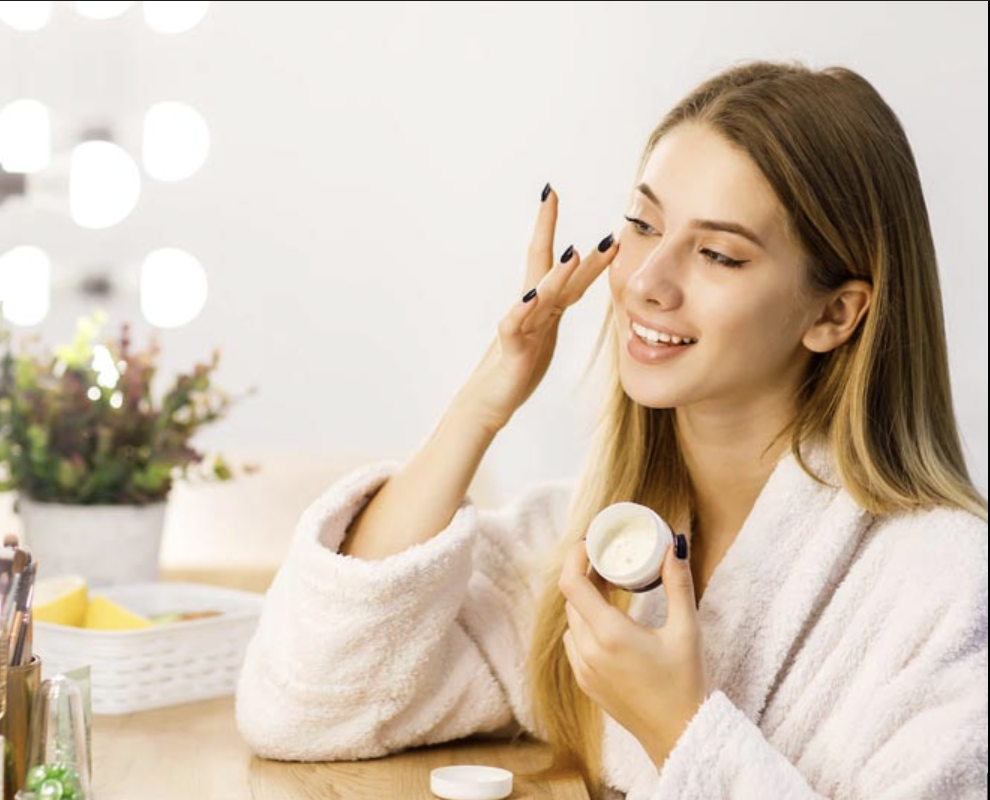
A consistent nighttime skincare routine can support the skin’s natural repair process and help maintain moisture, texture, and overall appearance. While cleansers and serums often receive more attention, night cream plays an important role in reducing dryness and supporting the skin barrier while you sleep.
This comprehensive guide to night cream explains how night creams work, why they differ from day creams, which ingredients to look for, and how to use them correctly. Understanding these factors can help you choose a suitable product based on your skin type and skincare needs.
What Is a Night Cream?
A night cream is a moisturising skincare product designed specifically for use before bedtime. It is usually thicker and richer than a daytime moisturiser because it does not need to sit well under sunscreen or makeup.
Night creams are formulated to provide prolonged hydration and support the skin during its overnight renewal cycle. Depending on the formula, they may contain ingredients that address dryness, uneven texture, dullness, fine lines, or a weakened moisture barrier.
Although night cream cannot permanently change the skin overnight, regular use may help improve softness, hydration, and overall comfort.
How Is Night Cream Different from Day Cream?
Day creams are generally lighter in texture and are often formulated to work well under sunscreen and makeup. Some may also contain sun protection ingredients, although a separate broad-spectrum sunscreen is still recommended.
Night creams usually contain more nourishing and moisture-retaining ingredients. They may also include active ingredients that are better suited for nighttime use, such as retinoids or exfoliating acids.
The main differences include:
Texture and Consistency
Night creams are often thicker and more emollient, while day creams tend to be lightweight and fast-absorbing.
Sun Protection
Day creams may contain SPF, whereas night creams usually do not because sun protection is not required while sleeping.
Active Ingredients
Night creams may include ingredients that support skin renewal, hydration, and texture improvement. Some of these ingredients can make the skin more sensitive to sunlight, which is why they are commonly recommended for evening use.

Benefits of Using Night Cream
Adding a suitable night cream to your routine may provide several skincare benefits.
Supports Overnight Hydration
The skin can lose moisture during the night, especially in air-conditioned rooms or dry weather. Night cream helps reduce moisture loss by forming a protective layer on the skin.
Humectants such as glycerin and hyaluronic acid attract water, while emollients and occlusives help retain it.
Helps Maintain the Skin Barrier
The skin barrier protects against environmental exposure and prevents excessive water loss. Ingredients such as ceramides, fatty acids, and squalane may help support this protective function.
A healthy skin barrier may reduce dryness, tightness, flaking, and sensitivity.
Improves Skin Softness
Regular moisturisation can make rough or dehydrated skin feel smoother. Night creams with nourishing oils, shea butter, or ceramides may help improve softness over time.
Supports an Even-Looking Texture
Some night creams contain niacinamide, retinol, peptides, or mild exfoliating ingredients. These ingredients may help improve the appearance of uneven texture when used consistently and correctly.
Reduces the Appearance of Dryness
Night cream can help minimise the visible signs of dry skin, including dullness, rough patches, and fine dehydration lines.
Key Ingredients to Look for in a Night Cream
The right ingredients depend on your skin type and primary skincare concern.
Hyaluronic Acid
Hyaluronic acid is a humectant that helps attract moisture to the skin. It is suitable for most skin types, including oily and sensitive skin.
Ceramides
Ceramides are naturally present in the skin barrier. Products containing ceramides may help strengthen moisture retention and reduce dryness.
Niacinamide
Niacinamide is a form of vitamin B3. It may help support the skin barrier, improve uneven tone, and regulate excess oil.
Retinol
Retinol is commonly used to address fine lines, uneven texture, and signs of ageing. It should be introduced gradually because it may cause dryness or irritation.
Pregnant or breastfeeding individuals should consult a healthcare professional before using retinoid-based products.
Peptides
Peptides are short chains of amino acids that may help support the skin’s structure and improve its firm appearance.
Squalane
Squalane is a lightweight emollient that helps soften the skin without leaving a heavy, greasy texture. It can be suitable for dry, combination, and sensitive skin.
How to Choose a Night Cream for Your Skin Type
Choosing the right texture and formulation can reduce the risk of irritation or clogged pores.
For Dry Skin
Look for rich creams containing ceramides, shea butter, squalane, glycerin, or nourishing plant oils. Avoid formulas with high levels of drying alcohol.
For Oily or Acne-Prone Skin
Choose a lightweight, non-comedogenic gel cream or lotion. Ingredients such as niacinamide, hyaluronic acid, and ceramides may provide hydration without feeling heavy.
For Combination Skin
A balanced cream with lightweight hydration may work well. You can apply a smaller amount to oily areas and slightly more to dry areas.
For Sensitive Skin
Select fragrance-free formulas with minimal ingredients. Ceramides, colloidal oatmeal, panthenol, and squalane may help reduce discomfort.
For Mature Skin
Look for night creams containing retinol, peptides, ceramides, antioxidants, or hyaluronic acid. Introduce active ingredients slowly to minimise irritation.
How to Apply Night Cream Correctly
Use night cream as the final step of your evening skincare routine.
First, cleanse your face to remove sunscreen, makeup, excess oil, and dirt. Apply toner or serum if they are part of your routine. Allow each product to absorb before applying the next layer.
Take a small amount of night cream and spread it evenly across your face and neck. Use gentle upward motions and avoid pulling the skin. Applying too much product does not improve results and may feel uncomfortable or clog pores.
Common Mistakes to Avoid
Avoid applying night cream to unclean skin, as this can trap oil and impurities. Do not combine several strong active ingredients unless your skin is already accustomed to them.
Using retinol, exfoliating acids, and strong vitamin C products in the same routine may increase irritation. It is also important to apply sunscreen every morning, particularly when using retinol or exfoliating ingredients at night.
Conclusion
Night cream can be a useful addition to a balanced skincare routine, particularly for people dealing with dryness, dehydration, or a weakened skin barrier. The most suitable product depends on your skin type, concerns, and tolerance to active ingredients.
By selecting an appropriate formula and applying it consistently after cleansing, you can support overnight hydration and maintain smoother, more comfortable skin. Results usually depend on regular use rather than the amount of product applied in a single night.