
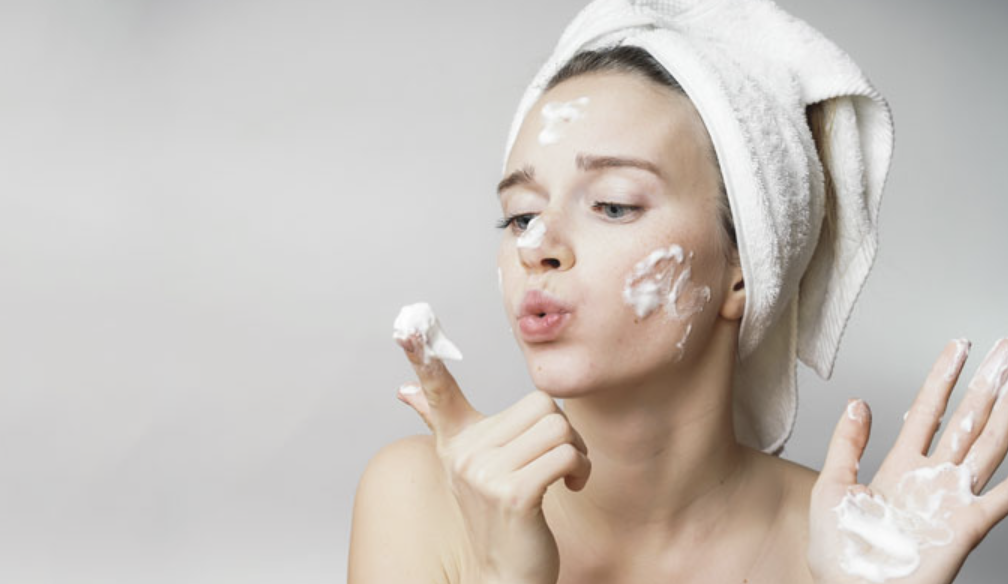
Body wash is an everyday skincare product, but choosing the right one requires more consideration than simply selecting a pleasant fragrance. Since it comes into direct contact with a large area of the skin, its ingredients and cleansing properties can influence hydration, comfort, texture, and the skin’s natural protective barrier.
Many people focus on facial skincare while using any available product on the rest of the body. However, body skin can also experience dryness, sensitivity, clogged pores, irritation, and uneven texture. Understanding What to Look for in a Body Wash (And Why It Matters More Than You Thin can help you choose a formula that cleans effectively without leaving the skin tight, itchy, or uncomfortable.
Start by Understanding Your Skin Type
The most suitable body wash depends largely on your skin type. A formula that works well for oily or acne-prone skin may be too drying for someone with sensitive or dehydrated skin.
Dry Skin
Dry skin often feels rough, tight, flaky, or uncomfortable after bathing. A moisturising body wash containing ingredients such as glycerin, ceramides, shea butter, squalane, or natural oils may help support hydration.
Cream-based and oil-based cleansers are generally more appropriate than heavily foaming formulas because they tend to cleanse without removing too much natural oil.
Oily or Acne-Prone Skin
People with oily or body-acne-prone skin may benefit from lightweight, non-comedogenic formulas. Ingredients such as salicylic acid can help remove excess oil and clear dead skin cells that may block pores.
However, strong cleansers should not be overused. Excessive cleansing can dry the skin and may encourage further oil production.
Sensitive Skin
Sensitive skin requires a simple, gentle formula. Fragrance-free body washes with minimal ingredients are often a better choice. Look for calming components such as aloe vera, colloidal oatmeal, panthenol, or allantoin.
Avoid products containing harsh exfoliants, high levels of fragrance, or strong essential oils if your skin regularly reacts to skincare products.
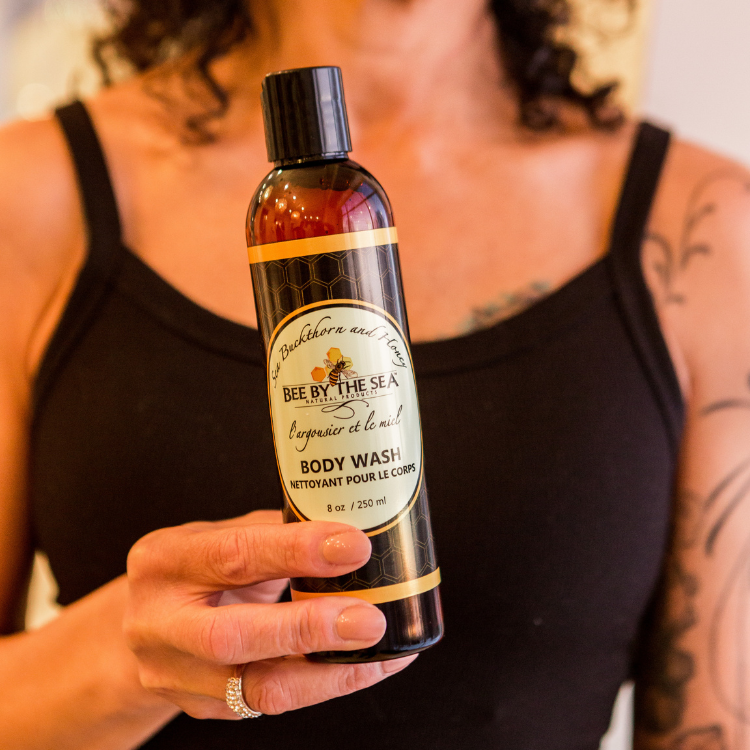
Review the Cleansing Ingredients
Body washes contain cleansing agents known as surfactants. These ingredients help water combine with oil, sweat, sunscreen, and dirt so they can be rinsed away.
Some surfactants create a rich foam but may feel drying on certain skin types. Others produce less lather while providing a milder cleanse. More foam does not necessarily mean better cleansing.
If your skin feels tight immediately after a shower, the formula may be removing too much natural oil. Consider switching to a gentler cleanser designed to maintain the skin barrier.
Look for Hydrating and Barrier-Supporting Ingredients
A well-formulated body wash should clean the skin while helping it retain moisture. Humectants such as glycerin and hyaluronic acid attract water, while emollients such as shea butter and plant oils soften the skin.
Ceramides are also useful because they support the skin barrier, which helps reduce moisture loss and protects the skin from environmental irritants.
Although a body wash remains on the skin for only a short time, moisturising ingredients can still improve how the skin feels after cleansing. They are particularly useful when combined with a body lotion after bathing.
Consider Fragrance Carefully
Fragrance can make a body wash enjoyable to use, but it may not suit everyone. Synthetic fragrance, natural fragrance, and essential oils can sometimes cause irritation, especially for people with eczema-prone or sensitive skin.
A fragrance-free product is different from an unscented product. Fragrance-free formulas usually contain no added fragrance, while unscented products may contain ingredients that neutralise the natural smell of the formula.
People without skin sensitivity may comfortably use fragranced body washes. However, those who experience itching, redness, or dryness should consider reducing fragrance exposure.
Choose Exfoliating Ingredients Based on Your Needs
Exfoliating body washes can help improve rough texture, ingrown hairs, clogged pores, and areas affected by dead skin buildup.
Salicylic acid is commonly used for oily skin and body breakouts. Lactic acid and glycolic acid can help smooth rough or uneven skin. Physical exfoliants, such as scrubbing particles, remove surface-level dead skin through friction.
Exfoliating products should be introduced gradually. Daily use may be unnecessary and could cause irritation. Avoid combining several strong exfoliating products in the same routine unless your skin tolerates them well.
Check the Product’s pH and Soap Content
Healthy skin has a mildly acidic surface that supports its protective barrier. Traditional soaps are often more alkaline and may leave dry or sensitive skin feeling tight.
A pH-balanced, soap-free body wash may provide a gentler cleansing experience. This is particularly relevant for people who shower frequently, live in dry climates, or already have a weakened skin barrier.
Think About Your Daily Routine
Your lifestyle should also influence your choice. Someone who exercises regularly may need a cleanser that removes sweat and sunscreen effectively. A person with dry skin may prefer a richer formula for evening showers.
Water temperature also matters. Very hot water can remove natural oils and increase dryness, even when a gentle body wash is used. Lukewarm water and shorter showers are generally more supportive of skin comfort.
Avoid Choosing a Body Wash Based Only on Packaging
Attractive packaging, strong fragrance, or claims such as “deep cleansing” do not necessarily indicate that a product will suit your skin. Read the ingredient list, consider your concerns, and monitor how the skin feels after repeated use.
A suitable body wash should leave the skin clean, comfortable, and balanced. Persistent tightness, itching, redness, or flaking may indicate that the product is unsuitable.
Conclusion
Choosing a body wash is an important part of maintaining healthy body skin. The right product should match your skin type, remove daily buildup, and protect the skin from unnecessary dryness.
Focus on gentle cleansing agents, suitable active ingredients, moisturising components, fragrance tolerance, and your personal routine. A thoughtful choice can make daily cleansing more comfortable while supporting smoother, healthier-looking skin over time.