

A consistent body care routine can help maintain comfortable, moisturised, and healthy-looking skin. While cleansing is often the first step, moisturising plays an equally important role in supporting the skin barrier and reducing dryness.
One common question is, When Should You Apply Body Cream in Your Body Care Routine? In most cases, body cream is best applied after bathing or showering, when the skin is clean and slightly damp. However, the ideal timing can also depend on your skin type, climate, daily habits, and the type of body cream you use.
Understanding when and how to apply body cream can help you get more from your routine without making it unnecessarily complicated.
Apply Body Cream After a Shower or Bath
The most suitable time to apply body cream is generally after bathing. Warm water and cleansing remove sweat, dirt, excess oil, and other impurities from the skin, leaving a clean surface for moisturising products.
After bathing, gently pat your skin with a towel rather than rubbing it completely dry. Applying body cream while the skin is still slightly damp can help reduce moisture loss and leave the skin feeling softer.
This is particularly useful for people who regularly experience dryness on areas such as the arms, legs, elbows, knees, and shoulders.
Why Slightly Damp Skin Matters
Moisturisers work partly by helping the skin retain water. When a body cream is applied to slightly damp skin, it can help seal in some of the moisture already present on the surface.
You do not need to apply the cream while the skin is wet. Instead, remove excess water gently and apply the product soon after drying.
This approach is often more comfortable than applying a thick cream to completely dry skin.
Use Body Cream as the Moisturising Step
A simple body care routine usually follows a logical order:
- Cleanse the skin
- Exfoliate when required
- Apply treatment products, if any
- Apply body cream or moisturiser
- Use sunscreen on exposed skin during the day
Body cream usually comes after cleansing and other lightweight body treatments because it is designed to moisturise and help reduce water loss.
If you use a body serum or another targeted product, check its instructions. In many routines, thinner products are applied first, followed by a thicker cream.
Apply Body Cream in the Morning When Needed
Body cream does not need to be limited to an evening routine. It can also be used in the morning, especially if your skin feels dry after showering.
Morning application may be useful during colder months, in air-conditioned environments, or for people with naturally dry skin.
Allow the cream to absorb before dressing, particularly if you are using a richer formula.
If your arms, legs, shoulders, or other areas will be exposed to sunlight, apply sunscreen after the body cream has settled into the skin. A moisturising body cream is not a substitute for sunscreen unless the product specifically provides appropriate sun protection.
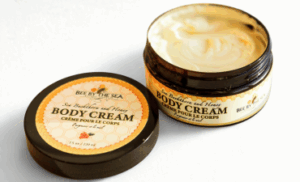
Use Body Cream Before Bed for Dry Skin
Night-time can also be a practical time for body moisturising. The skin is less likely to be exposed to frequent washing, sunlight, sweat, or outdoor conditions while you sleep.
A richer body cream can therefore be useful before bed, particularly on areas that tend to become rough or dry.
You may choose to focus on:
- Elbows
- Knees
- Heels
- Hands
- Lower legs
- Other dry areas
People with very dry skin may prefer applying body cream both after their morning shower and again before bed.
Consider a Richer Texture at Night
Body creams are generally thicker than body lotions because they often contain a higher proportion of emollient or occlusive ingredients.
A richer formula may feel more suitable at night, while a lighter moisturiser may be more comfortable during the daytime, particularly in warm or humid conditions.
The right texture depends on personal preference and how your skin responds.
Reapply Body Cream After Washing or Swimming
Your skin may need additional moisturising after activities that remove natural oils or moisture.
For example, consider reapplying body cream after:
- Swimming
- A second shower
- Frequent hand or body washing
- Prolonged exposure to air conditioning
- Spending time in cold or dry weather
Chlorinated water and repeated cleansing can leave some people feeling dry or tight. Applying moisturiser afterwards may help restore comfort.
You do not necessarily need to moisturise your entire body every time. Reapply mainly to areas that feel dry.
Adjust Body Cream Use According to Skin Type
Different skin types may require different application frequencies.
Dry Skin
Dry skin may benefit from body cream once or twice daily. Thicker formulations are often more suitable because they provide longer-lasting moisturisation.
Pay extra attention to areas that commonly become rough, including elbows, knees, and heels.
Normal Skin
People with normal skin may find that one application after bathing is enough to maintain comfortable skin.
The amount and frequency can be adjusted depending on the season.
Oily or Combination Skin
Even oily skin can require moisturisation. However, a lighter body moisturiser may feel more comfortable than a heavy cream, particularly during humid weather.
It is generally better to choose a suitable texture rather than avoiding moisturiser altogether.
Should Body Cream Be Applied Before or After Body Oil?
If you use both body cream and body oil, the order can depend on the products and your preference.
A common approach is to apply body cream first and then use a small amount of body oil over particularly dry areas. The cream provides moisture, while the oil may help reduce moisture loss.
Some people instead mix a few drops of body oil with their cream before application.
Whichever method you use, avoid applying excessive amounts, as this may leave the skin feeling greasy without providing additional benefit.
How Much Body Cream Should You Use?
There is no single amount that works for everyone. Use enough product to spread a thin, even layer over the intended area without leaving a heavy residue.
Start with a small amount and add more if necessary.
Massage the cream gently until it is distributed evenly. Areas such as the elbows, knees, feet, and lower legs may require a little more product if they are particularly dry.
Regular application is generally more useful than occasionally applying a very large amount.
Common Body Cream Application Mistakes
Even a simple moisturising routine can become less effective if body cream is used incorrectly.
One common mistake is waiting too long after bathing, especially if the skin becomes dry quickly. Applying the cream sooner may help retain more surface moisture.
Another mistake is using too much product. A thick visible layer is not necessary for everyday moisturising.
People also sometimes overlook specific dry areas. The elbows, knees, ankles, and heels often require more attention than other parts of the body.
Finally, avoid assuming that every cream suits every skin type. If a product consistently causes irritation, discomfort, or breakouts, discontinue use and consider a more suitable formula.
Conclusion
So, When Should You Apply Body Cream in Your Body Care Routine? For most people, the ideal time is shortly after showering or bathing while the skin remains slightly damp. This allows body cream to form an effective moisturising step within a simple daily routine.
You can also apply it in the morning, before bed, or after activities such as swimming and repeated washing if your skin needs additional moisture. The frequency should depend on your skin type, environment, and the richness of the product.
A consistent approach, combined with the right body cream for your skin, can help maintain softness, comfort, and moisture throughout the day.