
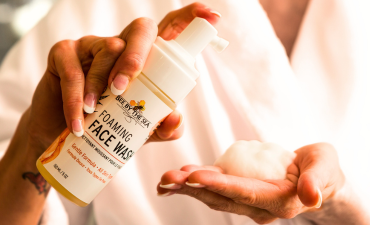
Cleansing is one of the most important steps in a daily skincare routine. Throughout the day, the skin can collect sweat, excess oil, sunscreen, makeup residue, and environmental impurities. A suitable cleanser helps remove this buildup without making the cleansing process unnecessarily harsh.
Foaming face washes are commonly chosen because they spread easily across the skin and create a light lather during cleansing. However, their effectiveness depends on the formulation, ingredients, and suitability for an individual skin type.
Understanding the 6 Gentle Benefits of Foaming Face Wash for Your Skin can help you decide whether this type of cleanser fits comfortably into your morning or evening skincare routine.
1. Helps Remove Dirt and Daily Impurities
One of the primary purposes of any facial cleanser is to remove substances that collect on the skin during the day.
A foaming face wash can help lift away dust, sweat, surface oil, sunscreen residue, and other impurities. The foam allows the cleanser to spread evenly across different areas of the face, including around the nose, forehead, and chin.
Regular cleansing may also help prevent the skin from feeling greasy or congested after long periods outdoors.
Cleanse Without Excessive Scrubbing
The lather created by a foaming cleanser can reduce the need for aggressive rubbing. Gentle circular movements with the fingertips are usually sufficient.
Using very hot water or scrubbing the skin forcefully may contribute to dryness or irritation. Lukewarm water and light pressure are generally more suitable for everyday cleansing.
2. Helps Manage Excess Surface Oil
People with oily or combination skin may find that excess sebum builds up during the day, particularly around the forehead, nose, and chin.
A suitable foaming face wash can help remove some of this excess surface oil while leaving the skin feeling cleaner and less heavy.
However, removing too much natural oil may leave the skin feeling tight or dry. For this reason, it is important to select a formula designed for regular use rather than relying on overly strong cleansing agents.
Choose a Formula Suitable for Your Skin Type
Not every foaming cleanser has the same formulation. Some are created for oily skin, while others include moisturising ingredients intended for normal, combination, or sensitive skin.
People with dry or easily irritated skin may prefer formulas containing ingredients such as glycerin, ceramides, or other humectants that help support moisture retention.
3. Creates a Fresh and Clean Skin Feel
Foaming cleansers are often associated with a lightweight, fresh feeling after washing.
The foam can make it easier to distribute the product evenly, helping cleanse larger and smaller areas of the face without using excessive amounts of product.
This can be particularly useful in the evening when removing the day’s accumulation of sweat, oil, and environmental residue.
A clean skin surface also creates a suitable starting point for the next steps in a skincare routine.
4. Prepares the Skin for Other Skincare Products
Cleansing is usually the first step before applying products such as toners, serums, moisturisers, or sunscreen.
Removing surface impurities helps ensure that skincare products are applied to clean skin rather than over oil, sweat, or residue.
For example, after cleansing in the morning, a moisturiser and sunscreen can be applied to freshly washed skin. In the evening, cleansing can be followed by treatment products or moisturisers according to individual skincare requirements.
Keep the Routine Simple
Using more skincare products does not always mean achieving better results. A basic routine may include cleansing, moisturising, and sun protection during the day.
Additional products can be introduced depending on skin type, concerns, and professional advice where required.
5. Can Support a Comfortable Daily Cleansing Routine
A cleanser that feels comfortable to use is easier to include consistently in a skincare routine.
Modern foaming face washes can be formulated with mild cleansing agents rather than relying only on strong detergents. These gentler formulations may cleanse effectively while reducing the likelihood of an excessively stripped feeling.
This makes formulation an important factor when choosing a product.
Look for a cleanser that leaves the skin feeling clean but not unusually tight, itchy, or uncomfortable after washing.
If persistent redness or irritation occurs, it may indicate that the product is unsuitable for your skin.
6. Can Be Convenient for Different Skin Types
Although foaming cleansers are commonly associated with oily skin, many formulations are designed for a broader range of skin types.
For combination skin, a gentle foaming cleanser may help remove oil from the T-zone while remaining comfortable on less oily areas.
People with normal skin may also appreciate the lightweight cleansing experience. Those with sensitive or dry skin should pay closer attention to the ingredient list and choose formulas specifically intended to support their skin’s moisture barrier.
The important consideration is not simply whether a cleanser foams, but how the complete formula interacts with your skin.
How to Use Foaming Face Wash Properly
Using the correct cleansing technique can help make a face wash more comfortable and effective.
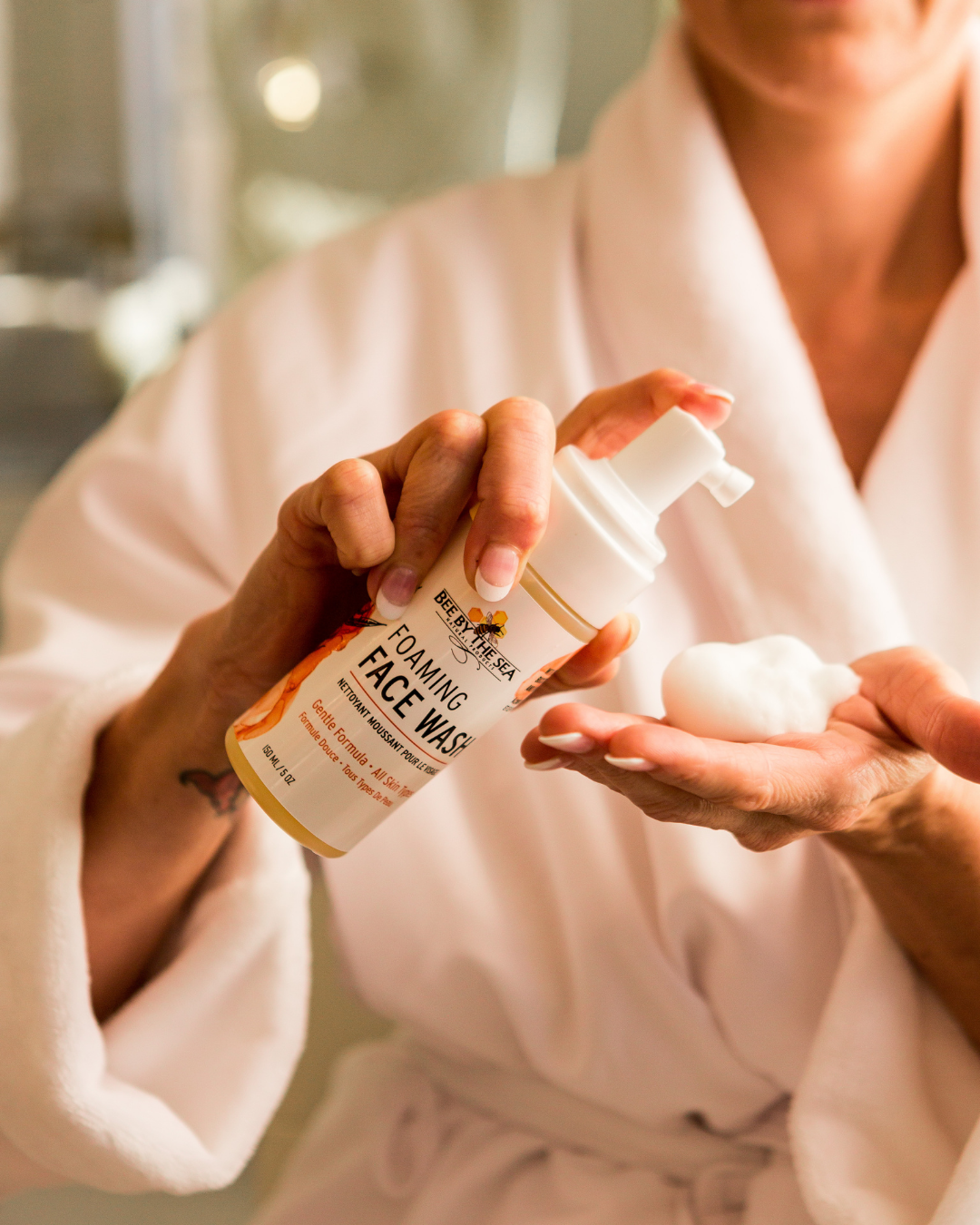
Start by wetting the face with lukewarm water. Dispense a small amount of cleanser into your hands and gently massage it across the face using circular movements. Pay particular attention to areas where oil and sunscreen may accumulate.
Rinse thoroughly and pat the skin dry with a clean towel rather than rubbing it aggressively.
For many people, cleansing once in the morning and once in the evening may be sufficient. However, individual needs can vary depending on skin type, climate, activity levels, and other skincare products.
What Should You Look for in a Foaming Face Wash?
When selecting a cleanser, consider your skin type before focusing on texture or fragrance.
For oily skin, lightweight formulations that remove excess surface oil may be appropriate. Dry skin may benefit from cleansers containing moisturising ingredients. Sensitive skin may require fragrance-free formulas with fewer potentially irritating ingredients.
It is also useful to pay attention to how your skin feels after cleansing. A cleanser should ideally leave the face feeling refreshed rather than overly dry or uncomfortable.
Conclusion
The 6 Gentle Benefits of foaming face wash for Your Skin include removing daily impurities, helping manage excess surface oil, providing a fresh cleansing experience, preparing the skin for other products, supporting a consistent routine, and offering options for different skin types.
The most important factor is choosing a formulation that suits your individual skin needs. A gentle foaming cleanser, when used with lukewarm water and light pressure, can form a practical part of a balanced skincare routine without making cleansing unnecessarily complicated.