
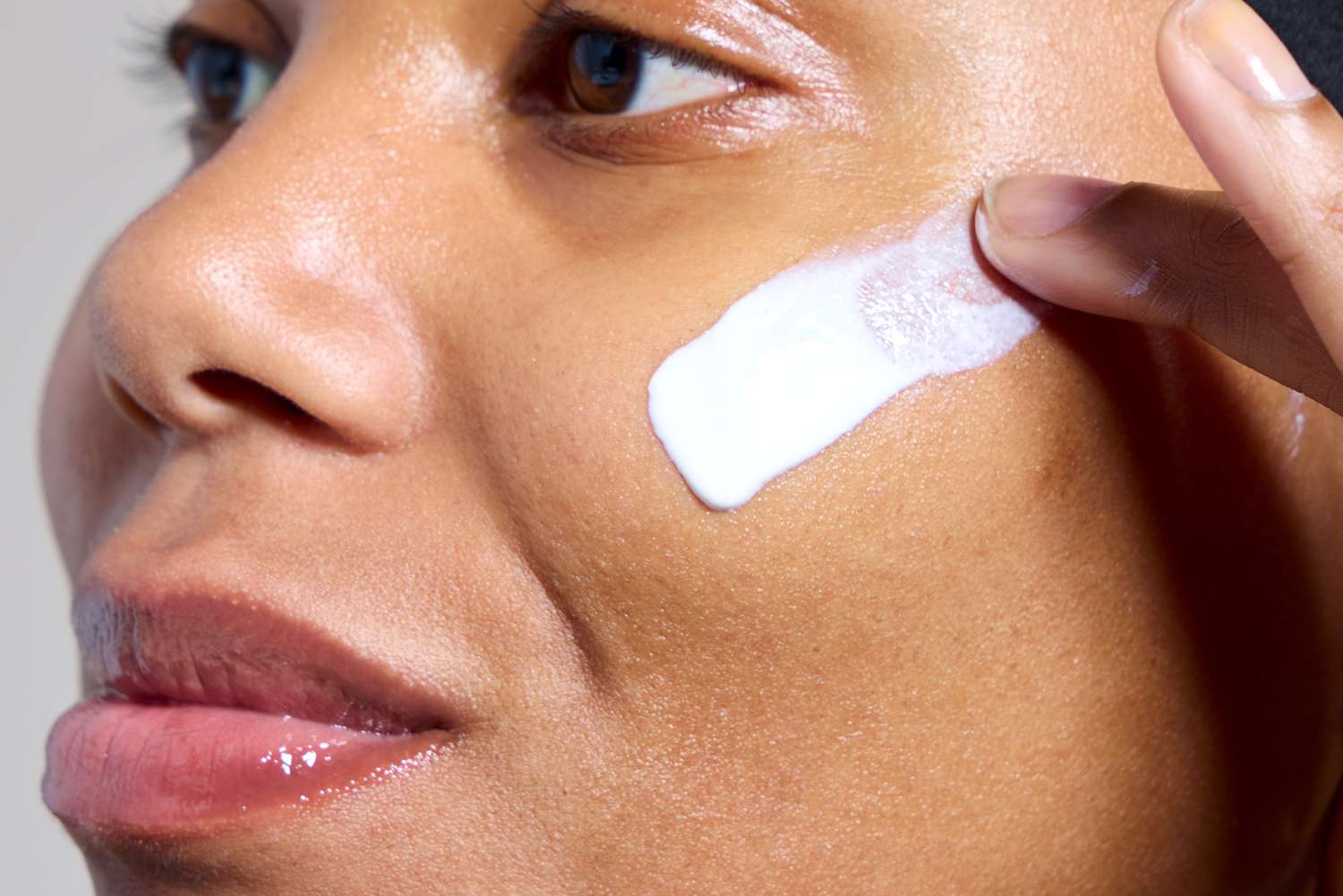
Tinted sunscreen combines sun protection with light complexion coverage, making it a practical option for people who want a more even-looking finish without using a separate foundation. However, choosing the right shade can be difficult because skin tone, undertone, pigmentation, and product finish can all affect how the tint appears.
When looking for the best tinted sunscreen shades for different skin tones, it is important to focus on more than whether a product is labelled light, medium, or deep. A suitable match should blend naturally into the skin while avoiding an overly orange, grey, pink, or pale appearance.
What Is Tinted Sunscreen?
Tinted sunscreen is a sun protection product that contains added pigments. These pigments give the formula a visible tint and may help reduce the white cast sometimes associated with mineral sunscreens.
Depending on the product, tinted sunscreen may provide sheer to light coverage. It can help soften the appearance of uneven tone, mild redness, or minor discoloration while still serving primarily as sunscreen.
Some tinted sunscreens are available in one universal shade, while others come in multiple shades designed for different complexions.
Why Shade Matching Matters
An unsuitable shade may make the skin look dull, ashy, overly warm, or noticeably different from the neck and surrounding areas.
A more suitable tinted sunscreen should blend into the complexion after application without creating a clear line of contrast. This becomes particularly important for people with deeper skin tones, where poorly matched mineral sunscreens may leave a visible grey cast.
Understand Your Skin Tone Before Choosing a Shade
Skin tone generally refers to the depth of your complexion. It can broadly be described as fair, light, medium, tan, deep, or very deep.
These categories are only a starting point. Two people with a similar skin depth may still require different sunscreen shades because their undertones are different.
For this reason, choosing a tinted sunscreen based only on how light or dark it looks in the packaging may not provide the most natural result.
Identify Your Skin Undertone
Undertone refers to the subtle color beneath the surface of the skin. It generally remains relatively consistent even when the skin becomes lighter or darker due to sun exposure.
Common undertone groups include:
- Cool undertones: Usually have pink, red, or bluish characteristics.
- Warm undertones: Often have yellow, golden, or peach characteristics.
- Neutral undertones: Contain a relatively balanced combination of warm and cool tones.
- Olive undertones: Often have greenish, golden, or neutral characteristics.
Knowing your undertone can help narrow down tinted sunscreen shades that are less likely to appear unnatural.
Tinted Sunscreen for Fair and Light Skin Tones
People with fair or light skin may find that pale beige, ivory, or light neutral shades blend well, depending on their undertone.
Those with cool undertones may prefer shades with subtle pink or neutral characteristics. Warm undertones may suit light shades with peach or golden tones.
Avoid selecting a shade that is significantly darker simply to add warmth to the complexion. A sunscreen should still blend naturally with the neck, jawline, and surrounding skin.
Watch for Excessive Yellow or Orange Tones
Some tinted sunscreens can oxidise slightly after application, causing the shade to appear darker or warmer after several minutes.
For fair complexions, even a small change can be noticeable. Allow the product to settle before deciding whether the shade is suitable.
Tinted Sunscreen for Medium Skin Tones
Medium skin tones often have a wider range of suitable beige, golden, neutral, and olive shades.
A medium neutral tint may work well for balanced undertones, while golden-beige shades may complement warmer complexions. Olive skin may require a tint that avoids excessive pink or orange pigmentation.
Because medium complexions can vary considerably, products that offer several shades may provide a better match than a single universal tint.
Tinted Sunscreen for Tan and Deep Skin Tones
Tan and deep skin tones generally require richer pigments to avoid a pale or grey finish.
Caramel, deep golden, bronze, warm brown, and rich neutral shades may be more suitable depending on the individual’s undertone.
Mineral sunscreens containing zinc oxide or titanium dioxide can sometimes leave a visible cast on deeper complexions. A well-formulated tint can help reduce this appearance, but the shade still needs to be deep enough to blend naturally.
Avoid Relying on Universal Tints
A universal tinted sunscreen may work for some medium complexions but can be too light for deeper skin tones.
When possible, look for products with several shade options and compare swatches across different skin tones before purchasing.
How to Test a Tinted Sunscreen Shade
Testing the product on the jawline is generally more useful than testing it on the hand or wrist because these areas may differ in color from the face.
Apply a small amount near the jaw and allow it to settle for several minutes. Then check the shade in natural daylight.
A suitable shade should blend into the surrounding skin without leaving an obvious edge.
Also check whether the product changes color after drying, particularly if the formula is known to oxidise.
Consider the Finish as Well as the Shade
Shade is only one part of choosing a tinted sunscreen.
Matte finishes may suit people who prefer less shine, while dewy or radiant finishes can create a more moisturised appearance. Natural finishes usually sit between the two.
Skin type can also influence how the shade appears. A very matte formula may look slightly lighter or drier on some complexions, while a luminous formula may make the tint appear more reflective.
Do You Need an Exact Foundation Match?
Tinted sunscreen usually provides lighter coverage than foundation, so the shade does not always need to be an exact match.
Because the pigment is often sheer, a shade that is reasonably close to the skin tone may blend successfully.
However, highly pigmented tinted sunscreens require more careful matching. The greater the coverage, the more noticeable an incorrect undertone or shade depth may become.
Final Tips for Choosing the Right Tinted Sunscreen
When comparing tinted sunscreens, consider skin depth, undertone, finish, coverage level, and how the formula looks after it settles.
Whenever possible, review shade swatches on people with similar skin tones rather than relying only on packaging images. Testing the product in natural light can also provide a more accurate idea of how it will appear throughout the day.
Conclusion
Choosing the best tinted sunscreen shades for different skin tones requires attention to both complexion depth and undertone. Fair, medium, tan, and deep skin tones may each benefit from different pigment levels, while warm, cool, neutral, and olive undertones can influence which shade looks most natural.
Testing the product on the jawline, allowing it to settle, and checking the finish in natural light can help improve shade selection. A well-matched tinted sunscreen should blend comfortably into the complexion while providing the sun protection and level of coverage suited to your routine.