
Face toner is often used between cleansing and moisturising, but many people are unsure about what it actually does or what changes they should expect after adding it to a skincare routine. Toners can support different skin concerns depending on their formulation, including dryness, excess oil, uneven texture, or residual impurities after cleansing.
A guide on face toner before and after results can help explain what toner may contribute to a routine, how quickly visible changes may appear, and why results can vary depending on skin type and ingredients.
Rather than expecting an immediate transformation, it is more useful to look at toner as a supporting skincare step that may improve how the skin feels and responds to other products over time.
What Is a Face Toner?
A face toner is a liquid skincare product generally applied after cleansing and before serums or moisturisers. Traditional toners were often associated with strong astringent formulas designed mainly for oily skin. Modern formulations are much broader and may include hydrating, soothing, exfoliating, or oil-balancing ingredients.
Depending on the product, a toner may help remove traces of cleanser, provide additional hydration, prepare the skin for later products, or support a smoother-looking surface.
Not every toner performs the same function, which is why choosing one based on skin needs is important.
Common Types of Face Toners
Face toners can generally be grouped according to their main purpose.
Hydrating toners may contain ingredients such as glycerin, hyaluronic acid, aloe vera, or panthenol. These are often suitable for dry or dehydrated skin.
Exfoliating toners may contain acids such as glycolic acid, lactic acid, or salicylic acid. These are typically used to address uneven texture, clogged pores, or excess oil.
Soothing toners may include ingredients such as centella asiatica, chamomile, or green tea to help support sensitive or easily irritated skin.
What Does Skin Look Like Before Using Toner?
Before introducing toner, the skin may already be functioning well with a basic cleansing and moisturising routine. Toner is not an essential step for everyone.
However, some people may notice concerns such as tightness after cleansing, excess oil, visible dryness, dull-looking skin, or uneven texture.
Others may find that their cleanser leaves behind small traces of makeup, sunscreen, or residue. In such cases, a suitable toner may provide an additional step that complements the rest of the routine.
The condition of the skin before use will strongly influence the type of before-and-after result that can realistically be expected.

What Results Can You Expect After Using Face Toner?
Results depend on the formula, frequency of use, skin type, and the other products in a skincare routine.
A hydrating toner may leave the skin feeling softer and more comfortable soon after application. An oil-balancing toner may help reduce the appearance of excessive shine over time. Exfoliating toners may gradually improve rough texture or clogged pores when used correctly.
Visible results are usually gradual rather than immediate.
Short-Term Face Toner Results
Immediately after applying a suitable toner, the skin may feel refreshed, hydrated, or less tight.
Hydrating formulas can temporarily make the skin appear smoother because water-binding ingredients increase surface moisture. Some soothing formulations may also help the skin feel calmer after cleansing.
These short-term effects generally relate to skin comfort and hydration rather than major changes in appearance.
Longer-Term Face Toner Results
With regular use, certain toner ingredients may support more noticeable changes.
An exfoliating toner used appropriately may help improve uneven texture and reduce the appearance of congestion. Hydrating toners may support a more comfortable skin barrier when combined with moisturiser.
Oil-balancing products may also help users manage excess shine, although toner alone is unlikely to completely change natural oil production.
How Long Does Face Toner Take to Show Results?
There is no single timeframe for toner results.
Hydration can often be felt shortly after application. Improvements related to texture, clogged pores, or uneven appearance may require several weeks of consistent use.
The strength of active ingredients also matters. A mild toner designed for daily hydration will behave differently from an exfoliating toner containing acids.
It is usually better to monitor how the skin responds gradually rather than increasing product frequency in an attempt to achieve faster results.
How to Use Face Toner Correctly
Toner is normally applied to clean skin after washing the face.
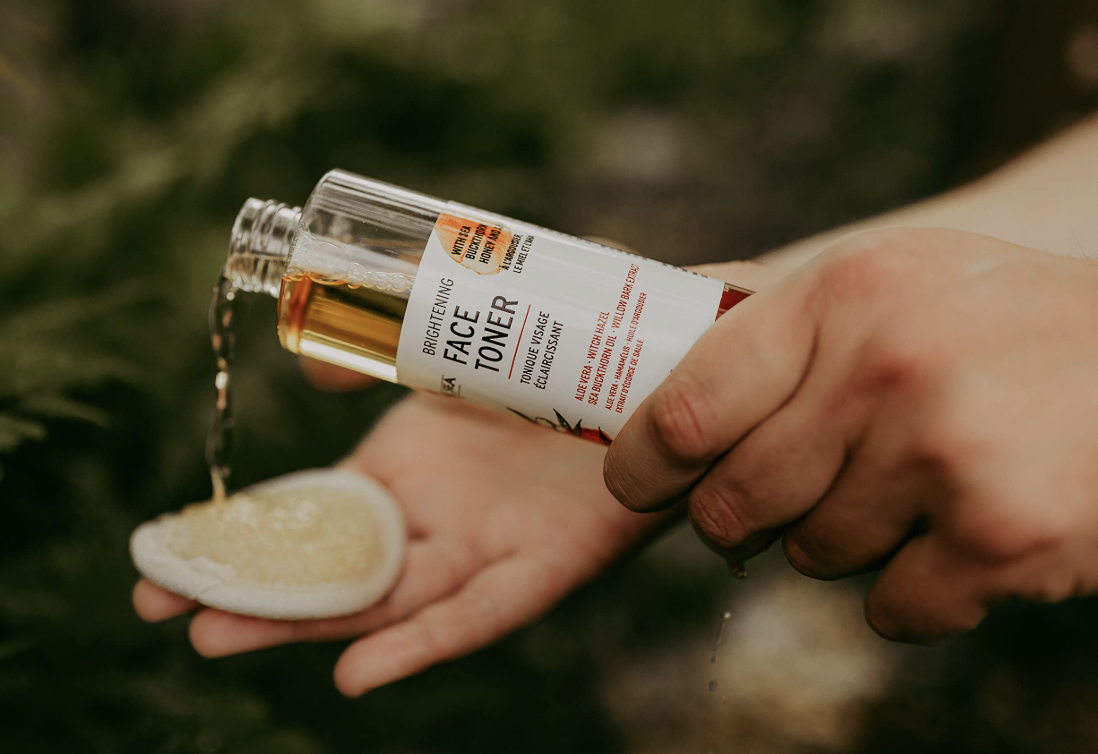
Pour a small amount into the palm or onto a cotton pad, depending on the product instructions. Gently apply it across the face while avoiding the immediate eye area unless the formulation specifically states that it is suitable there.
Allow the toner to absorb before applying serum or moisturiser.
Should You Use Toner Every Day?
Whether toner can be used daily depends on the ingredients.
Hydrating and soothing toners are often designed for everyday use. Strong exfoliating toners may need to be used less frequently, particularly for sensitive or dry skin.
Always follow the directions provided with the product. Overusing exfoliating ingredients can contribute to dryness, redness, or irritation.
Choosing a Toner Based on Skin Type
Selecting the right toner can influence the results you experience.
For dry skin, look for hydrating ingredients and avoid formulas that leave the skin feeling tight.
For oily or acne-prone skin, products containing salicylic acid or other oil-supporting ingredients may be suitable, depending on individual tolerance.
Sensitive skin may benefit from simple formulations with soothing ingredients and limited fragrance.
Combination skin may require a balanced toner that provides hydration without feeling heavy.
Factors That Can Affect Before and After Results
Several factors can influence how well a toner performs.
Consistency is important because irregular use may make results difficult to assess. The cleanser, moisturiser, sunscreen, and treatment products used alongside the toner can also affect the skin.
Using several strong active ingredients at the same time may increase irritation, making it difficult to determine whether the toner itself is helping.
Lifestyle factors such as weather, humidity, sun exposure, sleep, and general skincare habits can also influence skin appearance.
Common Mistakes When Using Face Toner
One common mistake is choosing a toner simply because it is labelled for a particular skin type without checking the ingredient list.
Another is applying excessive amounts of product. More toner does not necessarily produce better results.
Using an exfoliating toner too frequently can also disrupt the skin barrier. If persistent burning, redness, or peeling occurs, the product should be stopped and the routine reassessed.
It is also important not to expect toner to replace cleansing, moisturising, sunscreen, or targeted treatments.
Conclusion
A Guide on Face Toner Before and After Results shows that toner outcomes depend largely on the formulation and the skin concern being addressed. Hydrating toners may improve comfort and surface moisture, while exfoliating or oil-balancing formulas may gradually support smoother-looking skin and reduced congestion.
The most useful results generally come from choosing a toner suited to your skin type, using it consistently, and avoiding excessive application. Toner can be a helpful addition to a skincare routine, but it works best as one part of a broader approach that includes gentle cleansing, moisturising, and daily sun protection.