
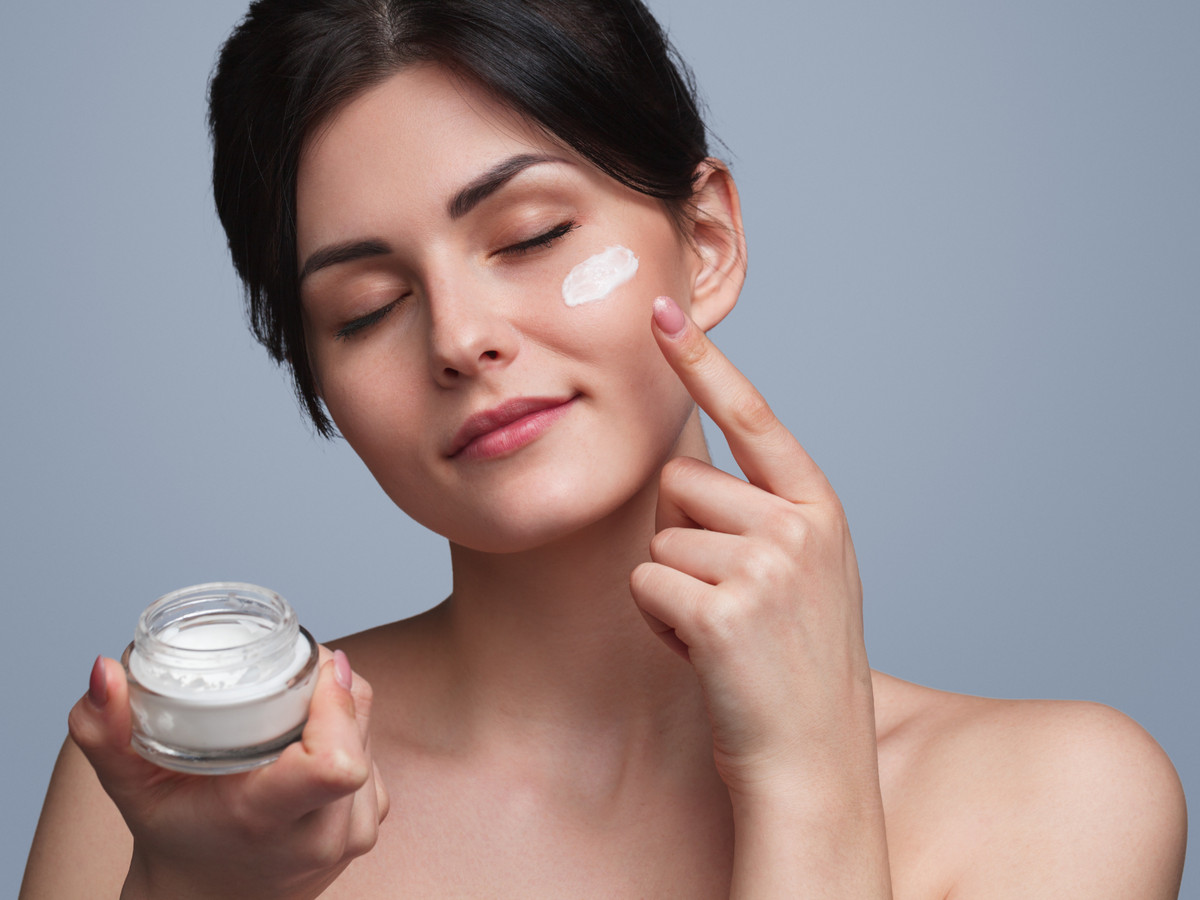
A night cream can be a useful part of an evening skincare routine, particularly when your skin needs additional moisture and support after daily exposure to environmental factors. However, choosing a product simply because it is labelled as a night cream may not give you the results you expect.
The right formula should suit your skin type, current concerns, climate, and the other products used in your routine. If you are wondering how to choose the right night cream for your skin, the best place to start is by understanding what your skin actually needs rather than focusing only on product claims.
What Does a Night Cream Do?
Night creams are moisturising products designed to be applied during an evening skincare routine. They are often richer than lightweight daytime moisturisers and may contain ingredients intended to support hydration, comfort, and the skin barrier.
While you sleep, your skin is not exposed to sunlight, makeup, pollution, or frequent cleansing. This makes the evening a practical time to use products that provide sustained moisture.
A night cream can help reduce feelings of dryness, support softer skin, and prevent excessive moisture loss. Some formulas may also contain ingredients aimed at concerns such as uneven texture, dullness, or signs of ageing.
Identify Your Skin Type First
Choosing a suitable night cream begins with knowing your skin type. A product that works well for dry skin may feel too heavy for oily skin, while a very lightweight formula may not provide enough moisture for someone experiencing dryness.
Night Cream for Dry Skin
Dry skin usually benefits from richer creams containing ingredients that help attract and retain moisture.
Look for ingredients such as:
- Hyaluronic acid
- Glycerin
- Ceramides
- Squalane
- Shea butter
These ingredients can help reduce tightness and support the skin’s moisture barrier.
Cream-based formulations are generally more suitable for dry skin than very lightweight gel textures, particularly in cold or dry weather.
Night Cream for Oily Skin
Oily skin still requires moisturisation. Avoiding moisturiser completely may leave the skin feeling dehydrated even when excess oil is present.
For oily skin, look for lightweight, non-greasy formulas. Gel creams or water-based moisturisers may feel more comfortable than thick creams.
Ingredients such as hyaluronic acid, niacinamide, and glycerin can provide hydration without necessarily adding a heavy finish.
Night Cream for Combination Skin
Combination skin typically has both oily and dry areas. The forehead, nose, and chin may become oily while the cheeks remain normal or dry.
A balanced, medium-weight night cream is often a practical choice. Look for products that provide hydration without feeling excessively rich.
If different areas of your face have very different needs, you can also adjust the amount of product applied to each area.
Consider Sensitive Skin Carefully
Sensitive skin can react to fragrance, certain active ingredients, or highly complex formulations.
If your skin frequently experiences redness, itching, burning, or discomfort, consider choosing a night cream with a shorter ingredient list and fewer potential irritants.
Fragrance-free formulas may be preferable for some people with sensitive skin.
Ingredients such as ceramides, glycerin, panthenol, and colloidal oatmeal are commonly found in products designed to support sensitive or easily irritated skin.
Patch testing a new product before applying it to the entire face can also help identify potential reactions.
Match Ingredients With Your Skin Concerns
Skin type is important, but you should also consider what you want the night cream to address.
For Dehydrated Skin
Dehydrated skin lacks water and can affect dry, oily, or combination skin types.
Look for humectants such as:
- Hyaluronic acid
- Glycerin
- Panthenol
- Urea
These ingredients help attract moisture to the skin.
For Uneven Texture or Dullness
Some night creams contain ingredients such as niacinamide, mild exfoliating acids, or antioxidants.
These ingredients may help improve the appearance of uneven texture over time, although active ingredients should be introduced gradually, particularly if your routine already contains exfoliants or retinoids.
For Mature Skin
Mature skin often becomes drier as natural oil production decreases.
A richer formula containing ceramides, peptides, antioxidants, or moisturising oils may help support comfort and hydration.
Retinoids are also commonly used in evening skincare routines, but they should be introduced carefully and according to product instructions.

Check the Texture of the Night Cream
Texture can make a significant difference to how comfortable a product feels.
Thicker creams may suit dry or mature skin, while lighter gel creams can be more appropriate for oily or humid conditions.
Your climate should also influence your choice. A rich cream that feels comfortable during winter may feel too heavy during hot and humid weather.
It can therefore be useful to adjust your moisturiser depending on the season.
Avoid Using Too Many Active Ingredients Together
A night cream does not need to contain every active skincare ingredient.
If you already use products containing retinol, exfoliating acids, vitamin C, or acne treatments, adding another cream with several active ingredients may increase the possibility of irritation.
Instead, choose a moisturiser that complements your existing routine.
For example, if you use a retinoid at night, a simple moisturising cream containing ceramides and humectants may be more appropriate than another strongly active formula.
How to Apply Night Cream Correctly
Night cream should generally be used toward the end of an evening skincare routine.
A simple routine may include:
- Cleanse the face.
- Apply toner or treatment products if used.
- Apply serum.
- Finish with night cream.
Use enough product to create a comfortable layer without leaving the skin excessively greasy.
Applying the cream to slightly damp skin can also help retain moisture, particularly when the formula contains humectants.
Give the product time before changing it.
Unless a product causes irritation, avoid judging a night cream after only one or two uses.
Hydration and comfort may be noticeable quickly, but changes in texture or overall skin appearance can require consistent use.
Monitor how your skin feels over several weeks. If the cream repeatedly causes congestion, irritation, excessive oiliness, or persistent dryness, it may not suit your skin.
Conclusion
Knowing How to Choose the Right Night Cream for Your Skin? requires more than selecting a product based on packaging or popularity. Start by identifying your skin type, then consider concerns such as dryness, dehydration, sensitivity, uneven texture, or signs of ageing.
Pay attention to ingredients, texture, climate, and the other products already used in your evening routine. Dry skin may need richer moisturising ingredients, while oily or combination skin may benefit from lighter formulations.
A suitable night cream should support your skin without causing unnecessary heaviness or irritation. Consistent use of a well-matched product, together with a simple skincare routine, can help maintain hydration and support comfortable, balanced-looking skin.