

Choosing a body wash may seem straightforward, but the right formula can make a noticeable difference to how your skin feels after cleansing. Body washes vary in their ingredients, texture, fragrance, cleansing strength, and suitability for different skin types. A product that works well for oily skin may feel too drying for someone with sensitive or very dry skin.
This Body Wash Guide: Choose the Right One explains the main factors to consider before selecting a body cleanser. Understanding your skin type, reading the ingredient list, and paying attention to how your skin responds can help you build a more suitable daily cleansing routine.
Understand Your Skin Type First
The first step in choosing a body wash is identifying your skin type. Skin on the body can behave differently from facial skin, so it is useful to focus on how your arms, legs, back, chest, and other areas usually feel.
Some people experience dryness and tightness after showering, while others may notice excess oil, body acne, irritation, or sensitivity.
Body Wash for Dry Skin
Dry skin usually benefits from a mild, moisturizing body wash. Look for formulas that contain ingredients such as glycerin, ceramides, shea butter, hyaluronic acid, or plant-derived oils.
These ingredients can help reduce the stripped or tight feeling that sometimes occurs after cleansing. Creamy or lotion-like body washes may also feel more comfortable than highly foaming products.
Avoid washing with very hot water for long periods, as this can contribute to dryness.
Body Wash for Oily Skin
People with oily skin may prefer lightweight cleansers that remove sweat, excess oil, and daily buildup without leaving a heavy residue.
A gel-based or foaming body wash can be suitable, particularly for areas such as the back and chest. However, stronger cleansing does not always mean better cleansing. Harsh formulas may leave the skin feeling overly dry and uncomfortable.
If oily skin is also prone to breakouts, ingredients such as salicylic acid may be useful in some body washes.
Body Wash for Sensitive Skin
Sensitive skin generally requires a simpler approach. Choose fragrance-free or low-fragrance products with mild cleansing ingredients.
Look for labels that indicate suitability for sensitive skin, but still review the ingredient list where possible. Ingredients such as glycerin, colloidal oatmeal, ceramides, and aloe may be included in gentle formulas.
If a new product causes persistent redness, burning, or itching, discontinue use and consider seeking professional advice.
Consider the Ingredients in the Formula
The ingredient list can tell you a great deal about how a body wash is designed to perform.
A basic body wash usually contains water, cleansing agents, moisturizers, preservatives, and sometimes fragrance. Additional ingredients may be included for exfoliation, hydration, or specific skin concerns.
Moisturizing Ingredients
Humectants such as glycerin and hyaluronic acid help attract moisture to the skin. Emollients such as oils and butters can make the skin feel softer and smoother.
Ceramides may also be included in formulas designed for dry or compromised skin barriers.
If your skin often feels tight after bathing, choosing a body wash with moisturizing ingredients may be more suitable than using a strong foaming cleanser.
Exfoliating Ingredients
Some body washes contain chemical exfoliants such as salicylic acid, glycolic acid, or lactic acid.
These ingredients may help remove dead skin cells and support smoother-looking skin. Salicylic acid is commonly used in products for body breakouts because it can help cleanse inside oil-prone pores.
Exfoliating washes are not always necessary for daily use. Frequency should depend on the formula and how well your skin tolerates it.
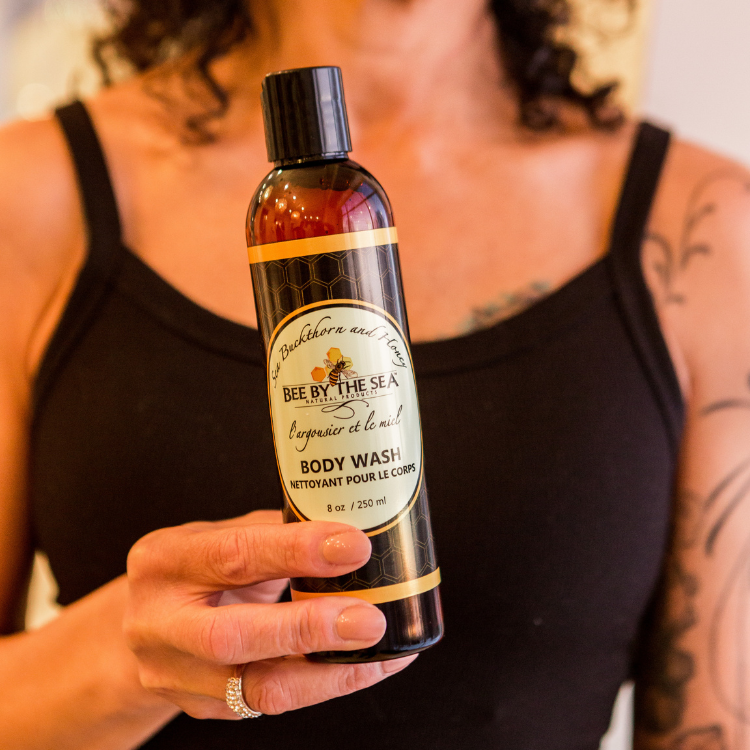
Decide Between Fragranced and Fragrance-Free Body Wash
Fragrance is often one of the main differences between body wash products.
A fragranced body wash can make showering more enjoyable for people who like scented personal care products. Options may include floral, citrus, woody, fresh, or sweet scents.
However, fragrance may not suit everyone. People with sensitive or reactive skin may find fragrance-free products more comfortable.
It is important to distinguish between “unscented” and “fragrance-free.” An unscented product may still contain ingredients that neutralize or mask natural product odors, while fragrance-free generally indicates that fragrance has not been intentionally added.
Choose the Right Texture
Body washes come in several textures, and each can provide a different cleansing experience.
Gel cleansers tend to feel lightweight and rinse away easily. Cream body washes are usually richer and can suit dry skin. Foaming washes create more lather, while oil-based body cleansers may appeal to people who want a softer after-wash feel.
Texture does not automatically determine quality. The best choice depends on your skin and personal preference.
Consider Specific Skin Concerns
A general body wash is suitable for many people, but certain skin concerns may require a more targeted product.
For body acne, a cleanser containing salicylic acid or benzoyl peroxide may be considered, depending on individual needs. For rough or uneven-feeling skin, formulas containing mild exfoliating acids may help improve texture.
For very dry areas, a gentle hydrating cleanser may be more appropriate than a conventional soap or strong detergent-based wash.
Persistent rashes, severe acne, eczema, or unexplained irritation should not be managed only by changing body wash. Professional medical advice may be appropriate in such cases.
Avoid Over-Cleansing the Skin
Using too much cleanser or washing repeatedly can remove natural oils from the skin.
For most people, a small amount of body wash is sufficient. Focus on areas where sweat, oil, and odor tend to accumulate, including the underarms, feet, groin area, chest, and back.
Gentle cleansing is generally preferable to aggressive scrubbing. Loofahs and rough exfoliating tools should also be used carefully, particularly on sensitive skin.
Pay Attention to Water Temperature
Very hot showers can contribute to dryness and irritation.
Warm water is usually sufficient for effective cleansing and may be more comfortable for the skin. After bathing, gently pat the skin dry instead of rubbing vigorously.
Applying moisturizer shortly after showering can also help reduce moisture loss, especially for dry skin.
Test New Products Carefully
Even a body wash designed for a particular skin type may not suit every individual.
When trying a new formula, monitor your skin for dryness, itching, redness, breakouts, or discomfort. If the product feels comfortable after repeated use, it may be suitable for your routine.
People with particularly sensitive skin may prefer testing a small amount on a limited area before using the product more widely.
Conclusion
The right body cleanser depends on more than fragrance or packaging. Skin type, ingredient profile, texture, cleansing strength, and individual skin concerns all play an important role.
Using this Body Wash Guide: Choose the Right One can help you compare products more carefully and select a formula that supports comfortable daily cleansing. Dry skin may benefit from moisturising ingredients, oily or breakout-prone skin may require targeted cleansing, and sensitive skin often responds better to simple, fragrance-free formulas.
The most suitable body wash is ultimately one that cleans effectively without leaving your skin feeling excessively dry, tight, itchy, or irritated.