

A consistent skincare routine can help maintain hydration, support the skin barrier, and improve the overall appearance of the skin. While cleansers, serums, and sunscreen all have specific roles, face cream is often one of the most important products for keeping the skin comfortable and moisturized.
The Ultimate Guide to Perfect Skincare Regimen With Face Cream focuses on using face cream correctly within a balanced skincare routine. The right product and application method can help reduce dryness, support moisture retention, and complement other skincare products.
Rather than using several products without a clear purpose, it is better to create a simple routine based on your skin type, concerns, and daily environment.
Why Face Cream Matters in a Skincare Routine
Face cream is primarily designed to moisturize the skin and reduce water loss from its surface. Depending on the formulation, it may also contain ingredients that support specific concerns such as dryness, uneven texture, dullness, or visible signs of ageing.
Moisturizing is important because cleansing, weather conditions, air conditioning, sun exposure, and certain skincare products can affect the skin’s moisture balance.
A suitable face cream helps create a protective layer over the skin while providing ingredients that support hydration.
Face Cream and the Skin Barrier
The skin barrier helps protect the body from external factors while limiting excessive moisture loss. When it becomes dry or disrupted, the skin may feel tight, rough, or uncomfortable.
Face creams containing ingredients such as ceramides, glycerin, hyaluronic acid, fatty acids, or squalane may help support hydration and barrier function.
However, the ideal formulation depends on individual skin needs.
Start With Proper Cleansing
A skincare regimen should begin with cleansing. Cleansing removes dirt, excess oil, sunscreen, makeup, and other residue that may accumulate on the skin during the day.
Choose a cleanser according to your skin type.
People with dry or sensitive skin may prefer a gentle cream or lotion cleanser, while those with oily skin may find a lightweight gel cleanser more suitable.
Avoid repeatedly washing the face throughout the day unless necessary, as excessive cleansing may contribute to dryness or irritation.
After cleansing, gently pat the skin dry rather than rubbing it with a towel.
Apply Targeted Skincare Products Before Face Cream
If your routine includes toner, essence, treatment serum, or another lightweight skincare product, these are generally applied before face cream.
A practical approach is to layer products from lighter textures to heavier textures.
For example:
- Cleanser
- Toner or essence
- Serum
- Eye product, if used
- Face cream
- Sunscreen during the daytime
This order allows lightweight products to reach the skin before a richer cream forms the final moisturizing layer.
Avoid Overloading the Routine
Using too many active ingredients at the same time can increase the risk of dryness or irritation.
A skincare routine does not need to contain numerous serums or treatment products to be effective. Start with basic steps and introduce additional products only when they address a clear concern.
Simple routines are often easier to follow consistently.
Choose a Face Cream Based on Your Skin Type
Not every face cream is suitable for every skin type. Texture and formulation should be considered before adding a product to your routine.
For dry skin, richer creams containing emollient and moisturizing ingredients may provide greater comfort.
For oily skin, lightweight gel creams or non-greasy moisturizers may provide hydration without feeling heavy.
Combination skin may require a balanced formulation or different amounts of moisturizer on different areas of the face.
Sensitive skin may benefit from simple formulations with fewer potentially irritating ingredients.
Consider Your Main Skin Concerns
Skin type and skin concerns are not always the same.
Someone with oily skin may also experience dehydration, while a person with dry skin may be concerned about pigmentation or visible fine lines.
When selecting a face cream, look beyond texture and consider what the formulation is designed to address.
How to Apply Face Cream Correctly
The amount of face cream required depends on the product’s texture and individual skin needs. In most cases, a small amount is sufficient for the entire face.
Apply the cream in small dots across the forehead, cheeks, nose, and chin. Gently spread it using clean fingertips.
Avoid aggressive rubbing or stretching of the skin.
Face cream can also be applied to the neck if the product is suitable for that area.
Applying moisturizer while the skin is slightly damp may help retain additional moisture, particularly for people who experience dryness.
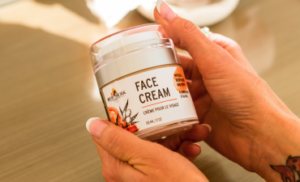
Build a Morning Skincare Routine
A morning skincare routine should prepare the skin for the day and provide appropriate protection.
Begin with cleansing or rinsing the face, depending on your skin type and personal routine. Follow with any suitable treatment products and then apply face cream.
The final daytime step should usually be sunscreen.
Face cream and sunscreen perform different functions. Moisturizer supports hydration, while sunscreen helps protect the skin from ultraviolet radiation.
Even when using a moisturizer that contains SPF, check whether it provides sufficient broad-spectrum protection for your needs.
Use Face Cream as Part of Your Night Routine
Nighttime is an opportunity to remove sunscreen, makeup, pollution, and other residue accumulated during the day.
Cleanse the skin thoroughly before applying treatment products and face cream.
Some people prefer a slightly richer moisturizer at night, particularly if their skin feels dry. Others may use the same face cream during both their morning and evening routines.
There is no requirement to use separate creams unless your skin needs or product formulations justify it.
Adjust Your Routine With the Seasons
Skin can behave differently depending on temperature, humidity, and environmental conditions.
During colder or drier months, you may need a richer moisturizer or slightly more product. In humid conditions, a lighter formulation may feel more comfortable.
Air conditioning and indoor heating can also increase dryness, even when outdoor temperatures are moderate.
Review your routine periodically rather than assuming the same products will work equally well throughout the year.
Give Your Skincare Routine Time
Consistency is more important than frequently changing products.
While hydration and comfort may improve relatively quickly after applying a suitable face cream, other skincare concerns can take longer to show noticeable changes.
Introduce products gradually and observe how your skin responds. If a product causes persistent redness, burning, itching, or discomfort, discontinue use and seek professional advice when appropriate.
Conclusion
The Ultimate Guide to Perfect Skincare Regimen With Face Cream is based on a simple principle: choose products according to your skin’s needs and use them in a consistent order.
Begin with gentle cleansing, apply targeted products when necessary, moisturize with an appropriate face cream, and finish the morning routine with sunscreen. Selecting the right face cream for your skin type and adjusting it according to seasonal changes can help maintain hydration and comfort.
A well-planned skincare regimen does not need to be complicated. Consistent cleansing, moisturizing, sun protection, and careful product selection can provide a practical foundation for everyday skin care.