
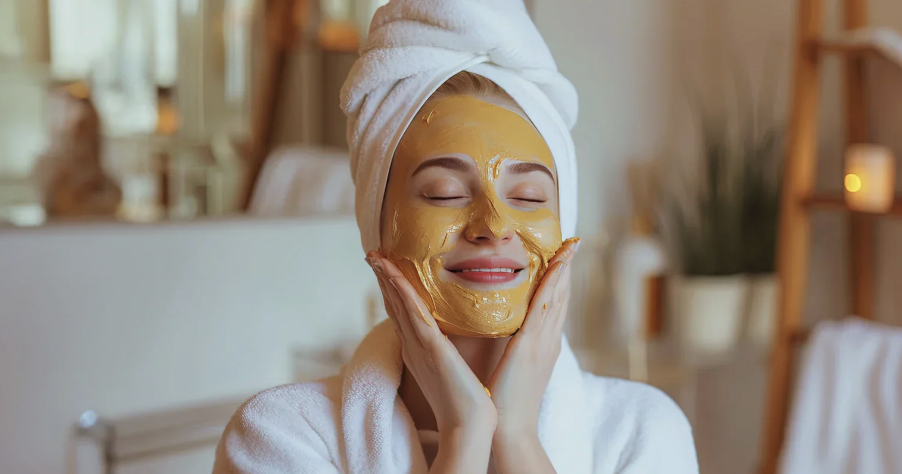
Clay masks have remained a popular part of skincare routines because they offer a practical way to cleanse the skin, absorb excess oil, and improve the appearance of clogged pores. Depending on the type of clay used, these masks may also help the skin feel smoother and look more refreshed.
The 7 Surprising Benefits of Using a Clay Mask for Radiant Skin go beyond basic cleansing. When used correctly, a clay mask can support a balanced skincare routine by removing surface impurities, managing shine, and preparing the skin for other products.
Different clays, including kaolin, bentonite, and French green clay, have varying absorption levels. Choosing the right type for your skin and avoiding overuse are important for getting the best results.
1. Helps Absorb Excess Oil
One of the most recognised benefits of a clay mask is its ability to absorb excess sebum from the skin’s surface.
Sebum is a natural oil that helps protect the skin, but excessive production can leave the face looking greasy and may contribute to clogged pores. Clay can temporarily absorb some of this excess oil, giving the skin a cleaner and less shiny appearance.
Particularly Useful for Oily Areas
People with combination skin do not necessarily need to apply clay over the entire face. The mask can be concentrated on oilier areas, such as the forehead, nose, and chin.
This targeted approach can help reduce unnecessary dryness on areas that naturally produce less oil.
2. Helps Remove Surface Impurities
Throughout the day, the skin comes into contact with oil, sweat, skincare products, makeup, and environmental particles. Regular cleansing removes much of this buildup, but a clay mask can provide an additional cleansing step.
Clay particles can bind to oils and surface debris, which are then removed when the mask is rinsed away.
This can leave the skin feeling noticeably cleaner, particularly when the mask is used after removing makeup and washing the face.
3. Can Improve the Appearance of Pores
Clay masks cannot permanently change pore size. However, they may make pores appear less noticeable by removing excess oil and debris from the skin’s surface.
When pores contain oil and accumulated material, they can look more visible. Regular but moderate use of an appropriate clay mask may help keep the skin around the pores cleaner.
Focus on Consistent Care
Pore appearance is influenced by several factors, including genetics, skin type, age, and oil production. Clay masks should therefore be viewed as one part of a wider skincare routine rather than a permanent solution for enlarged pores.
Daily cleansing and suitable moisturisation remain important.
4. Leaves Skin Feeling Smoother
Another reason clay masks are commonly used is the smoother texture they can create after rinsing.
As the mask removes surface oil and buildup, the skin may feel softer and more even to the touch. Some formulations also include fine clay particles that provide mild physical exfoliation while the product is washed away.
However, aggressive scrubbing should be avoided. Allowing the ingredients to work without excessive rubbing is generally more suitable for maintaining the skin barrier.
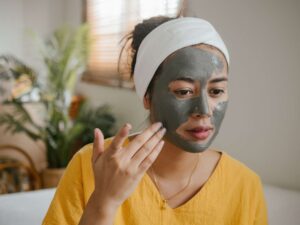
5. Supports a Fresher-Looking Complexion
A buildup of oil, sweat, and dead surface cells can sometimes make the complexion appear dull. Removing this excess material can temporarily make the skin look cleaner and brighter.
A clay mask does not directly change the natural tone of the skin, but the cleansing effect can help improve its overall appearance.
For people exploring the 7 Surprising Benefits of Using a Clay Mask for Radiant Skin, this refreshed appearance is often one of the most noticeable immediate results.
Follow With Moisturiser
Clay can absorb both excess oil and some of the moisture present on the skin’s surface. Applying a suitable moisturiser afterward can help maintain hydration and reduce feelings of tightness.
This step is particularly important for people with normal, combination, or slightly dry skin.
6. May Help Manage Occasional Breakouts
Excess oil and clogged pores can contribute to certain types of blemishes. By absorbing surface oil and helping remove impurities, clay masks may support skincare routines for people who experience occasional congestion.
Some clay mask formulations also contain ingredients such as salicylic acid, niacinamide, or soothing botanical extracts.
However, people with persistent or severe acne should avoid relying entirely on cosmetic masks. Appropriate acne treatment may require products specifically formulated for the condition or advice from a dermatologist.
7. Creates a Useful Weekly Skincare Reset
Clay masks can also serve as an occasional treatment when the skin feels particularly oily or congested.
Using a mask once or twice a week, depending on skin type and formulation, can complement daily cleansing without making the skincare routine unnecessarily complicated.
This occasional use may be particularly helpful after wearing heavier makeup, spending time in humid conditions, or experiencing increased oil production.
Avoid Leaving Clay Masks on Too Long
A clay mask does not need to become completely dry and cracked to work effectively. Leaving it on for longer than recommended may increase dryness or irritation.
Always follow the product’s instructions and rinse the mask off gently with lukewarm water.
How to Choose the Right Clay Mask
Different types of clay suit different skincare needs.
Kaolin clay is generally considered gentler and may suit normal, combination, or mildly oily skin. Bentonite is more absorbent and is commonly included in products designed for oily or congested skin. French green clay is also known for its oil-absorbing properties.
In addition to the type of clay, review the complete ingredient list. People with sensitive skin may prefer formulas without strong fragrances, excessive exfoliating acids, or ingredients that have previously caused irritation.
A patch test can also be useful when trying a new product.
How to Use a Clay Mask Correctly
Start by cleansing the face to remove sunscreen, makeup, oil, and surface dirt. Apply an even layer of the clay mask while avoiding the delicate eye and lip areas.
Leave the product on for the amount of time specified by the manufacturer. Once ready, rinse thoroughly with lukewarm water and pat the skin dry rather than rubbing it.
Finish with a moisturiser suitable for your skin type. If the mask is used during the daytime, sunscreen should remain part of the routine before going outdoors.
Conclusion
The 7 surprising benefits of using a clay mask for radiant skin include absorbing excess oil, removing surface impurities, improving the appearance of pores, supporting smoother texture, refreshing the complexion, helping with occasional congestion, and providing an effective addition to a weekly skincare routine.
The best results come from choosing a clay mask suited to your skin type and using it in moderation. Rather than treating clay masks as a replacement for everyday skincare, they are most useful when combined with gentle cleansing, proper moisturisation, and regular sun protection.