
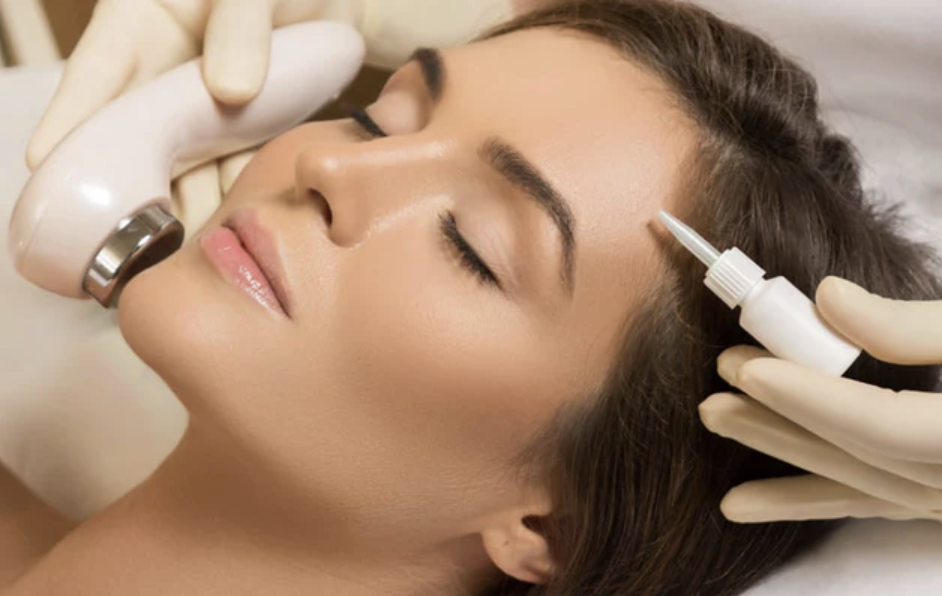
Face polishing is a skincare method used to remove dead skin cells, improve skin texture, and give the face a smoother appearance. While it is often compared with exfoliation, face polish products are generally designed to refine the skin’s surface through gentle physical or chemical exfoliating ingredients.
If you are trying to understand everything you need to know about face polish, it is important to look beyond the immediate smoothness it can provide. The results depend on the product formulation, your skin type, how frequently you use it, and the rest of your skincare routine.
What Is Face Polish?
A face polish is a skincare product or treatment designed to remove dead skin cells and surface buildup from the face. It may contain fine exfoliating particles, fruit enzymes, mild acids, or a combination of ingredients that help improve the texture of the skin.
The main purpose of face polishing is to support normal skin renewal. Dead skin cells naturally accumulate on the outermost layer of the skin. When this buildup becomes uneven, the skin may appear dull, rough, or less smooth.
Face polish helps remove some of this surface buildup so that the skin feels softer and looks more even.
How Is Face Polish Different From A Face Scrub?
Face scrubs and face polishes can perform similar functions, but their formulations may differ.
Traditional face scrubs often rely mainly on physical particles that manually exfoliate the skin. Face polish products may use finer particles or combine physical exfoliation with enzymes or mild chemical exfoliants.
The term face polish does not follow one universal formulation standard. For this reason, it is important to read the ingredient list and usage instructions rather than relying only on the product name.
How Does Face Polish Work?
Face polish works by loosening and removing dead cells from the surface of the skin.
Physical face polish products use small particles that move across the skin during massage. Chemical or enzyme-based formulations help break down the bonds between dead skin cells so they can be removed more easily.
This exfoliating process may make the surface of the skin feel smoother immediately after use.
However, face polishing does not permanently change skin texture, pore size, or pigmentation. Regular skincare habits, sun protection, hydration, and suitable treatment products are also important for maintaining the overall appearance of the skin.
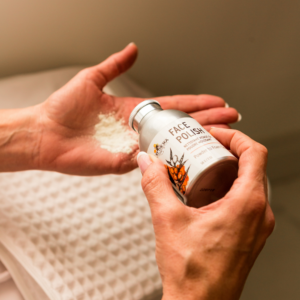
What Are The Benefits Of Face Polish?
When used correctly, face polish may provide several skincare benefits.
One of the most noticeable benefits is smoother skin texture. Removing surface buildup can reduce the rough feeling caused by accumulated dead skin cells.
Face polishing may also make dull-looking skin appear fresher because the upper layer of dead cells is removed. Makeup may apply more evenly on a smoother skin surface as well.
Another possible benefit is improved application of skincare products. Removing excess surface buildup may allow moisturisers and other topical products to spread more evenly across the skin.
These benefits can vary depending on skin condition, product formulation, and frequency of use.
How To Use Face Polish Correctly
The correct method depends on the instructions provided with the product. However, most face polish products are used after cleansing.
Start by washing your face with a gentle cleanser to remove makeup, sunscreen, oil, and dirt. Pat the skin lightly so that it remains slightly damp if the product instructions recommend application on damp skin.
Apply a small amount of face polish and gently massage it across the face using circular movements.
Avoid Excessive Pressure
Using more pressure does not increase the effectiveness of exfoliation. In fact, aggressive rubbing can irritate the skin and affect its natural barrier.
Pay particular attention to areas where roughness is common, while avoiding sensitive areas around the eyes.
After the recommended massage time, rinse the product thoroughly with lukewarm water and follow with a suitable moisturiser.
If you polish your face during the daytime, apply broad-spectrum sunscreen before going outdoors.
How Often Should You Use Face Polish?
The ideal frequency depends on both your skin type and the strength of the product.
For many people, using a face polish once or twice a week may be enough. Some mild products may be suitable for more frequent use, while stronger formulations should be used less often.
Exfoliating too frequently may cause dryness, sensitivity, redness, or irritation.
People with oily skin may feel tempted to exfoliate regularly to remove excess oil. However, frequent scrubbing does not necessarily control oil production and may leave the skin uncomfortable.
Always follow the product instructions and reduce usage if the skin becomes irritated.
Choosing Face Polish For Your Skin Type
Different skin types may respond differently to exfoliating products.
Face Polish For Dry Skin
Dry skin usually benefits from gentle exfoliation combined with moisturising ingredients. Avoid products with large or rough particles that may make dryness more noticeable.
Look for formulas that support hydration after exfoliation.
Face Polish For Oily Skin
Oily skin can also experience dead skin buildup. A mild face polish may help improve surface texture, but it should not be used as a method to aggressively remove natural oils.
Non-comedogenic formulations may be preferable for people who are prone to clogged pores.
Face Polish For Sensitive Skin
Sensitive skin generally requires more caution. Strong acids, rough particles, or frequent exfoliation may cause irritation.
Patch testing a new product and using it less frequently can help determine whether it suits your skin.
Can Face Polish Help With Acne?
Face polish is not a treatment for every type of acne.
Physical exfoliation over inflamed pimples may irritate the skin and make redness more noticeable. People with active or persistent acne should be cautious with abrasive products.
Certain chemical exfoliating ingredients are used in acne-focused skincare products, but they should be selected according to individual skin needs.
If acne is severe, painful, or persistent, professional dermatological advice may be more appropriate than experimenting with strong exfoliating products.
What Should You Avoid After Face Polishing?
After exfoliation, the skin may temporarily be more sensitive.
Avoid combining several strong exfoliating ingredients during the same skincare routine unless the products are specifically formulated to be used together.
Using strong acids, retinoids, abrasive scrubs, and other potentially irritating products at the same time may increase dryness or discomfort.
It is also important to avoid unnecessary sun exposure. Sunscreen should remain part of your daily skincare routine because exfoliation does not replace sun protection.
Face Polish Vs Facial Treatment
Face polishing at home is different from professional facial treatments performed at salons or dermatology clinics.
Professional treatments may involve specialised exfoliation techniques, equipment, chemical peels, or other procedures depending on the treatment selected.
Home face polish products are generally intended for routine surface exfoliation and should be used according to the directions provided.
Neither approach should involve excessive exfoliation, as damaging the skin barrier can lead to irritation.
Final Thoughts
Understanding Everything You Need To Know About Faces Polish starts with recognising that face polishing is mainly a form of exfoliation. It can help remove dead skin cells, improve the feel of rough skin, and create a smoother surface when used appropriately.
The key is moderation. Choosing a formula suited to your skin type, avoiding aggressive rubbing, moisturising after use, and applying sunscreen can help you include face polish in a balanced skincare routine.
Rather than using face polish as a quick solution for every skin concern, treat it as one part of regular skincare alongside cleansing, moisturising, sun protection, and products selected for your individual skin needs.