

Keeping skin moisturised is an important part of maintaining a comfortable, healthy-looking complexion. Daily exposure to dry air, changing weather, cleansing products, indoor heating, air conditioning, and other environmental factors can affect the skin’s natural moisture balance. For people who regularly experience dryness or tightness, adding a face oil to a skincare routine may provide additional support.
But Can Nourishing Face Oil Help Keep Your Skin Moisturised? The answer depends on how the oil is formulated, when it is applied, and the individual needs of your skin. Face oils do not usually add water to the skin directly. Instead, they can help reduce moisture loss and support the skin’s natural protective barrier.
How Does Skin Lose Moisture?
The outermost layer of the skin acts as a protective barrier. It helps keep water inside the skin while limiting exposure to environmental irritants. When this barrier is working properly, the skin generally feels smooth, flexible, and comfortable.
However, factors such as frequent washing, harsh cleansers, low humidity, sun exposure, and seasonal weather changes may weaken this protective layer. As moisture escapes, the skin can begin to feel dry, rough, flaky, or tight.
A well-planned skincare routine should therefore focus on both adding moisture and helping the skin retain it.
What Is A Nourishing Face Oil?
A nourishing face oil is usually made with plant-based oils, botanical extracts, or other oil-soluble ingredients designed to condition the skin. Depending on the formulation, these oils may contain naturally occurring fatty acids and antioxidants that help support the skin barrier.
Common facial oils may include ingredients such as jojoba oil, rosehip oil, squalane, argan oil, sunflower oil, or almond oil. Each ingredient has a slightly different texture and composition, which means certain oils may be more suitable for particular skin types.
How Face Oil Supports Moisture Retention
Face oil mainly works by creating a light protective layer on the skin’s surface. This layer can slow down the evaporation of water from the skin.
For this reason, face oil is often most effective when applied after a moisturizer or hydrating serum. The water-based products provide hydration, while the oil helps reduce moisture loss.
Using oil alone on very dry skin may not always provide enough hydration because oil does not replace the water the skin needs.
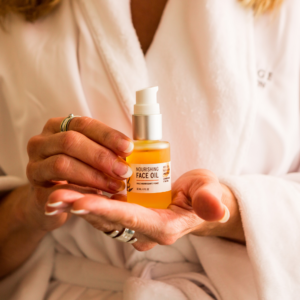
Benefits Of Using Nourishing Face Oil
One of the main reasons people include face oil in their skincare routine is to improve the way dry or dehydrated skin feels. Regular use may help soften rough areas and improve the appearance of skin that looks dull due to dryness.
Face oil may also help support the skin barrier by providing lipids that complement the natural oils already present in the skin. A stronger moisture barrier can make the skin feel more comfortable and less prone to tightness.
Another benefit is flexibility. A few drops of facial oil can often be added to an existing routine without replacing other products.
Face Oil For Dry And Dehydrated Skin
Dry skin produces less natural oil, while dehydrated skin lacks sufficient water. These conditions are different, although they can sometimes occur together.
People with dry skin may find nourishing oils particularly useful because they can help replace some of the lipids missing from the skin’s surface.
For dehydrated skin, it is usually better to use a water-based hydrating product first and then apply the face oil afterward. This approach helps address both hydration and moisture retention.
How To Use Face Oil In Your Skincare Routine
Face oil is generally used toward the end of a skincare routine. Start by cleansing the skin gently and applying any lightweight hydrating products, such as toner or serum.
Next, apply your regular moisturizer. Once it has absorbed slightly, place two or three drops of face oil into your palm and gently press it over the face.
Applying too much oil is usually unnecessary. A small amount can spread easily across the skin and provide sufficient coverage.
Face oil can be used once or twice daily depending on the product instructions and how your skin responds. People with very dry skin may prefer using it at night, when the skin has several hours without exposure to makeup or environmental conditions.
Choosing A Face Oil For Your Skin Type
Not every facial oil suits every skin type. Texture, ingredient composition, and personal sensitivity should all be considered.
For dry skin, richer oils containing nourishing fatty acids may provide additional comfort. For combination or oily skin, lightweight oils such as squalane or jojoba oil may feel less heavy.
Sensitive skin may benefit from simple formulations with fewer added fragrances or unnecessary ingredients. Before using a new product across the entire face, applying a small amount to a limited area can help identify possible irritation.
Can Oily Skin Use Face Oil?
Oily skin can still experience dehydration. However, people with oily or acne-prone skin should select face oils carefully.
Heavy oils may feel uncomfortable or may not suit skin that is prone to clogged pores. Lightweight, non-comedogenic formulations are generally a more suitable starting point.
Face oil should also complement a balanced skincare routine rather than replacing cleansing, moisturising, or sun protection.
Face Oil and Moisturiser Work Differently
Face oil and moisturiser perform related but different functions. Moisturisers often contain a combination of water, humectants, emollients, and occlusive ingredients that help increase hydration and reduce water loss.
Face oils are primarily emollient and occlusive. They help soften the skin and create a protective layer that supports moisture retention.
Using both products can therefore be useful for people whose skin needs additional moisture support, particularly during colder months or in dry environments.
Final Thoughts
So, can nourishing face oil help keep your skin moisturised? Yes, it can support moisture retention by helping reduce water loss and strengthening the skin’s surface barrier. However, face oil works most effectively as part of a complete skincare routine rather than as a replacement for hydration.
For many people, applying a few drops after moisturiser can help the skin feel softer, smoother, and more comfortable. Choosing an oil that suits your skin type and using it consistently can make it easier to maintain balanced moisture levels throughout the day.