
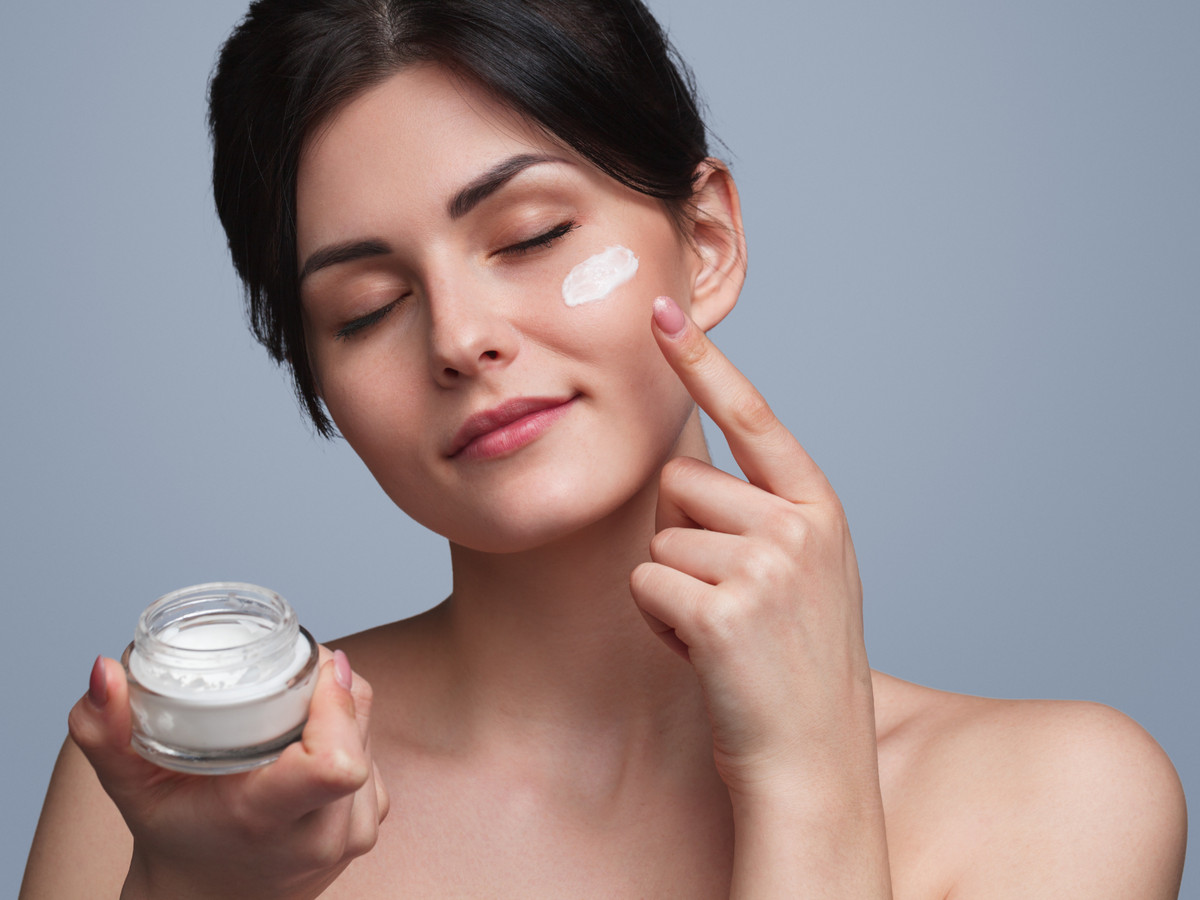
Dry and dull-looking skin can make the face appear tired, rough, and uneven. Changes in weather, lack of moisture, frequent cleansing, environmental exposure, and an unsuitable skincare routine can all contribute to this appearance. One product often recommended for nighttime skincare is an overnight cream.
But Is Overnight Cream Good for Dry and Dull-Looking Skin? In many cases, it can be useful because overnight creams are generally designed to provide moisture and support the skin barrier while you sleep. Their effectiveness, however, depends on the ingredients, your skin type, and how consistently the product is used.
What Is an Overnight Cream?
An overnight cream is a moisturising skincare product formulated for use before bedtime. Unlike lightweight daytime moisturisers, overnight creams often have a richer texture and contain ingredients intended to reduce moisture loss during the night.
While you sleep, the skin can continue to lose water through its surface. Applying a suitable cream before bed can help create a protective layer that keeps moisture within the skin.
Overnight creams may contain humectants, emollients, occlusives, antioxidants, and other skin-conditioning ingredients depending on the formulation.
How Overnight Cream Helps Dry Skin
Dry skin usually lacks sufficient moisture or natural oils. This can lead to tightness, flaking, rough texture, and increased sensitivity.
Helps Reduce Moisture Loss
One of the main functions of an overnight cream is to limit water loss from the skin. Ingredients such as glycerin and hyaluronic acid can attract water, while emollients and occlusive ingredients help keep it from evaporating quickly.
When used regularly, this combination can make dry skin feel softer and more comfortable by morning.
Supports the Skin Barrier
The skin barrier helps protect the body from environmental irritants while preventing excess moisture loss. When this barrier becomes weakened, the skin may feel dry, rough, or sensitive.
Overnight creams containing ingredients such as ceramides, fatty acids, or squalane may help support the skin’s natural barrier. This can be particularly useful for people who experience dryness due to seasonal weather changes or frequent cleansing.
Can Overnight Cream Improve Dull-Looking Skin?
Dull-looking skin does not always have a single cause. Dehydration, dead skin cell buildup, sun exposure, lack of sleep, and an inconsistent skincare routine may all affect how bright or smooth the skin appears.
An overnight cream can help when dullness is connected to dryness or dehydration.
Improves the Appearance of Skin Texture
Well-hydrated skin often appears smoother because moisture can reduce the visible appearance of rough, flaky areas. When light reflects more evenly from the skin’s surface, the complexion may also appear fresher.
An overnight cream will not immediately change the natural colour of the skin, but improved hydration can make tired or dull-looking skin appear healthier.
May Support More Even-Looking Skin
Some overnight creams contain ingredients such as niacinamide, vitamin C derivatives, or mild exfoliating ingredients. Depending on the formulation, these ingredients may help improve uneven-looking tone or texture over time.
It is important to choose products based on your skin’s tolerance rather than using several active ingredients at once.
Ingredients to Look for in an Overnight Cream
The ingredient list can help determine whether a cream is suitable for dry and dull-looking skin.
Humectants
Humectants attract water to the outer layers of the skin. Common examples include glycerin, hyaluronic acid, panthenol, and urea.
These ingredients are particularly useful for skin that feels dehydrated or tight.
Emollients
Emollients help smooth spaces between skin cells and improve softness. Ingredients such as squalane, shea butter, plant-derived oils, and certain fatty alcohols are commonly used for this purpose.
People with very dry skin may benefit from richer emollient-based formulations.
Barrier-Supporting Ingredients
Ceramides, cholesterol, and fatty acids are components associated with the skin’s natural barrier. Creams containing these ingredients may help maintain moisture and reduce dryness.
Antioxidants
Antioxidants such as vitamin E, niacinamide, and vitamin C derivatives may help protect the skin from environmental stress while supporting a more even-looking complexion.
How to Use Overnight Cream Correctly
An overnight cream should usually be applied as the final moisturising step of an evening skincare routine.
Start by cleansing the face with a gentle cleanser to remove sunscreen, makeup, excess oil, and surface impurities. If you use a serum or treatment product, apply it according to its instructions.
Then take a small amount of overnight cream and spread it evenly across the face and neck. Avoid applying too much, as a thicker layer does not always provide better results.
Consistency is more important than quantity. Regular nighttime use may gradually help improve dryness and the appearance of rough or dull-looking skin.
Who Should Be Careful With Overnight Creams?
Not every overnight cream is suitable for every skin type.
People with oily or acne-prone skin may find very heavy creams uncomfortable or more likely to contribute to clogged pores. In such cases, a lightweight, non-comedogenic night moisturiser may be a better choice.
Sensitive skin types should also check for fragrances or strong active ingredients that may cause irritation. Testing a new product on a small area before applying it to the entire face can help identify possible reactions.
If persistent dryness, itching, redness, or irritation continues despite regular moisturising, consulting a dermatologist may be appropriate.
Conclusion
So, Is Overnight Cream Good for Dry and Dull-Looking Skin? It can be a helpful addition to a nighttime skincare routine, particularly when dryness and dullness are linked to dehydration or a weakened skin barrier.
A suitable overnight cream can help reduce moisture loss, soften rough areas, support the skin barrier, and improve the overall appearance of skin texture. The most suitable product will depend on your skin type and the ingredients included in the formula.
For better results, combine overnight moisturising with gentle cleansing, daily sun protection, adequate hydration, and a consistent skincare routine.