
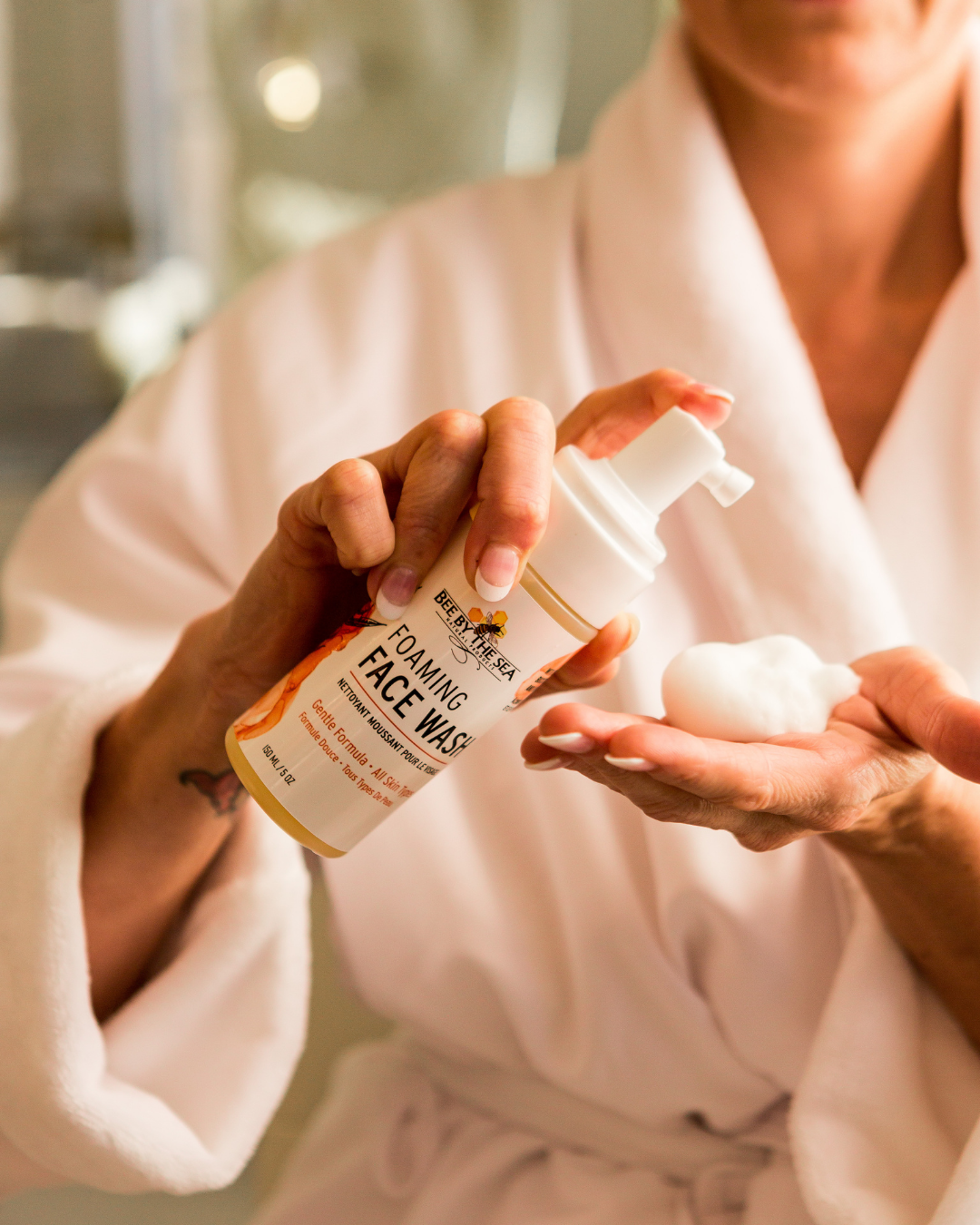
Cleansing is an important part of a daily skincare routine. Throughout the day, the skin comes into contact with oil, sweat, sunscreen, makeup, dust, and other impurities. A suitable cleanser helps remove this buildup while preparing the skin for the products that follow.
A foaming face wash creates a light lather when mixed with water and can be a practical cleansing option for many skin types. However, using too much product, washing too frequently, or choosing a formula that does not suit your skin may leave it feeling dry or uncomfortable.
Understanding how to use foaming face wash in your skincare routine can help you cleanse effectively while maintaining a simple and consistent approach to daily skincare.
What Is a Foaming Face Wash?
A foaming face wash is a facial cleanser designed to produce foam or lather when combined with water. It helps lift away surface oil, dirt, sweat, sunscreen, and other residue that can collect on the skin.
Foaming cleansers are often associated with oily or combination skin because they can help remove excess surface oil. However, formulations vary considerably. Some contain moisturising ingredients and mild cleansing agents that may also be suitable for normal or certain dry skin types.
The right option depends on the cleanser’s ingredients, your skin type, and how your skin feels after washing.
Why Include a Foaming Face Wash in Your Routine?
Regular cleansing helps keep the skin free from substances that accumulate during daily activities. It can also provide a clean surface before applying moisturisers, serums, or other skincare products.
A foaming cleanser can be particularly useful when the skin feels oily or has been exposed to sweat and environmental dirt. The foam spreads easily across damp skin, making it possible to cleanse the face without aggressive scrubbing.
The goal should be clean, comfortable skin rather than a tight or overly dry feeling.
How to Use Foaming Face Wash Correctly
Using a foaming face wash does not require a complicated process. Paying attention to water temperature, application, and rinsing can make cleansing more comfortable.
Step 1: Wash Your Hands
Start by washing your hands thoroughly. Hands regularly come into contact with surfaces, phones, keyboards, and other objects. Cleaning them first helps prevent transferring additional dirt to your face during cleansing.
Step 2: Wet Your Face With Lukewarm Water
Splash your face with lukewarm water before applying the cleanser.
Very hot water can contribute to dryness and discomfort, while extremely cold water is not necessary for effective cleansing. Lukewarm water is generally a practical choice for preparing the skin.
Step 3: Apply a Small Amount of Face Wash
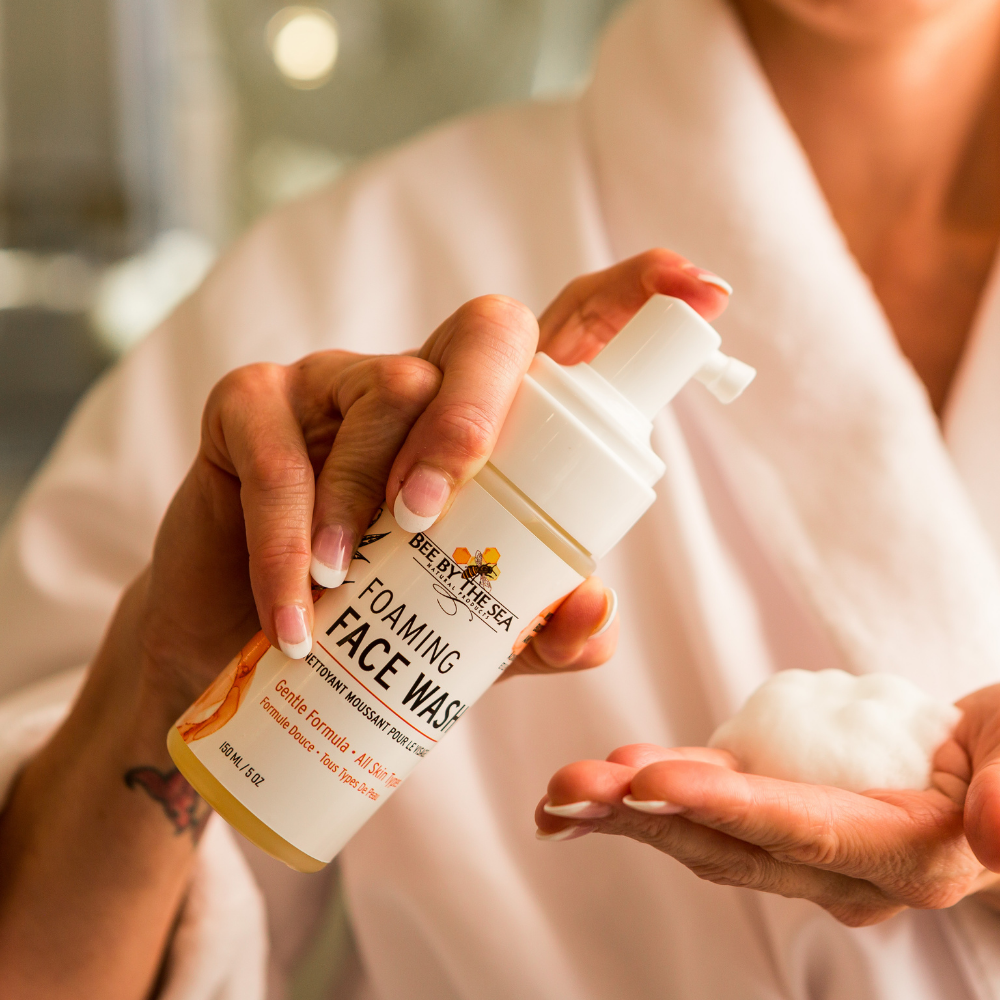
Dispense a small amount of foaming face wash into your palm. Follow the product’s directions regarding the recommended quantity.
Add a little water if needed and gently work the cleanser between your hands to create a light foam before applying it to your face.
Step 4: Massage Gently
Apply the foam to your damp face using your fingertips. Massage it gently with circular motions, paying attention to areas where oil tends to collect, such as the forehead, nose, and chin.
Avoid aggressive rubbing or scrubbing. More pressure does not necessarily result in cleaner skin and may cause unnecessary irritation.
Keep the cleanser away from the eyes unless the product is specifically formulated for use around that area.
Step 5: Rinse Thoroughly
Rinse your face with lukewarm water until the cleanser has been completely removed.
Pay attention to areas around the hairline, nose, and jaw, where cleanser residue can sometimes remain.
Step 6: Dry Your Face Gently
Use a clean, soft towel to pat the skin dry rather than rubbing it.
Leaving the skin slightly comfortable rather than aggressively drying it prepares it for the next steps in your routine.
What Should You Apply After Cleansing?
After cleansing, you can continue with skincare products suited to your individual needs.
Follow With Moisturiser
Applying a moisturiser after washing can help support the skin’s moisture balance. Choose a texture appropriate for your skin type and preferences.
During the daytime, sunscreen should generally be applied as the final skincare step before sun exposure. At night, your routine may end with a moisturiser or include other products recommended for your particular skincare needs.
How Often Should You Use Foaming Face Wash?
Many people cleanse their face once or twice daily, but the appropriate frequency can vary.
Morning cleansing can remove oil and sweat that accumulate overnight. Evening cleansing helps remove sunscreen, makeup, excess oil, and dirt collected during the day.
If your skin feels dry, tight, itchy, or uncomfortable after washing, consider whether you are cleansing too frequently or using a formula that is too harsh for your skin.
Choosing a Foaming Face Wash for Your Skin Type
Your skin type should influence your choice of cleanser.
People with oily skin may prefer formulas designed to remove excess surface oil without leaving the face excessively dry. Combination skin may require a balanced cleanser that cleans oily areas without causing discomfort elsewhere.
If you have dry or sensitive skin, look for mild formulas and pay attention to how your skin responds after cleansing. Fragrance and certain cleansing ingredients may not suit everyone.
Check How Your Skin Feels After Washing
Your skin’s response can provide useful information about whether a cleanser suits you. After washing, the face should generally feel clean and comfortable.
Persistent redness, burning, itching, flaking, or tightness may indicate that the product or cleansing routine needs to be adjusted. If irritation continues, consider consulting a dermatologist.
Common Foaming Face Wash Mistakes to Avoid
Using too much cleanser, washing repeatedly throughout the day, scrubbing aggressively, and using very hot water can make cleansing unnecessarily harsh.
Another common mistake is assuming that more foam means better cleansing. The amount of lather does not by itself determine how effectively or gently a product cleans the skin.
Consistency and proper technique are generally more useful than excessive cleansing.
Final Thoughts
Learning How to Use Foaming Face Wash in Your Skincare Routine is mainly about choosing a suitable formula and using it gently. Wet your face with lukewarm water, apply a small amount of cleanser, massage without excessive pressure, rinse thoroughly, and follow with appropriate skincare products.
Pay attention to how your skin feels after cleansing rather than focusing only on how much foam the product creates. A straightforward cleansing routine that suits your skin type can help keep the face clean while supporting everyday skin comfort.