
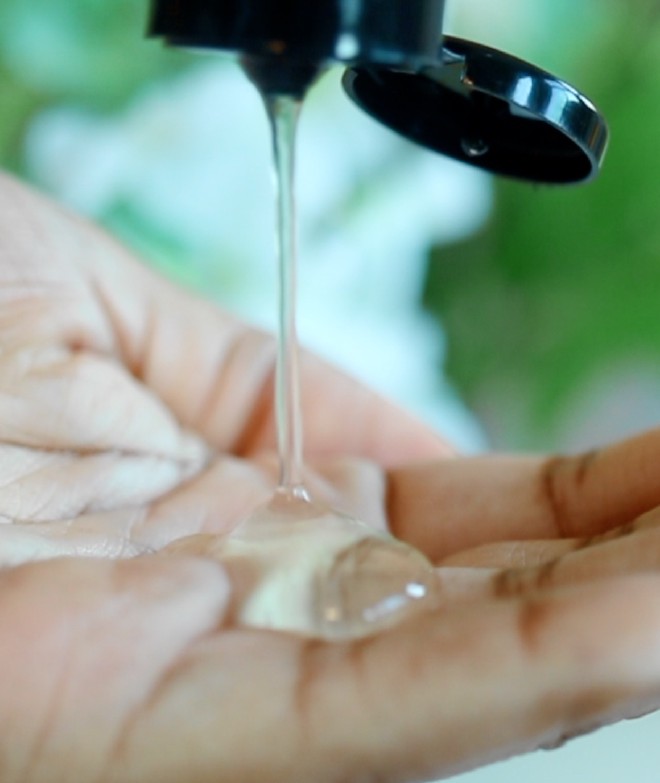
Choosing a liquid shampoo may seem simple, but the right formula can make a noticeable difference to your hair and scalp. A shampoo that works well for one person may leave someone else’s hair dry, greasy, flat, or difficult to manage. This is because hair needs vary according to texture, scalp condition, chemical treatments, and everyday exposure to heat, pollution, and styling products.
When people ask, “How Do You Choose the Right Liquid Shampoo for Your Hair Type?” the answer begins with understanding both your scalp and your hair lengths. Shampoo is primarily designed to cleanse the scalp, but its ingredients also affect the condition of the hair strands.
Understand Your Hair Type Before Choosing Shampoo
Your hair type is one of the most important factors when selecting a liquid shampoo. Hair can be straight, wavy, curly, coily, fine, thick, dry, oily, colour-treated, or chemically processed. Many people also have a combination of concerns, such as an oily scalp with dry ends.
Instead of choosing a shampoo based only on fragrance or packaging, look for a formula that addresses your specific needs. For example, a rich moisturising shampoo may be useful for dry curls but may feel too heavy for fine, oily hair.
Identify Your Scalp Type
Your scalp can be oily, dry, sensitive, flaky, or balanced. Since shampoo is applied mainly to the scalp, understanding its condition helps you select the right cleansing level.
An oily scalp may need a shampoo that removes excess oil without making the scalp feel tight. A dry or sensitive scalp may need a mild formula that cleanses gently and avoids harsh ingredients. If you experience persistent itching, redness, or flakes, it is advisable to consult a dermatologist rather than repeatedly changing products.
Choosing Liquid Shampoo for Oily Hair
Oily hair often looks flat or greasy soon after washing. This can happen when the scalp produces excess sebum, which is the natural oil that protects the skin and hair.
Look for liquid shampoos labelled as clarifying, balancing, lightweight, or suitable for oily scalps. These formulas are usually designed to remove oil, sweat, and product build-up effectively. However, avoid using strong clarifying shampoos every day, as over-cleansing may cause dryness and encourage the scalp to produce more oil.
Ingredients to Consider for Oily Hair
For oily hair, lighter formulations with ingredients such as tea tree oil, salicylic acid, citrus extracts, or gentle cleansing agents may be useful. These can help reduce build-up and leave the scalp feeling fresh.
Avoid applying conditioner directly to the roots if your scalp becomes oily quickly. Apply it only to the mid-lengths and ends of your hair.
Choosing Liquid Shampoo for Dry or Damaged Hair
Dry hair can feel rough, dull, tangled, or brittle. It may result from heat styling, colouring, bleaching, frequent washing, hard water, or lack of moisture. A moisturising liquid shampoo can help cleanse the hair while reducing the feeling of dryness.
Look for terms such as hydrating, nourishing, moisturising, or repair on the label. These shampoos often contain conditioning ingredients that help the hair feel softer after washing.
Helpful Ingredients for Dry Hair
Ingredients such as glycerin, aloe vera, shea butter, coconut oil, argan oil, ceramides, and proteins may support dry or damaged hair. However, very heavy oil-based formulas may not suit fine hair, even if it is dry.
Use lukewarm water instead of hot water when washing dry hair. Hot water can remove natural oils and make dryness more noticeable.
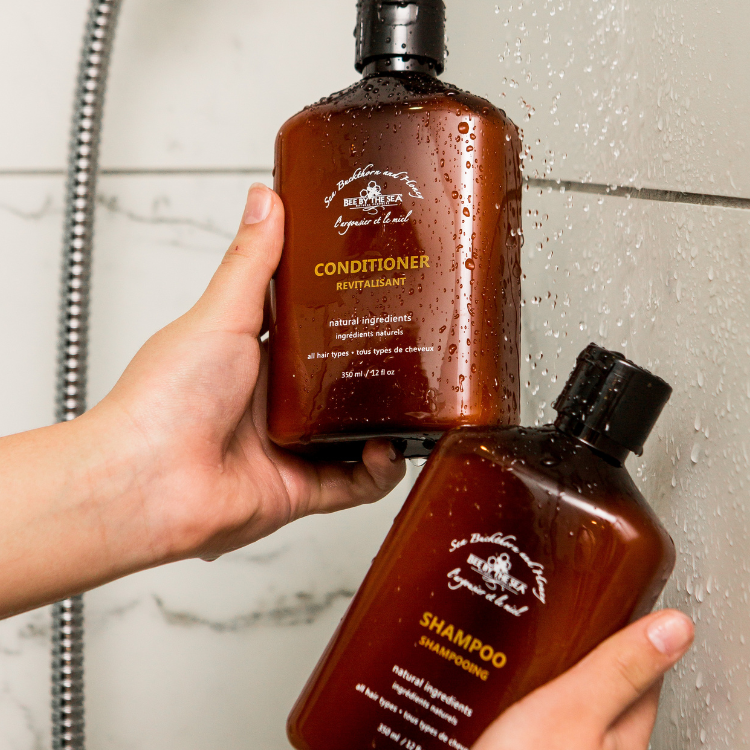
Choosing Liquid Shampoo for Fine or Thin Hair
Fine hair can become limp when weighed down by rich creams, oils, or heavy conditioning ingredients. If your hair lacks volume, choose a lightweight liquid shampoo designed for fine or limp hair.
Volumising shampoos can help remove excess oil and residue that make hair look flat. They usually provide a cleaner feel without leaving a heavy coating on the strands.
Avoid Overloading Fine Hair
Avoid using large amounts of shampoo, conditioner, leave-in products, or hair oils at one time. Even a suitable product can make fine hair look greasy if used excessively. Focus on cleansing the scalp and use a small amount of conditioner only on the ends.
Choosing Liquid Shampoo for Curly or Wavy Hair
Curly and wavy hair tends to be drier because natural scalp oils do not travel as easily down the bends and turns of the hair strand. These hair types often benefit from gentle, moisturising shampoos that do not leave the hair feeling stripped.
Look for formulas that are sulphate-free or made for curls, especially if your hair feels dry after washing. A gentle shampoo can help maintain softness and improve manageability.
Focus on Moisture and Gentle Cleansing
Curly hair may not need daily shampooing. Washing too often can reduce moisture and increase frizz. Depending on your scalp condition and lifestyle, washing two or three times a week may be enough.
Use a wide-tooth comb or your fingers to detangle hair gently after applying conditioner.
Choosing Liquid Shampoo for Colour-Treated Hair
Colour-treated hair needs extra care because chemical treatments can make strands more porous and prone to dryness. Choose a liquid shampoo made for coloured or chemically treated hair.
These shampoos are generally formulated to cleanse gently and help maintain the appearance of hair colour for longer. Avoid strong clarifying shampoos unless you need them occasionally to remove build-up.
Check the Product Label Carefully
Look for colour-safe or colour-protecting shampoos. If your hair has been bleached or heavily processed, use a moisturising formula and add a suitable conditioner or hair mask to your routine.
Read Ingredients and Observe Results
A good shampoo should leave your scalp clean and comfortable without making your hair excessively dry, greasy, itchy, or heavy. The most expensive product is not always the right choice. What matters is whether the formula suits your scalp and hair type.
Try a shampoo consistently for a few washes before deciding if it works for you. If you notice irritation, persistent flakes, unusual hair fall, or scalp discomfort, discontinue use and seek professional advice.
Conclusion
The right liquid shampoo should match your scalp condition, hair texture, and individual concerns. Oily hair may need a lightweight cleansing formula, while dry or curly hair may benefit from added moisture. Fine hair often responds well to volumising shampoos, while colour-treated hair needs gentle cleansing support.
By checking your hair type, reading ingredient labels, and observing how your scalp responds, you can choose a liquid shampoo that supports a healthier and more comfortable hair-care routine.