

Extremely dry skin can feel tight, rough, itchy, and uncomfortable. It may also appear flaky, dull, or uneven, especially on the legs, elbows, knees, hands, and feet. While dry skin can occur at any time of the year, it often becomes more noticeable during winter, after long hot showers, or when skin is exposed to harsh soaps and dry indoor air.
If you are wondering, “Which Body Cream Is Best for Extremely Dry Skin? Guide,” the answer depends on the ingredients, texture, and your skin’s specific needs. A suitable body cream should help restore moisture, support the skin barrier, and reduce the feeling of roughness without causing irritation.
Why Does Skin Become Extremely Dry?
The outer layer of the skin acts as a protective barrier. It helps retain moisture and shields the body from environmental irritants. When this barrier is weakened, water escapes from the skin more easily, leading to dryness.
Several factors can contribute to extremely dry skin, including:
- Cold or low-humidity weather
- Frequent hot showers or baths
- Harsh soaps and body washes
- Chlorinated water
- Ageing skin
- Skin conditions such as eczema or psoriasis
- Certain medicines or medical conditions
- Regular exposure to detergents and cleaning products
Dryness is not always a serious concern, but it should not be ignored if it causes persistent itching, cracking, redness, or bleeding.
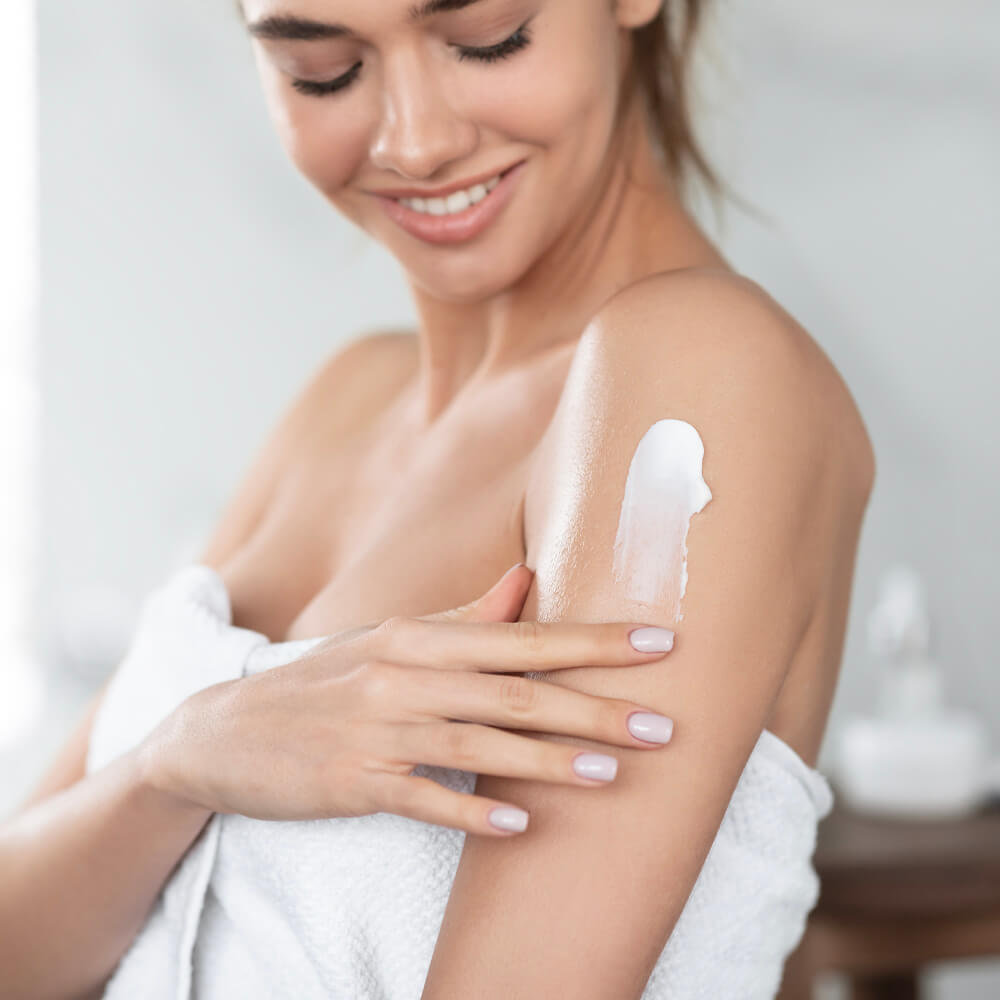
What Makes a Body Cream Suitable for Extremely Dry Skin?
A body cream for extremely dry skin should provide more than temporary softness. It should contain ingredients that attract water into the skin, reduce moisture loss, and soften rough areas.
In general, creams are thicker than lotions and are often a better option for very dry skin. Their richer texture can provide longer-lasting moisture, particularly when used after bathing.
Humectants That Draw Moisture Into the Skin
Humectants are ingredients that attract and hold water. They can help improve the skin’s moisture level and reduce the dry, tight feeling that often follows cleansing.
Common humectants include:
- Glycerin
- Hyaluronic acid
- Urea
- Aloe vera
- Lactic acid
Glycerin is widely used in body creams because it helps retain moisture without making the skin feel overly greasy. Urea and lactic acid may also be helpful for rough, flaky skin, especially on the feet, elbows, and knees. However, they may sting if the skin is cracked or irritated.
Emollients That Soften Rough Skin
Emollients help fill small gaps between skin cells, making the skin feel smoother and softer. They are especially useful when dry skin feels rough to the touch.
Look for ingredients such as:
- Shea butter
- Cocoa butter
- Squalane
- Ceramides
- Fatty acids
- Natural plant oils
Ceramides are particularly useful because they are naturally found in the skin barrier. A body cream containing ceramides can help support the skin’s ability to retain moisture over time.
Occlusives That Help Prevent Moisture Loss
Occlusive ingredients form a protective layer on the skin to slow down water loss. They are often included in creams designed for very dry or sensitive skin.
Examples include petroleum jelly, dimethicone, mineral oil, beeswax, and lanolin. These ingredients are useful for areas that become very dry, such as hands, heels, elbows, and knees.
For very dry skin, applying an occlusive-rich cream at night can be particularly helpful. You can apply it after bathing or before bed, when the skin has time to absorb and retain moisture.
Choose Fragrance-Free Formulas for Sensitive Skin
Fragranced body creams may smell pleasant, but added fragrance can irritate sensitive or very dry skin. This is especially important if your skin is itchy, red, or prone to rashes.
Choose products labelled fragrance-free rather than unscented where possible. Unscented products may still contain fragrance ingredients used to mask the smell of other components.
Avoid Ingredients That May Increase Dryness
Some ingredients can be unsuitable for very dry or reactive skin, particularly when used frequently. These may include high amounts of alcohol, strong fragrance, essential oils, and harsh exfoliating acids.
A mild, simple formula is often more suitable than a heavily fragranced product with many active ingredients. If you are trying a new body cream, test it on a small patch of skin first.
How to Apply Body Cream for Better Results
The timing and method of application can affect how well a body cream works. The best time to apply body cream is within a few minutes after bathing, while the skin is still slightly damp.
Pat your skin gently with a towel instead of rubbing it completely dry. Then apply the cream over your body, paying extra attention to dry areas such as elbows, knees, shins, hands, and feet.
Build a Simple Daily Routine
For extremely dry skin, consistency matters more than using many products. A simple routine may include:
- Use a gentle body wash and avoid very hot water.
- Pat the skin dry after bathing.
- Apply a rich body cream while the skin is slightly damp.
- Reapply to hands after washing them.
- Use a thicker balm or ointment on very rough areas at night.
During colder months, you may need to apply body cream twice a day. Keeping a small tube near your sink, desk, or bedside table can make regular use easier.
When Should You See a Dermatologist?
A body cream can help manage ordinary dryness, but it may not be enough if you have a skin condition. Speak with a dermatologist if your skin remains itchy, painful, cracked, inflamed, or infected despite regular moisturising.
You should also seek advice if dryness appears suddenly, spreads quickly, or affects your sleep and daily comfort. A dermatologist can identify whether eczema, psoriasis, contact dermatitis, or another condition is contributing to the problem.
Conclusion
The right body cream for extremely dry skin should contain moisture-supporting ingredients such as glycerin, ceramides, shea butter, urea, or petroleum jelly. A rich, fragrance-free cream applied to slightly damp skin can help reduce tightness, flaking, and rough texture.
Choose a formula that suits your skin’s sensitivity and use it consistently. With gentle cleansing, regular moisturising, and medical advice when needed, extremely dry skin can become more comfortable and easier to manage.