
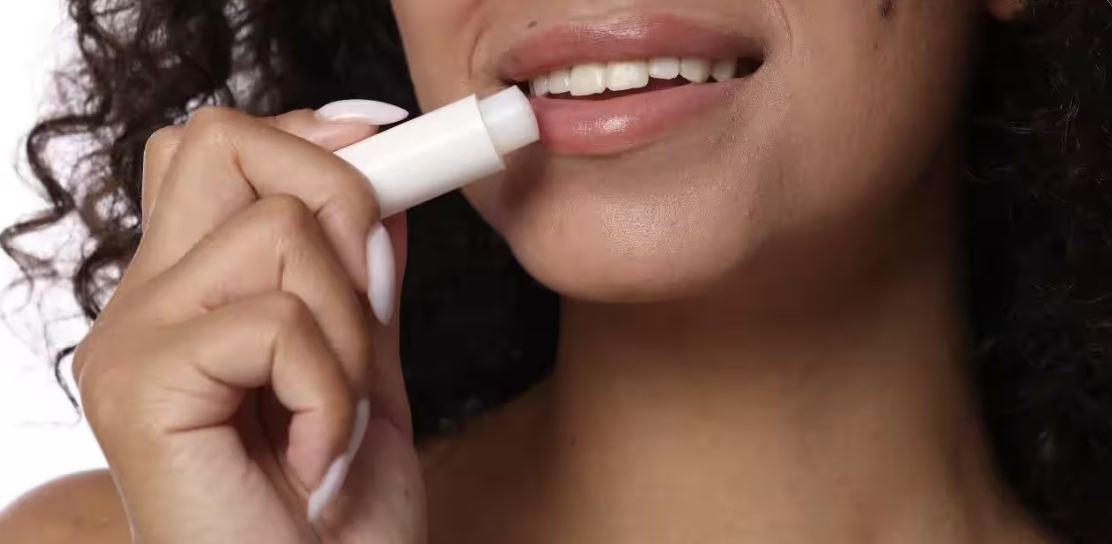
Healthy lips need regular care, just like the rest of your skin. However, because the skin on the lips is thinner and has fewer oil glands than much of the surrounding facial skin, it can lose moisture easily. Cold weather, sun exposure, dehydration, and certain cosmetic products can contribute to dryness, flaking, and irritation. Establishing a consistent lip care routine helps protect the lips, maintain moisture, and improve their overall appearance.
Understanding how to build a lip care routine does not require a large collection of products. A few carefully selected essentials, used consistently, can help keep your lips comfortable and smooth throughout the year. From choosing the right lip balm to incorporating sun protection, the following guide explains how to create a practical routine for everyday use.
Why Is a Daily Lip Care Routine Important?
The lips have a delicate protective barrier that can become compromised by environmental exposure and frequent moisture loss. Unlike other areas of the skin, they do not have sebaceous glands to provide natural oil. This makes regular moisturising particularly important.
A suitable lip care routine can help reduce dryness, protect against environmental stress, and prevent the discomfort associated with chapped lips. It can also create a smoother surface for lipstick and other lip products.
Consistency is more important than using numerous products. Gentle cleansing, regular moisturising, and protection from sunlight form the foundation of effective lip care.
Step 1: Clean Your Lips Gently
Lip care begins with removing lipstick, gloss, and other product residue without irritating the delicate skin.
Use a gentle makeup remover or a soft, damp cotton pad to remove lip products. Avoid rubbing the lips aggressively, as friction can worsen dryness and cause small cracks.
After cleansing, pat the area dry with a soft towel. Do not lick your lips to provide temporary moisture. Saliva evaporates quickly and can leave the lips feeling even drier.
Choose Gentle Lip Cleansing Products
Select fragrance-free products when your lips are sensitive or prone to irritation. Avoid harsh cleansers and products that leave a strong tingling sensation, as these may contain ingredients that irritate the skin.
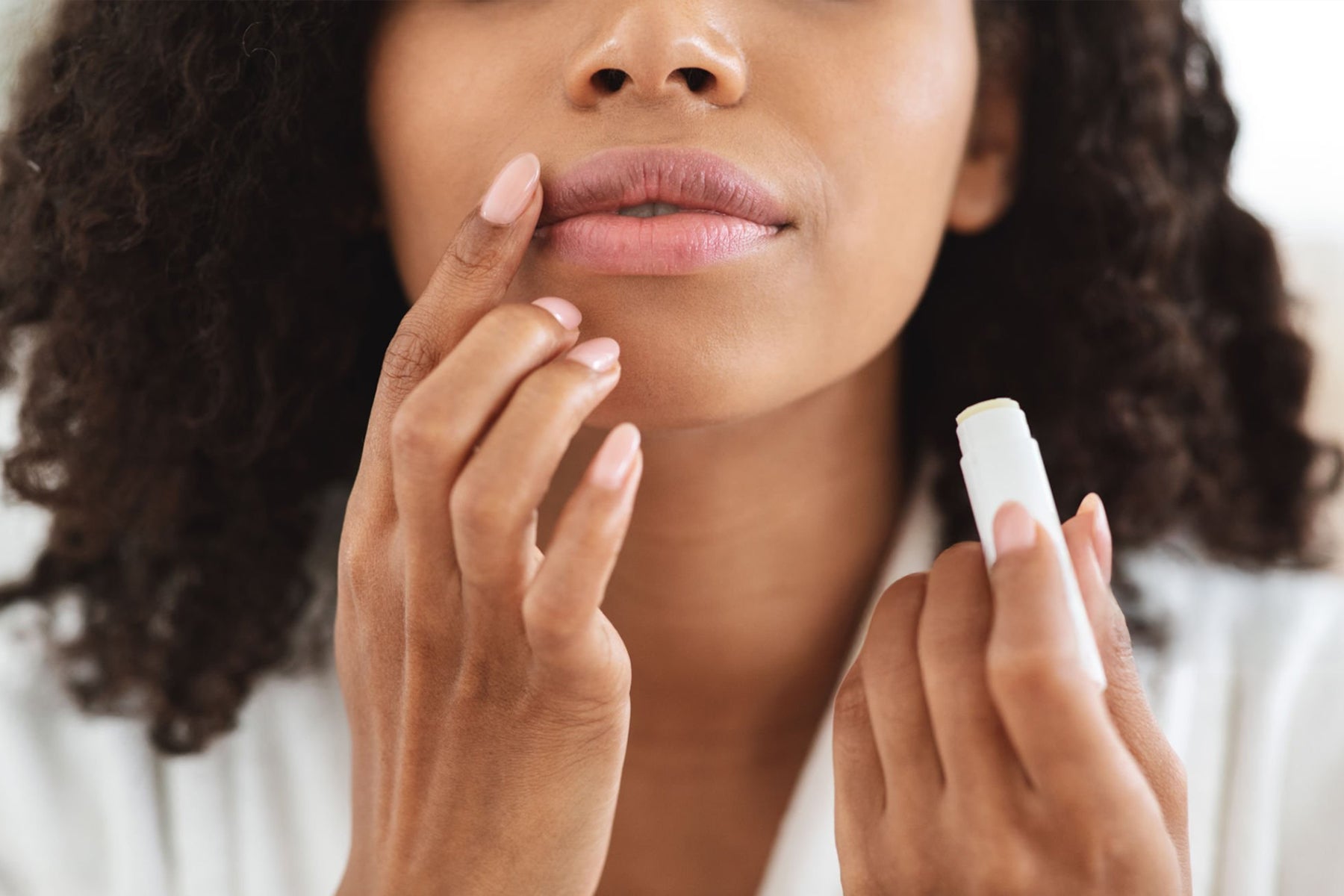
Step 2: Exfoliate Only When Necessary
Exfoliation may help remove loose flakes and improve the appearance of rough lips. However, the lip surface is delicate, so excessive exfoliation can cause irritation, redness, and further dryness.
Rather than exfoliating every day, focus on moisturising first. If your lips are comfortable and have only minor surface flaking, you can gently wipe away loosened skin with a soft, damp cloth.
Avoid Harsh Lip Scrubs
Coarse sugar scrubs, abrasive brushes, and vigorous rubbing can damage the lip barrier. Never pull or peel off dry skin, as this may cause bleeding and delay healing. If your lips are cracked, inflamed, or painful, skip exfoliation until they recover.
Step 3: Apply a Moisturising Lip Balm
Lip balm is one of the most important products in a daily lip care routine. It helps reduce moisture loss and protects the lips from drying environmental conditions.
Look for ingredients such as petrolatum, shea butter, ceramides, or mineral oil. These ingredients help soften the lips and support the protective barrier. Products containing suitable emollients can also improve comfort by reducing roughness.
Apply lip balm several times throughout the day, especially after eating, drinking, or washing your face. Reapply whenever your lips begin to feel dry.
Choose a Balm for Your Lip Concerns
For very dry or cracked lips, choose a simple, fragrance-free ointment or balm with occlusive ingredients. If you prefer a lightweight texture, a moisturising balm may be more comfortable for frequent daytime application.
Avoid products containing camphor, menthol, strong fragrances, or flavouring agents if they cause stinging or irritation.
Step 4: Protect Your Lips From the Sun
Sun protection is an essential part of lip care because the lips are exposed to ultraviolet radiation throughout the year. Prolonged exposure can contribute to sun damage and increase the risk of certain lip conditions.
Choose a broad-spectrum lip balm with SPF 30 or higher. Apply it before going outdoors and reapply at least every two hours, as well as after eating, drinking, or swimming.
Remember that cloudy weather does not eliminate UV exposure. Make sun-protective lip balm part of your regular morning routine, whether you are commuting, travelling, or spending time outside.
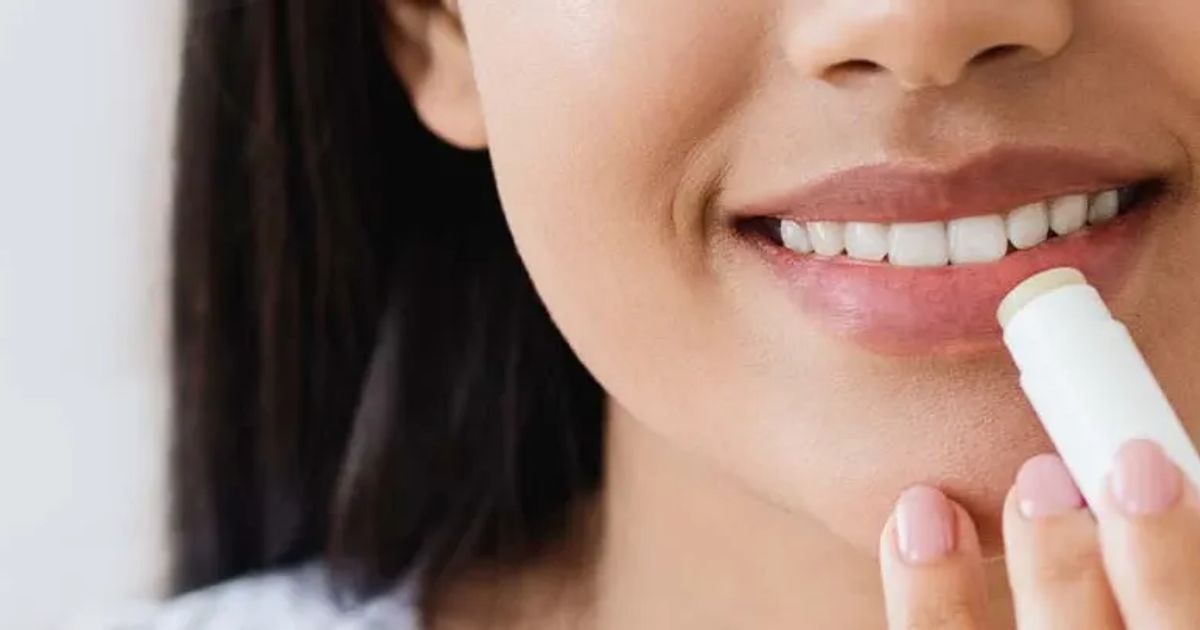
Step 5: Follow an Overnight Lip Care Routine
Nighttime is a convenient opportunity to give your lips additional moisture. After removing lipstick and other products, apply a generous layer of a bland, fragrance-free ointment.
Ingredients such as petrolatum can help seal in moisture and reduce water loss while you sleep. This is particularly useful in air-conditioned rooms or during colder months when lips may become drier.
Avoid sleeping with long-wearing lip products if they leave your lips uncomfortable or flaky. Instead, prioritise simple moisturising products that help maintain the skin barrier.
Step 6: Support Lip Health With Everyday Habits
Products work best when combined with habits that minimise irritation and moisture loss.
- Drink enough water to maintain normal hydration.
- Avoid repeatedly licking, biting, or picking your lips.
- Use a humidifier if indoor air is consistently dry.
- Remove lipstick gently before bedtime.
- Check whether a new toothpaste or cosmetic product causes irritation.
If dryness continues despite consistent care, consider whether an ingredient in your lip products, toothpaste, or skincare routine could be responsible.
Conclusion
Learning how to build a lip care routine is about protecting the delicate skin of your lips with simple, consistent habits. Gentle cleansing, limited exfoliation, regular moisturising, daily SPF protection, and overnight care can help reduce dryness and maintain softer lips.
Choose products according to your needs, avoid ingredients that trigger irritation, and adjust your routine when the weather changes. If your lips remain persistently cracked, painful, swollen, or develop a sore that does not heal, consult a healthcare professional to identify the underlying cause and receive appropriate treatment.