
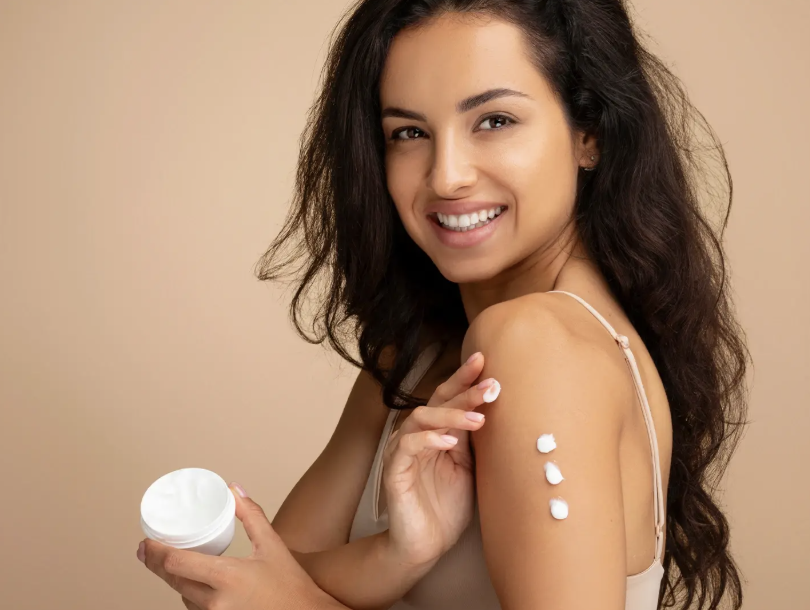
Keeping your skin soft, smooth and hydrated requires a consistent body care routine. Daily exposure to sunlight, changing weather, air conditioning and frequent bathing can contribute to skin dryness. While regular body lotions provide everyday moisture, body butter offers a richer alternative for people who need additional nourishment and hydration.
Body butter is a thick, creamy skincare product formulated with moisturising ingredients that help soften the skin and reduce moisture loss. It is particularly useful for dry areas such as elbows, knees, heels and hands. However, knowing how to apply it correctly can make a difference in the results you achieve.
Understanding How to Use Body Butter Easy Steps for Soft, Hydrated Skin can help you make this product an effective part of your daily skincare routine. From choosing the right formula to applying it at the right time, a few simple practices can help maintain comfortable, moisturised skin.
What Is Body Butter?
Body butter is a rich moisturising product designed to nourish and soften the skin. It generally contains ingredients such as shea butter, cocoa butter, coconut oil, jojoba oil and other emollients.
Unlike lightweight body lotions, body butter has a thicker consistency and often provides a more substantial moisturising layer. It helps reduce moisture loss and keeps the skin feeling soft for longer.
Body butter is particularly suitable for people with dry or rough skin. However, individuals with normal or combination skin can also use it on areas that require additional moisture.
How to Use Body Butter: Easy Steps for Soft, Hydrated Skin
Using body butter is simple, but following the correct application steps can help improve its effectiveness. Here is how to include it in your regular body care routine.
Step 1: Cleanse Your Skin Properly
Begin by taking a shower or bath using a gentle body wash. Cleansing helps remove sweat, dirt, excess oil and other impurities that accumulate on the skin throughout the day.
Avoid using excessively hot water because it can strip away natural oils and contribute to dryness. Instead, choose lukewarm water to help maintain your skin’s natural moisture balance.
Once you finish bathing, gently pat your skin with a clean towel.
Step 2: Apply Body Butter to Slightly Damp Skin
One of the best times to apply body butter is immediately after bathing, while your skin is still slightly damp.
Applying moisturiser at this stage helps retain moisture on the skin’s surface. Take a small amount of body butter and warm it between your palms until it becomes easier to spread.
Apply it evenly across your arms, legs, shoulders and other areas that need hydration.
Step 3: Massage Gently Until Absorbed
Use gentle circular movements to massage the product into your skin. Pay particular attention to areas that commonly become dry, including elbows, knees, ankles and heels.
Avoid applying excessive pressure while massaging. Allow the product to settle naturally rather than repeatedly rubbing the same area.
If your skin feels particularly dry, you can apply a slightly thicker layer to the affected areas.
Step 4: Focus on Extra-Dry Areas
Certain parts of the body need more moisture than others. Elbows, knees, heels and hands often become rough because of frequent movement, friction and environmental exposure.
Apply an additional layer of body butter to these areas before bedtime. This helps maintain softness and provides extra moisturising care while you sleep.
For very dry heels, you can apply body butter and wear comfortable cotton socks overnight.
Step 5: Allow Time for Absorption
Body butter has a richer consistency than regular lotion, so it may take slightly longer to absorb.
Give your skin a few minutes before putting on clothes. This allows the product to settle and helps prevent excess transfer onto fabrics.
For everyday use, start with a small quantity and increase it according to your skin’s moisture requirements.

What Are the Benefits of Using Body Butter?
Adding body butter to your skincare routine offers several benefits.
- Provides Deep Moisturisation
Body butter contains rich moisturising ingredients that help soften dry skin and reduce moisture loss. Regular application can help maintain smoother and more comfortable skin.
- Improves Skin Softness
Ingredients such as shea butter and cocoa butter help condition rough areas. With consistent use, skin can feel softer and smoother.
- Helps Protect the Skin’s Moisture Barrier
The emollients and occlusive ingredients found in many body butter formulations help support the skin barrier by reducing water loss.
- Supports Dry Skin Care
Body butter is particularly useful during colder months or in environments where dry air contributes to moisture loss. It can also provide additional care for naturally dry areas.
How Often Should You Use Body Butter?
Body butter can generally be used once or twice daily, depending on your skin type and the product formulation.
For dry skin, applying it after bathing in the morning and before bedtime can help maintain moisture. For normal skin, once daily or whenever additional hydration is needed may be sufficient.
If you have oily or acne-prone skin, consider using a lighter formulation or applying body butter only to dry areas. Check the product label and discontinue use if irritation develops.
Conclusion
Body butter is a useful addition to a skincare routine, particularly for people who experience dryness, roughness or moisture loss. Its rich formulation helps soften the skin, improve hydration and support the skin’s natural moisture barrier.
By cleansing gently, applying body butter to slightly damp skin and paying extra attention to dry areas, you can make the most of its moisturising benefits. Choose a formula that suits your skin type and use it consistently to maintain soft, smooth and comfortable skin throughout the year.