
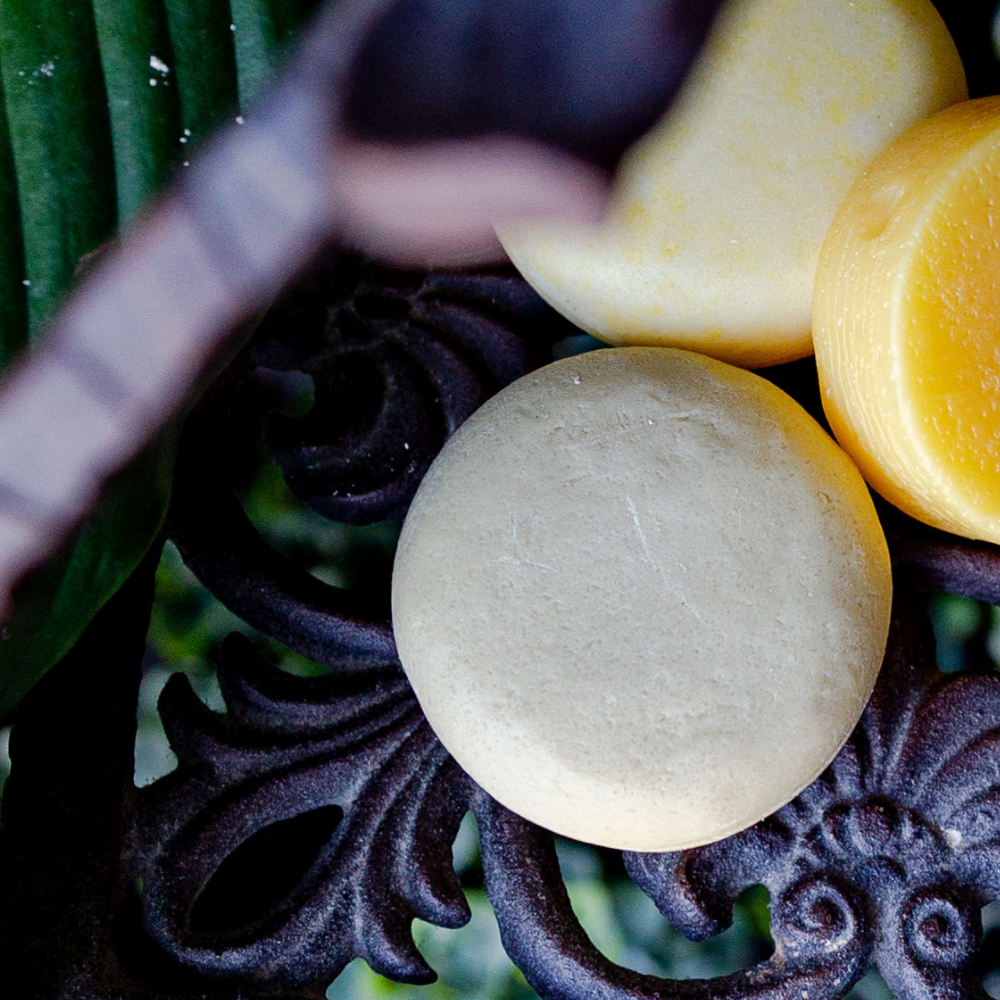
Shampoo bars are increasingly replacing bottled shampoos in many households. Their eco-friendly packaging and concentrated formulas appeal to those seeking alternatives to traditional liquid shampoos. But despite their rising popularity, one common question remains: How often should you use a shampoo bar.
This guide answers that question by examining how hair type, scalp condition, lifestyle, and environmental factors can influence your shampooing frequency. It also outlines proper usage techniques and the signs that your hair might need a break or a bit more attention.
Understanding Shampoo Bars
Before diving into usage frequency, it’s important to understand what shampoo bars are and how they differ from liquid shampoos.
What Is a Shampoo Bar?
A shampoo bar is a solid version of shampoo made without the plastic bottle. Most are formulated with oils, butters, surfactants, and natural extracts. Despite their compact form, shampoo bars are just as effective at cleansing your scalp and hair.
Benefits of Using Shampoo Bars
- They typically last longer than bottled shampoo.
- Many are free of synthetic preservatives.
- They reduce plastic waste and are easy to travel with.
- Less water is required in their production and formulation.
These benefits make shampoo bars an attractive option—but that doesn’t mean they suit everyone’s needs or that they should be used daily.

Factors That Affect Shampoo Bar Usage Frequency
1. Hair Type
The texture and condition of your hair play a significant role in determining how often to use a shampoo bar.
Straight or Fine Hair
Fine hair tends to become oily quickly because oil travels down the hair shaft more easily. If you have straight or fine hair, using a shampoo bar every 2–3 days may be appropriate.
Wavy Hair
Those with wavy hair can usually go a bit longer between washes. Washing every 3–4 days is often enough, as over-washing can disrupt the wave pattern and lead to frizz.
Curly and Coily Hair
Curly and coily hair tends to be drier because it takes longer for oils to move from the scalp to the ends. Washing once a week or even once every 10 days may be ideal, depending on your specific needs.
2. Scalp Condition
Your scalp health also influences how frequently you should wash your hair with a shampoo bar.
Oily Scalp
An oily scalp often requires more frequent cleansing. However, washing too often can cause the scalp to produce even more oil in response. In this case, using a shampoo bar 2–3 times a week may provide balance.
Dry or Sensitive Scalp
For a dry or sensitive scalp, limit usage to once or twice a week. Look for shampoo bars formulated with gentle, moisturizing ingredients like aloe vera or shea butter.
3. Lifestyle and Activity Level
Your daily activities affect how often you need to wash your hair. If you:
- Exercise regularly
- Work outdoors
- Live in a humid or polluted environment
…then your hair is exposed to sweat, dirt, and pollutants more often. In these cases, you might need to use a shampoo bar more frequently—up to 3–4 times a week.
4. Hair Treatments and Styling Products
If you use styling products, hair sprays, or heat treatments often, you may need to wash your hair more frequently to remove product buildup. A clarifying shampoo bar can be used once a week alongside a gentler shampoo bar during other washes.
How to Use a Shampoo Bar Effectively
Proper use of a shampoo bar ensures that you’re getting the most benefit without causing buildup or irritation.
Step-by-Step Application
- Wet your hair thoroughly. Shampoo bars work best on fully soaked hair.
- Lather the bar in your hands or rub it directly on your scalp in a circular motion.
- Massage the scalp gently using your fingertips, not your nails.
- Rinse thoroughly to remove all traces of product.
- Follow up with a conditioner bar or a rinse suited to your hair type.
Tips for Avoiding Residue
Some people experience a waxy feeling after using a shampoo bar. This is often due to hard water or product buildup.
- Try rinsing with diluted apple cider vinegar once a week to remove buildup.
- Make sure you’re rinsing thoroughly.
- Avoid using too much of the product at once.
Signs You’re Washing Too Often
Too much washing—even with a mild shampoo bar—can lead to problems. Here’s what to look out for:
- Itchy or flaky scalp that feels tight or irritated
- Dull or brittle hair that breaks easily
- Increased oiliness due to your scalp overproducing oil to compensate
- Loss of curl definition or texture
If you notice any of these signs, try reducing how often you use your shampoo bar and incorporate more hydrating products into your routine.
Can You Use a Shampoo Bar Daily?
In most cases, using a shampoo bar daily is not recommended. Unlike some mild liquid shampoos, solid bars often have concentrated formulas. Daily use can strip natural oils, especially if your hair is already dry or textured.
Exceptions may include very oily scalps or people exposed to excessive dirt or sweat daily. Even then, consider alternating with a co-wash or water-only rinse between shampoo bar uses.
Transition Period: What to Expect
If you’re switching from liquid shampoo to a shampoo bar, your hair might go through an adjustment period. During this time, your scalp recalibrates its oil production. You might experience:
- Greasiness or heaviness
- Waxy or sticky residue
- Itchy scalp
This phase usually lasts 1–3 weeks. Stick with your routine, and don’t increase washing frequency unless absolutely necessary.
Final Thoughts
So, how often should you use a shampoo bar The answer depends on your hair type, scalp condition, lifestyle, and product formulation. Most people find that 2–3 times a week is sufficient. Others especially those with curly or dry hair may do better with just one weekly wash.
Listen to your hair’s needs and make gradual adjustments. Over time, you’ll develop a routine that keeps your scalp clean and your hair healthy.