

Winter brings crisp air, cozy layers, and unfortunately, dry skin. As temperatures drop and humidity levels fall, your skin loses moisture faster, leading to tightness, flakiness, and irritation. One of the most effective ways to maintain a healthy, radiant complexion during the colder months is to keep skin hydrated this winter with nourishing face oil. This article explores the benefits of face oils, how to choose the right one, and a step-by-step winter skincare routine to protect and nourish your skin.
Why Skin Needs Extra Care in Winter
During winter, cold winds, indoor heating, and dry air strip the skin of its natural moisture. This can lead to:
- Dry patches and rough texture
- Redness and irritation
- Premature aging, such as fine lines appearing more prominent
- Dull complexion, as the skin’s natural glow diminishes
Traditional moisturizers often provide temporary hydration, but incorporating a nourishing face oil can lock in moisture, restore your skin barrier, and enhance overall skin health.
Benefits of Using Nourishing Face Oil in Winter
Nourishing face oils are concentrated blends of natural oils that replenish essential fatty acids and vitamins your skin needs. Here’s why you should include them in your winter skincare routine:
Deep Hydration and Moisture Retention
Face oils penetrate deeply into the skin, preventing water loss and providing long-lasting hydration. Oils like jojoba, argan, and rosehip mimic the skin’s natural oils, making them ideal for all skin types, including sensitive or combination skin.
Strengthens the Skin Barrier
The cold season weakens the skin’s natural protective barrier. Nourishing face oils help restore lipid balance, keeping the skin resilient against harsh environmental factors.
Improves Skin Texture and Tone
Regular use of face oil can smooth rough patches, reduce flakiness, and even out skin tone. Antioxidant-rich oils also protect against environmental damage, leaving your skin soft and radiant.
Enhances Skincare Absorption
Applying face oil after serums or moisturizers can enhance the absorption of other skincare products, maximizing their effectiveness.
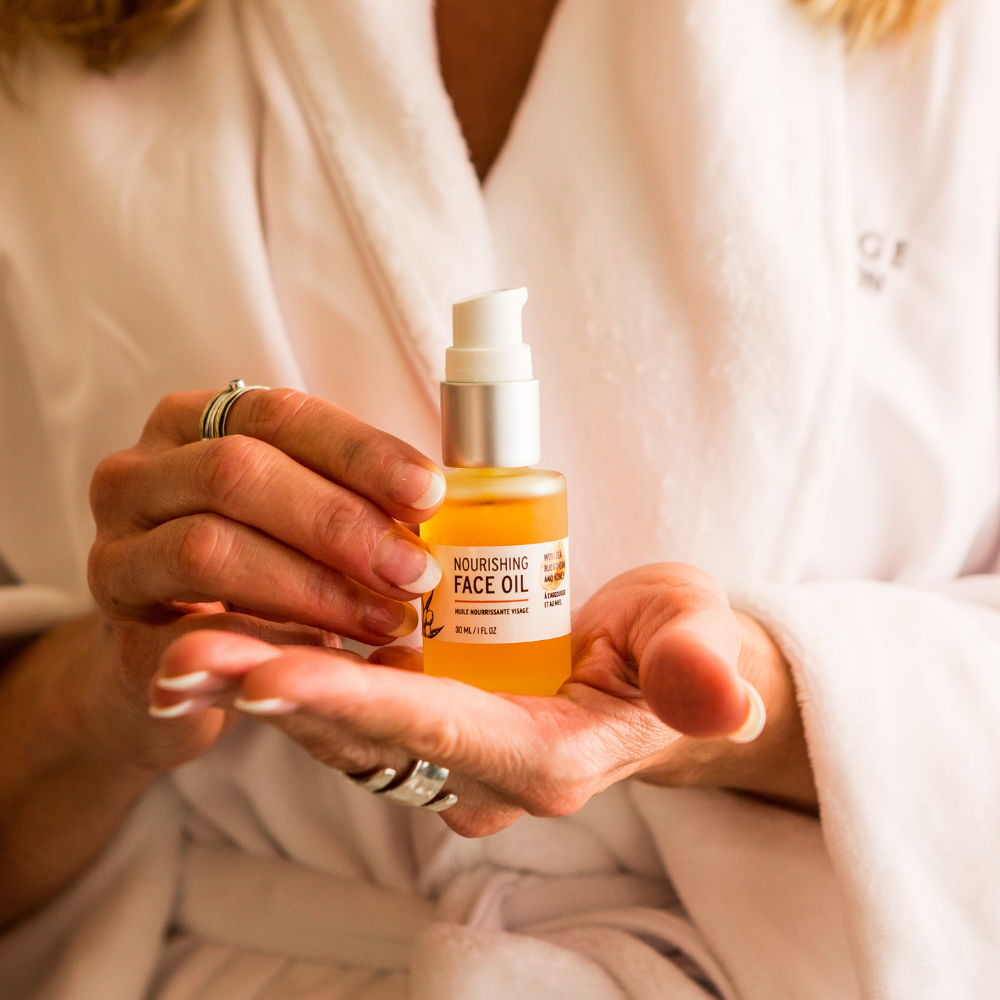
Choosing the Right Face Oil for Winter
Not all face oils are created equal. Consider your skin type and specific needs when selecting a nourishing face oil:
- Dry skin: Look for richer oils like marula, avocado, or coconut oil for intense hydration.
- Oily or acne-prone skin: Lighter oils such as jojoba or grapeseed help balance sebum without clogging pores.
- Sensitive skin: Oils like calendula, chamomile, or sunflower are gentle and soothing.
- Combination skin: Blend lightweight and heavier oils to address dry and oily areas separately.
How to Use Face Oil in Your Winter Skincare Routine
Integrating face oil into your routine correctly ensures maximum benefits. Follow this step-by-step guide:
Step 1 – Cleanse Gently
Start with a gentle cleanser that removes impurities without stripping your skin. Avoid harsh soaps, which can worsen dryness.
Step 2 – Apply Toner
Use an alcohol-free toner to balance your skin’s pH and prepare it to absorb the oil effectively.
Step 3 – Layer Serum
If you use a serum, apply it before your face oil. Serums provide targeted benefits like anti-aging, brightening, or hydration.
Step 4 – Massage in Face Oil
Take a few drops of nourishing face oil and gently press it into your skin using upward motions. Focus on dry areas and avoid tugging. The oil locks in moisture and strengthens your skin barrier.
Step 5 – Finish with Moisturizer (Optional)
For extremely dry skin, you can layer a moisturizer over your face oil to create a protective barrier that seals in hydration throughout the day or night.
Additional Tips to Keep Skin Hydrated in Winter
While nourishing face oil is essential, combining it with other skincare practices enhances results:
- Humidifiers: Add moisture to indoor air to prevent skin from drying out.
- Hydration: Drink plenty of water and herbal teas to support skin hydration from within.
- Gentle exfoliation: Remove dead skin cells once or twice a week to allow better absorption of oils and moisturizers.
- Sun protection: Even in winter, UV rays can damage skin, so apply SPF daily.
Common Myths About Face Oils
Many people hesitate to use face oils in winter due to misconceptions. Let’s clarify:
- Myth 1: Oils cause breakouts.
- Fact: Non-comedogenic oils like jojoba and argan are safe for acne-prone skin.
- Myth 2: Oils replace moisturizers.
- Fact: Oils complement moisturizers but do not replace them entirely, especially for very dry skin.
- Myth 3: Oils are only for dry skin.
- Fact: Oils balance sebum and can benefit all skin types, including oily and combination skin.
Conclusion
Winter doesn’t have to mean dry, uncomfortable skin. By choosing the right nourishing face oil and following a consistent skincare routine, you can keep skin hydrated this winter with nourishing face oil, maintain a healthy glow, and prevent common winter skin issues. Layering oils with gentle cleansing, hydration, and protection ensures your skin stays soft, supple, and resilient throughout the season.