

Skin polishing is a popular skincare technique used to improve skin texture, remove dead cells, and enhance natural brightness. While professional treatments are widely available, many people prefer performing skin polishing at home using simple tools and products. When done correctly, home skin polishing can be effective, affordable, and safe.explains how to do skin polishing at home step by step, along with benefits, precautions, and aftercare tips to help you achieve healthy-looking skin without causing damage.
What Is Skin Polishing?
Skin polishing is a gentle exfoliation process that removes dead skin cells from the surface of the skin. It helps unclog pores, improve blood circulation, and allow skincare products to absorb better.
Unlike harsh scrubs or chemical peels, skin polishing focuses on controlled exfoliation using mild abrasives or natural ingredients. When done in moderation, it can support smoother and clearer skin.
Benefits of Skin Polishing at Home
Performing skin polishing at home offers several advantages when done correctly.
Improves Skin Texture
Regular polishing removes dead skin buildup, making the skin feel softer and smoother.
Enhances Natural Glow
By eliminating dull surface cells, skin polishing helps reveal brighter skin underneath.
Helps Product Absorption
Clean, exfoliated skin absorbs moisturizers and serums more effectively.
Cost-Effective Skincare
Home skin polishing avoids expensive salon treatments while maintaining results.
Who Should Avoid Skin Polishing?
Skin polishing is not suitable for everyone. Avoid it if you have:
- Active acne or open wounds
- Severe sensitivity or eczema
- Sunburned or inflamed skin
If you are unsure, consult a dermatologist before starting any exfoliation routine.
How To Do Skin Polishing At Home: Step By Step Guide
Follow these steps carefully to ensure safe and effective skin polishing at home.
Step 1 – Cleanse Your Face Thoroughly
Start with a gentle cleanser suitable for your skin type. This removes dirt, oil, and makeup, allowing even exfoliation. Pat your skin dry with a clean towel.
Step 2 – Steam Your Face (Optional)
Steaming opens pores and softens dead skin cells. Use warm steam for 5–7 minutes. Avoid steaming if you have sensitive skin or rosacea.
Step 3 – Apply a Mild Exfoliant
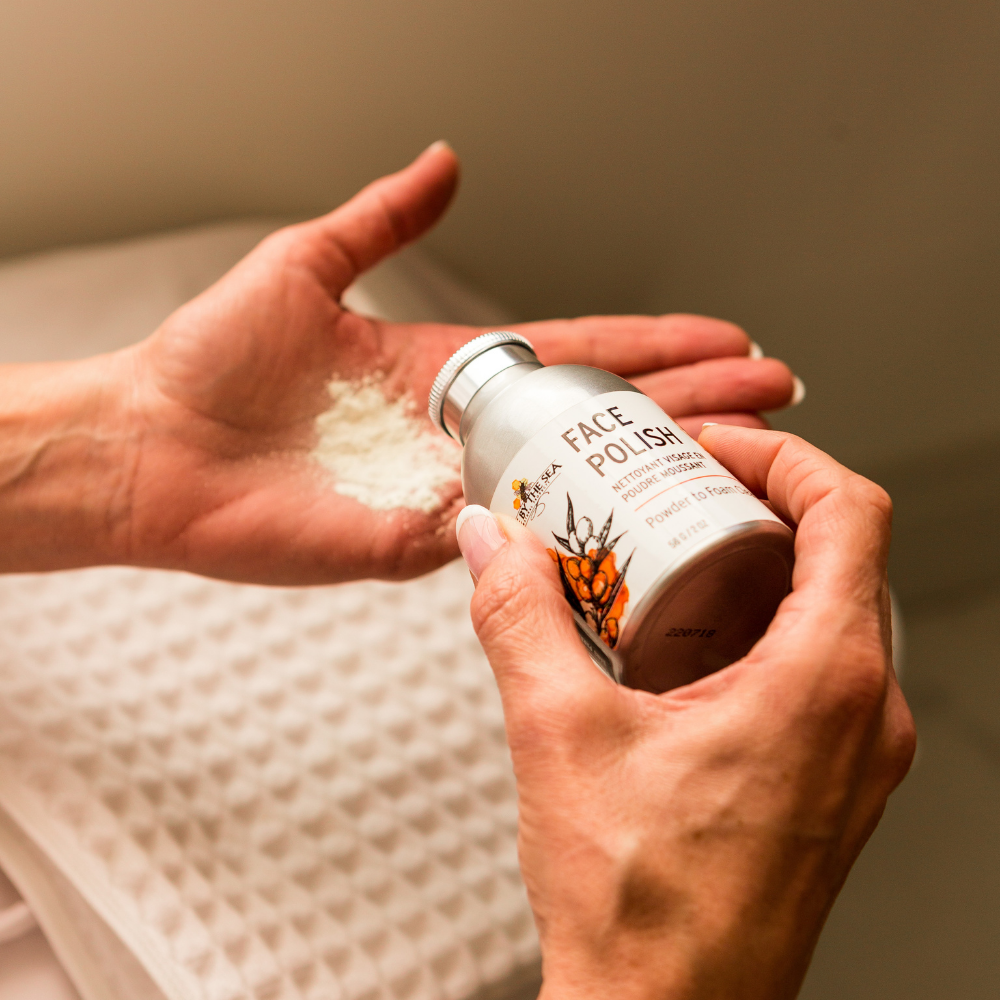
Use a gentle scrub or a natural exfoliant such as rice flour mixed with milk or oatmeal powder with rose water. Apply evenly and avoid the eye area.
Step 4 – Massage in Circular Motions
Massage the exfoliant gently using upward, circular motions for 1–2 minutes. Do not apply pressure. Over-exfoliation can damage the skin barrier.
Step 5 – Rinse with Lukewarm Water
Wash off the exfoliant completely using lukewarm water. Ensure no residue remains on the skin.
Step 6 – Apply a Soothing Mask
Apply a calming face mask, such as aloe vera gel or a cucumber-based mask. This helps reduce redness and hydrates the skin.
Step 7 – Moisturize and Protect
Finish with a lightweight moisturizer. If you are stepping out during the day, apply sunscreen to protect freshly exfoliated skin.
Post Skin Polishing Care Tips
Proper aftercare is essential to maintain results and avoid irritation.
Avoid Sun Exposure
Freshly polished skin is more sensitive to sunlight. Always use sunscreen.
Skip Harsh Products
Avoid retinol, acids, or alcohol-based products for at least 24 hours.
Stay Hydrated
Drink enough water to support skin recovery and hydration.
How Often Should You Do Skin Polishing at Home?
- Normal to oily skin: Once every 2–3 weeks
- Dry or sensitive skin: Once a month
Overdoing skin polishing can cause redness, breakouts, and sensitivity.
Final Thoughts
Understanding how to do skin polishing at home step by step allows you to maintain healthy and smooth skin without professional treatments. When performed gently and occasionally, skin polishing can improve texture and brightness while supporting overall skin health. Always prioritize skin safety, use mild products, and follow proper aftercare to achieve consistent results.