
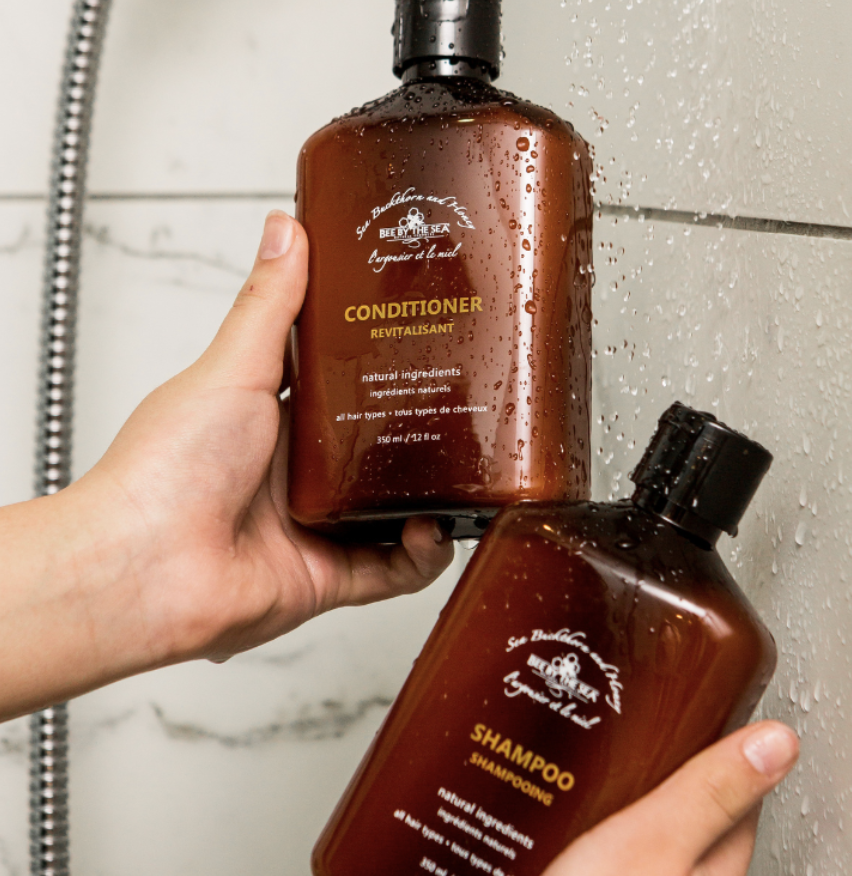
Healthy hair is not achieved by shampoo alone. While cleansing removes dirt and excess oil, conditioning restores moisture, smooths strands, and improves manageability. Understanding how to choose and apply conditioner correctly can significantly improve your hair’s texture and appearance.serves as Choosing and Using Hair Conditioner, helping you make informed decisions based on your hair type, concerns, and routine.
Why Hair Conditioner Is Essential
Conditioner plays a vital role in maintaining hair health. When you shampoo, the hair cuticle opens to remove buildup. Conditioner works by sealing the cuticle, locking in moisture and nutrients.
Key Benefits of Using Conditioner
- Restores moisture after washing
- Reduces frizz and dryness
- Improves softness and smoothness
- Minimizes tangling and breakage
- Enhances shine
Regular conditioning keeps hair manageable and protects it from environmental damage, heat styling, and chemical treatments.
Understanding Different Types of Hair Conditioners
Not all conditioners are the same. Choosing the right product depends on your specific hair needs.
Rinse-Out Conditioners
These are the most common types used after shampooing. They provide immediate moisture and are rinsed out within a few minutes.
Best for: Daily or regular use.
Leave-In Conditioners
Leave-in conditioners remain in the hair after washing. They provide ongoing hydration and protection throughout the day.
Best for: Dry, frizzy, or damaged hair.
Deep Conditioners
Deep conditioners are intensive treatments applied weekly or biweekly. They penetrate deeper into the hair shaft to repair damage.
Best for: Chemically treated, colored, or heat-damaged hair.
Protein Conditioners
Protein-based formulas strengthen weak strands by reinforcing the hair structure.
Best for: Hair prone to breakage or excessive shedding.
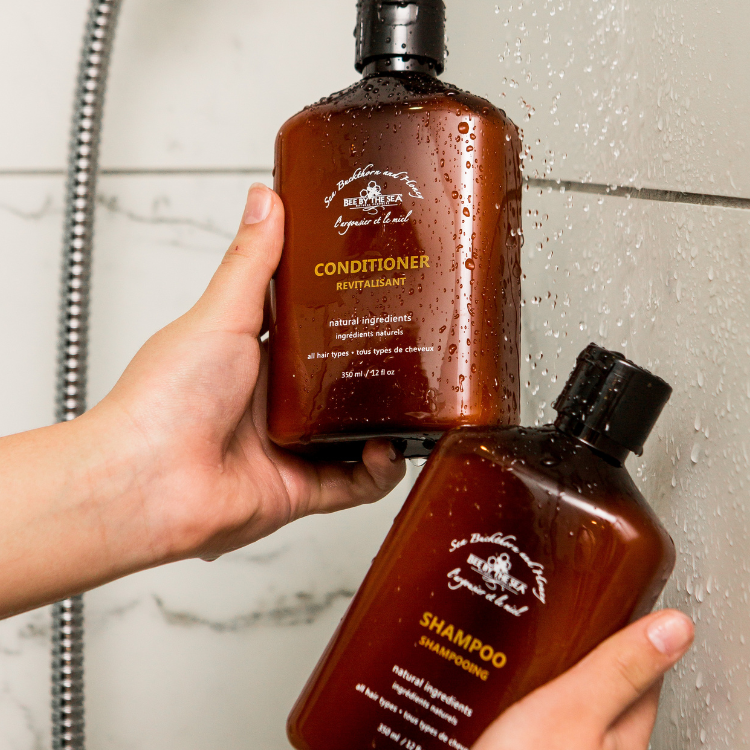
How to Choose the Right Conditioner for Your Hair Type
Selecting the appropriate conditioner is crucial for achieving the best results.
For Dry Hair
Look for conditioners with hydrating ingredients such as shea butter, argan oil, or glycerin. These help restore lost moisture and reduce brittleness.
For Oily Hair
Choose lightweight, balancing formulas that hydrate without adding heaviness. Avoid overly rich or creamy conditioners.
For Curly Hair
Curly hair requires extra moisture. Cream-based conditioners with nourishing oils help maintain definition and reduce frizz.
For Fine Hair
Volumizing or lightweight conditioners prevent flatness while maintaining softness.
For Color-Treated Hair
Select conditioners labeled safe for colored hair. These help preserve color vibrancy and prevent fading.
Understanding your hair type ensures you follow The Ultimate Guide to Choosing and Using Hair Conditioner effectively.
Proper Application Techniques
Using conditioner correctly is just as important as choosing the right one.
Step 1: Remove Excess Water
After shampooing, gently squeeze out excess water. Applying conditioner to overly wet hair can dilute the product.
Step 2: Apply to Mid-Lengths and Ends
Focus on the mid-lengths and ends, as these areas are typically drier and more damaged. Avoid applying conditioner directly to the scalp unless the product is specifically designed for it.
Step 3: Distribute Evenly
Use your fingers or a wide-tooth comb to spread the product evenly. This ensures consistent coverage.
Step 4: Allow Time to Absorb
Let the conditioner sit for two to five minutes. Deep conditioners may require longer.
Step 5: Rinse Thoroughly
Rinse with lukewarm or cool water to help seal the cuticle and enhance shine.
Common Mistakes to Avoid
Even high-quality products may not deliver results if used incorrectly.
Using Too Much Product
Excess conditioner can weigh down hair and cause buildup.
Applying on the Scalp
Unless specified, conditioner should not be applied to the roots, especially for oily hair types.
Skipping Conditioner
Some people skip conditioner to prevent greasiness, but this can lead to dryness and increased breakage.
Not Rinsing Properly
Residue left behind may cause dullness or irritation.
Avoiding these mistakes is essential when following The Ultimate Guide to Choosing and Using Hair Conditioner.
How Often Should You Condition?
Frequency depends on your hair type and routine:
- Normal hair: After every wash
- Dry or damaged hair: Every wash, plus weekly deep conditioning
- Oily hair: After each shampoo, using lightweight formulas
- Chemically treated hair: Regular conditioning with added treatments
Consistency is key for maintaining long-term hair health.
The Role of Ingredients in Hair Conditioners
Reading labels helps you choose wisely.
Moisturizing Ingredients
Look for natural oils, aloe vera, and panthenol for hydration.
Strengthening Ingredients
Proteins such as keratin and silk amino acids help reinforce strands.
Ingredients to Monitor
Avoid heavy silicones if your hair tends to build up quickly. Consider sulfate-free and paraben-free options if you have a sensitive scalp.
Building a Complete Hair Care Routine
Conditioner works best as part of a structured hair care routine:
- Gentle shampoo suited to your hair type
- Appropriate conditioner
- Weekly treatment mask
- Heat protectant before styling
- Minimal heat exposure
When combined with proper nutrition and hydration, these steps contribute to stronger, healthier hair over time.
Conclusion
Healthy hair requires consistent care and the right products. Conditioner is not optional; it is an essential part of maintaining moisture balance, strength, and shine.
By understanding your hair type, selecting suitable formulas, and applying them correctly, you can significantly improve your hair’s texture and resilience. This comprehensive article truly serves as and Using Hair Conditioner, equipping you with the knowledge to make informed choices and maintain beautiful, healthy hair for the long term.