
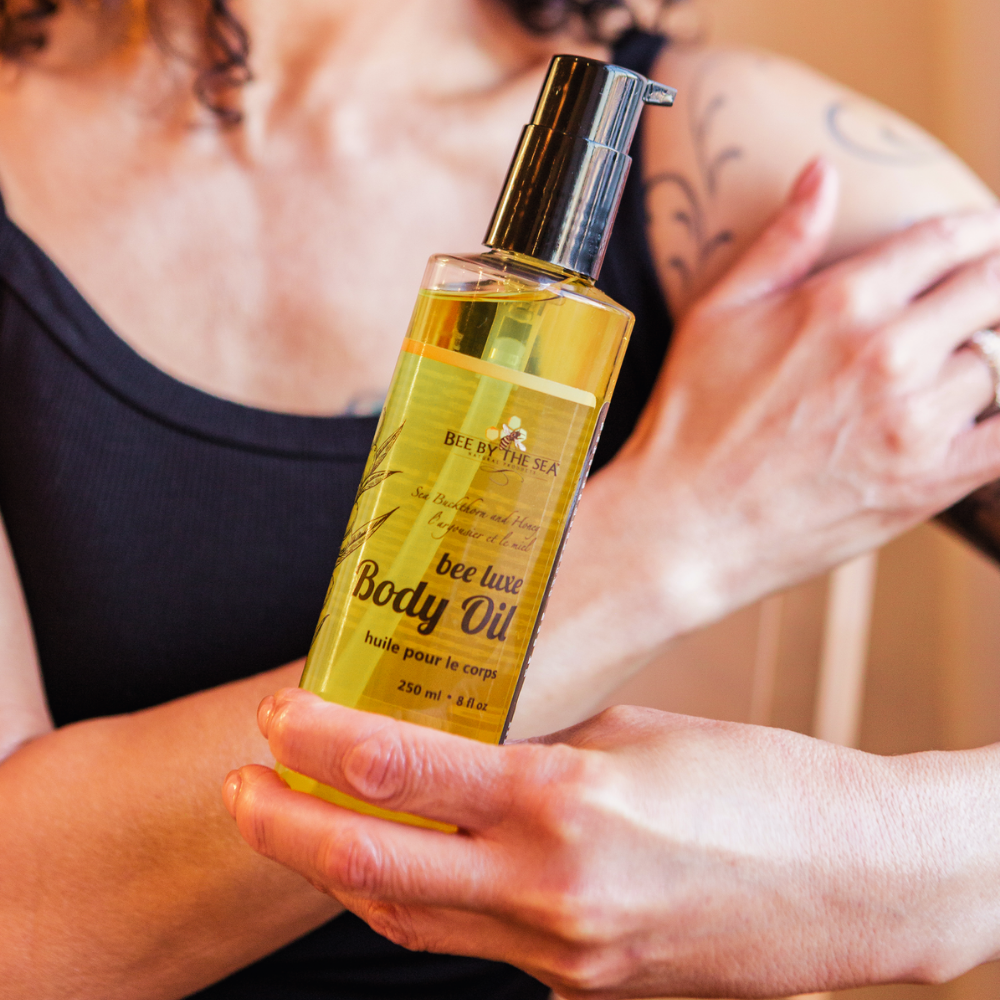
Soft, comfortable skin depends on more than occasional moisturising. Daily bathing, sun exposure, dry weather, air conditioning, and the use of harsh soaps can reduce the skin’s natural moisture and leave it feeling rough or tight. While body lotions and creams are common choices, body oil can also be a useful addition to a simple skincare routine.
If you are wondering, “How Can Luxe Body Oil Support Soft, Hydrated Skin?” it helps to understand how oils work on the skin. A body oil does not add water to the skin in the same way as a water-based moisturiser. Instead, it helps soften the skin and reduce the loss of moisture already present on its surface.
When used correctly, a luxe body oil can leave the skin feeling smoother, more comfortable, and better protected from everyday dryness.
What Is Body Oil and How Does It Work?
Body oil is a skincare product made with one or more oils, often combined with vitamins, plant extracts, or fragrance. It is applied to the body after bathing or whenever the skin feels dry.
The outer layer of the skin acts as a protective barrier. When this barrier is weakened, moisture can escape more easily. This can lead to dryness, flaking, rough texture, and discomfort. Body oils help form a light protective layer over the skin, reducing the amount of moisture that evaporates.
Body Oil Helps Seal in Existing Moisture
The best time to apply body oil is when the skin is still slightly damp after a shower or bath. Damp skin has water on its surface, and the oil helps seal in that moisture. This can make the skin feel more hydrated and supple than applying oil to completely dry skin.
For very dry skin, body oil can be layered over or under a moisturising body cream. A cream adds hydration-supporting ingredients, while the oil helps keep that moisture from escaping too quickly.
Ingredients Commonly Found in Luxe Body Oils
The effectiveness of a body oil depends on its overall formula. Different oils have different textures and may suit different skin types. Some oils feel light and absorb quickly, while others are richer and provide a longer-lasting protective feel.
Common ingredients in body oils include:
- Jojoba oil
- Sweet almond oil
- Coconut oil
- Argan oil
- Squalane
- Grapeseed oil
- Sunflower seed oil
- Vitamin E
- Shea oil
These ingredients can help soften the skin and improve the appearance of dry, rough areas. However, the right choice depends on how your skin responds.
Lightweight Oils for Daily Comfort
Oils such as jojoba, grapeseed, and squalane are often preferred by people who want a lighter texture. They can spread easily and may feel less heavy on the skin.
These options can work well for normal or combination skin, especially in warm or humid weather. Apply a small amount first and add more only if your skin needs it.
Richer Oils for Very Dry Areas
Coconut oil, almond oil, and shea-based oils can provide more intensive softness for dry areas such as elbows, knees, hands, feet, and shins. They may be useful during colder months or when the skin feels especially rough.
Richer oils can take longer to absorb, so it is often best to apply them at night or allow a few minutes before getting dressed.
How to Use Luxe Body Oil Effectively
Using too much body oil can leave skin feeling greasy and may transfer onto clothes or bedding. A small amount is usually enough when applied to damp skin.
After bathing, gently pat the body with a towel instead of rubbing it completely dry. Pour a few drops of body oil into your palms, warm it between your hands, and massage it over your arms, legs, torso, and other dry areas.
Apply It After Bathing
Applying body oil after a shower is one of the easiest ways to improve its effectiveness. Use it within a few minutes of drying off, when your skin is still slightly damp.
Focus on areas that are more prone to dryness, including:
- Elbows and knees
- Shins and calves
- Hands and cuticles
- Feet and heels
- Shoulders and upper arms
If you shave your legs, body oil may help reduce the dry feeling that can occur after shaving. However, avoid using it on broken or irritated skin.
Body Oil Compared With Body Lotion and Cream
Body oils, lotions, and creams can all support skin comfort, but they work in slightly different ways. Lotions are usually lighter and contain more water. They are useful for everyday moisturising, especially for normal skin.
Creams are thicker and often contain a combination of water, oils, and ingredients such as glycerin or ceramides. They are commonly preferred for dry skin because they provide both hydration and softness.
Body oil is mainly useful for softening skin and reducing moisture loss. It can be used on its own for normal skin or alongside a lotion or cream for very dry skin.
Layering Products for Extra Dry Skin
If your skin feels persistently dry, apply a body lotion or cream first and then use a small amount of body oil over it. This layering method can help provide moisture while also supporting the skin barrier.
Avoid applying too many products at once if your skin is sensitive. Introduce one new product at a time so you can identify what works well for you.
Consider Your Skin Type and Sensitivities
Most people can use body oil, but it is important to select a formula that suits your skin. If you have sensitive skin, look for a fragrance-free or lightly fragranced option. Added fragrance and essential oils can irritate some people, especially if the skin is dry, itchy, or reactive.
Those with acne-prone body skin may prefer lighter, non-comedogenic oils and should avoid applying heavy oil generously to areas prone to breakouts, such as the chest or back.
Patch Test Before Regular Use
Before using a new body oil over large areas, apply a small amount to the inner arm and wait for 24 hours. If you notice itching, redness, burning, or bumps, discontinue use.
This simple step is especially useful if you have allergies, eczema, or a history of skin sensitivity.
Additional Habits for Softer Skin
Body oil works best as part of a consistent routine. Avoid very hot showers, as they can remove natural oils from the skin. Use a gentle body cleanser and limit harsh scrubbing, particularly on already dry areas.
Drink water regularly and wear protective clothing when spending long periods in the sun or cold weather. These habits can help support overall skin comfort alongside topical moisturising.
Conclusion
A luxe body oil can support soft, hydrated skin by helping seal in moisture, smoothing rough texture, and reducing the feeling of dryness. It is most effective when applied to slightly damp skin after bathing and used consistently.
Choose an oil that suits your skin type, use a small amount, and combine it with a body cream if your skin needs extra moisture. With a gentle routine and regular care, body oil can become a practical part of maintaining smoother, more comfortable skin.